US lawmakers are pressing the Trump administration for answers about military strikes on suspected Venezuelan drug boats, following reports that a follow-up strike was ordered to kill survivors of an initial attack.
Republican-led committees overseeing the Pentagon have vowed to conduct 'vigorous oversight' into the US boat strikes in the Caribbean, following the report.
On Friday, The Washington Post reported that a US strike on a boat on September 2 left two survivors, but a second attack was carried out in compliance with Defense Secretary Pete Hegseth's orders to 'kill everybody' on board.
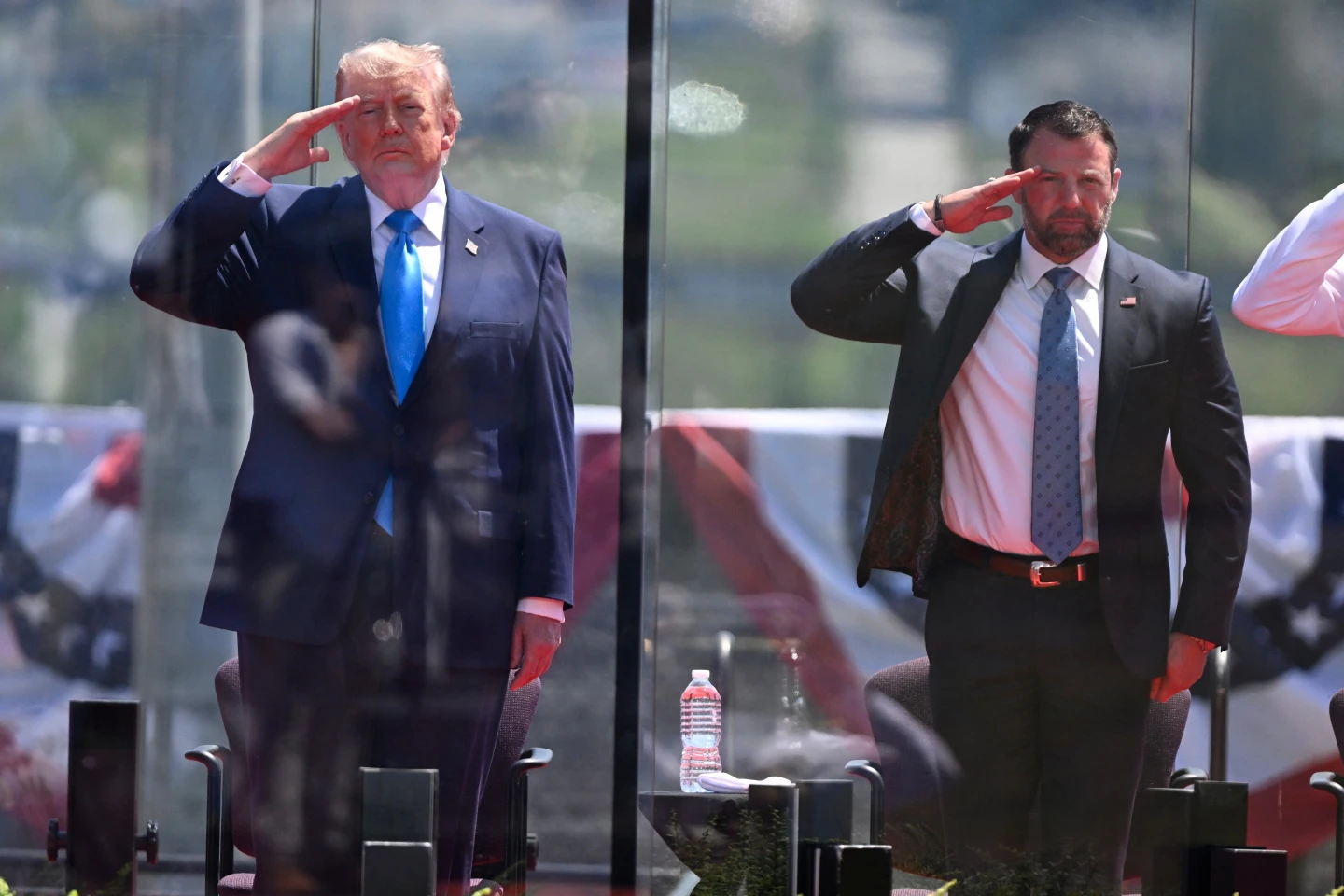
Hegseth decried the report as 'fake news' and President Donald Trump expressed his full support for Hegseth.
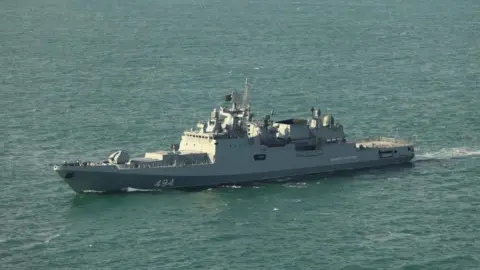
The US has expanded its military presence in the Caribbean and carried out a series of lethal strikes on suspected drug-smuggling boats in international waters off Venezuela and Colombia, framing the operation as a strategy against narcotics.
More than 80 individuals have reportedly been killed since early September. While the Trump administration asserts that it is acting in self-defense, legislators from both parties have now called for reviews of these strikes, citing potential legal issues surrounding the targeting of survivors.
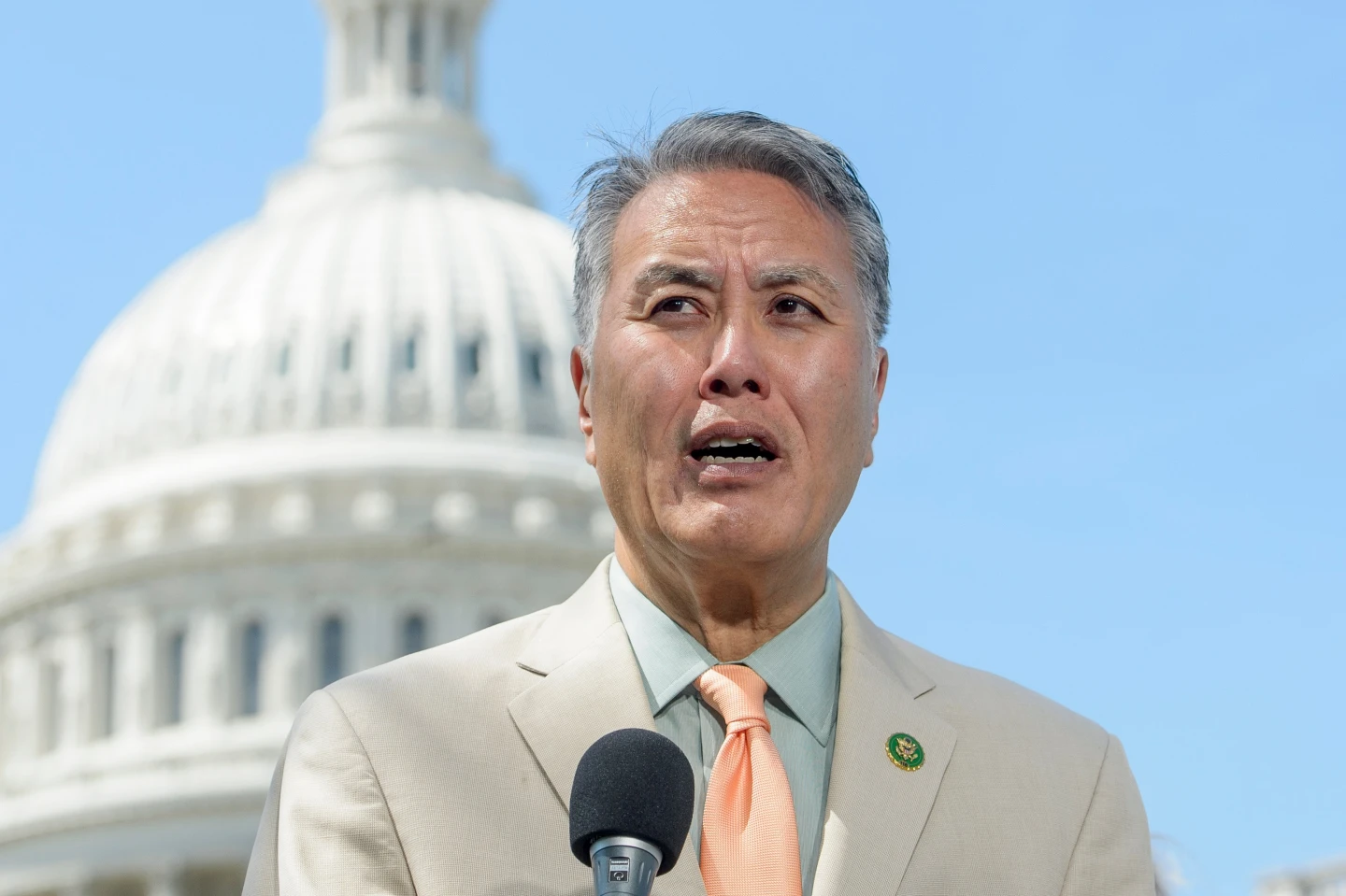
Senator Tim Kaine remarked, 'This rises to the level of a war crime if it's true.' Republican Mike Turner echoed concerns regarding the legality of the strikes, indicating that if survivors were indeed targeted, it would necessitate serious scrutiny.
As the controversy continues, Republican and Democratic leaders have joined forces in the Senate Armed Services Committee, promising to investigate the reported events thoroughly.
In response to the allegations, Hegseth asserted that the strikes were lawful, claiming that 'Every trafficker we kill is affiliated with a Designated Terrorist Organization'.
Meanwhile, Venezuela's National Assembly condemned the strikes and plans to conduct its own investigation into the accusations of a secondary attack that reportedly killed survivors.
The US is not a signatory to the United Nations Convention on the Law of the Sea, which limits military actions in international waters, yet asserts that its operations are compliant with the principles of the convention. Legal experts express caution, noting that non-lethal measures should typically be prioritized.