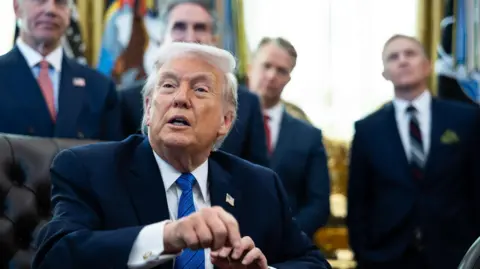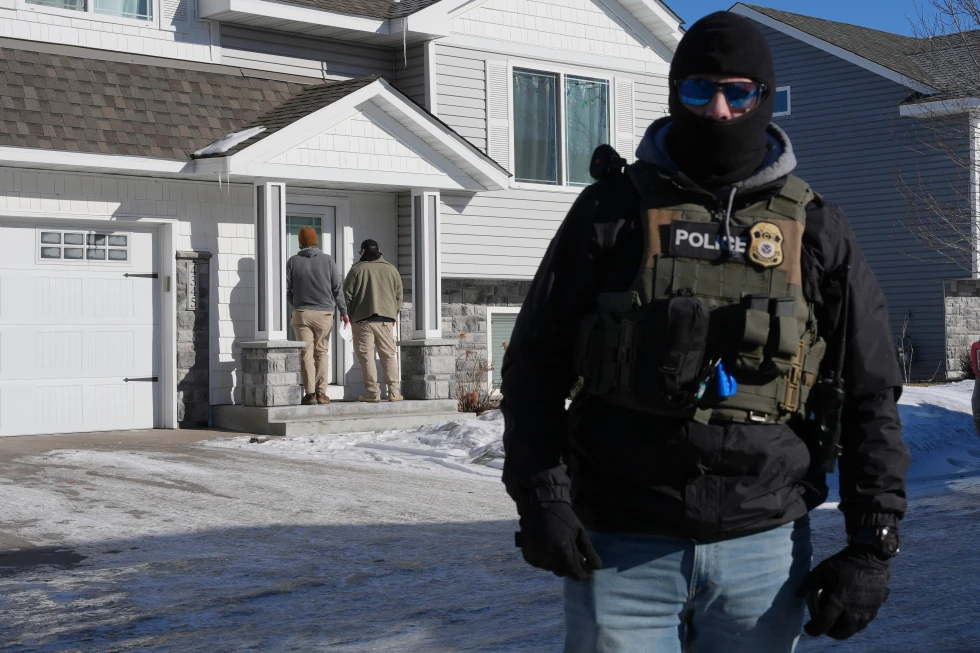
MINNEAPOLIS (AP) — President Donald Trump seemed to signal a willingness to ease tensions in Minneapolis after a second deadly shooting by federal immigration agents, but there was little evidence Wednesday of any significant changes after weeks of harsh rhetoric and clashes with protesters.
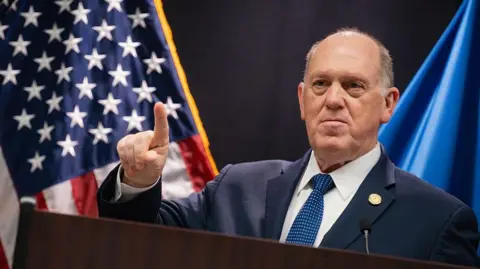
The strain was evident when Trump made a leadership change by sending his top border adviser to Minnesota to take charge of the immigration crackdown. That was followed by seemingly conciliatory remarks about the Democratic governor and mayor.
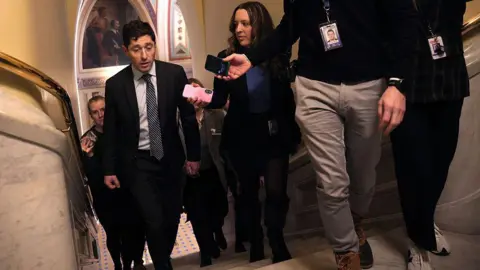
Trump stated he and Gov. Tim Walz, whom he had criticized for weeks, were on “a similar wavelength” following a phone call, and after a discussion with Mayor Jacob Frey, he praised their talks and claimed that “lots of progress is being made.”
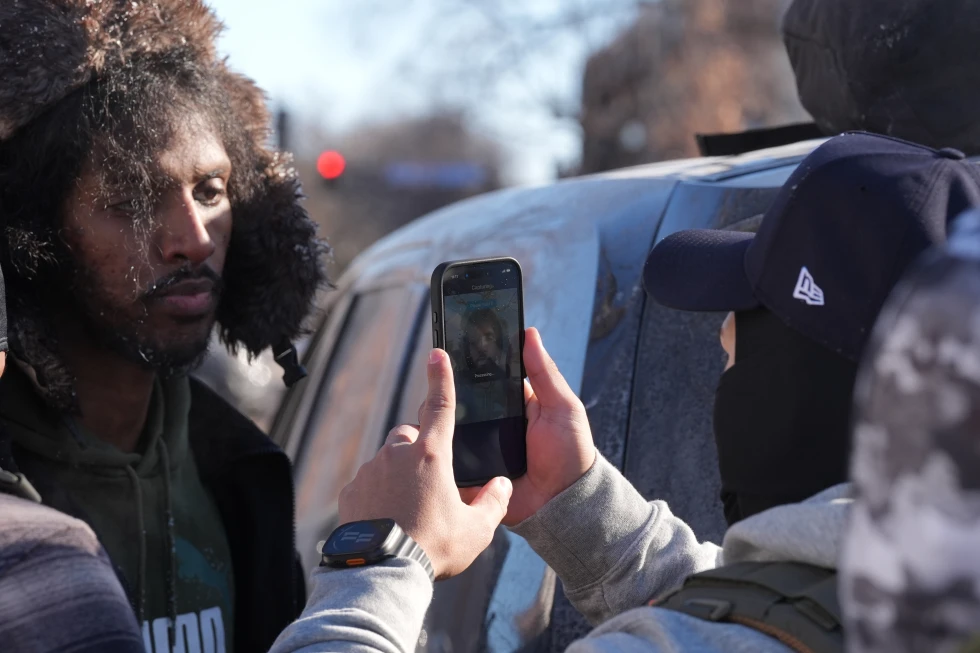
However, on the streets, there were scant indications of a shift. Immigration enforcement operations and conflicts with activists continued unabated on Wednesday in Minneapolis and St. Paul.
A group of protesters blew whistles and tracked federal officers in vehicles while the officers attempted to navigate the streets of north Minneapolis. Despite several maneuvers, the activists followed closely.
AP journalists present noted an escalation of government presence during enforcement actions, including reports of individuals being pepper-sprayed and detained, although clarity regarding their identities and statuses was lacking.
In a concerning incident, a man confronted Democratic Rep. Ilhan Omar during a town hall meeting, spraying her with an unidentified substance and was later arrested. This chaotic moment showcased the heightened tensions as Omar stated she was not intimidated in the face of these confrontations.
Notably, as debates ensued over the administration's immigration policies, federal courts prepared to address ongoing litigation challenging the crackdown, including issues around due process for immigrants facing such enforcement actions.
Despite Trump's public comments suggesting a desire for cooperation with local leaders, the ongoing resistance from activists and local communities indicates that the path to reconciliation and reduced tensions remains complex and fraught with challenges.