US Intensifies Sanctions on Cuban State Firms and Officials
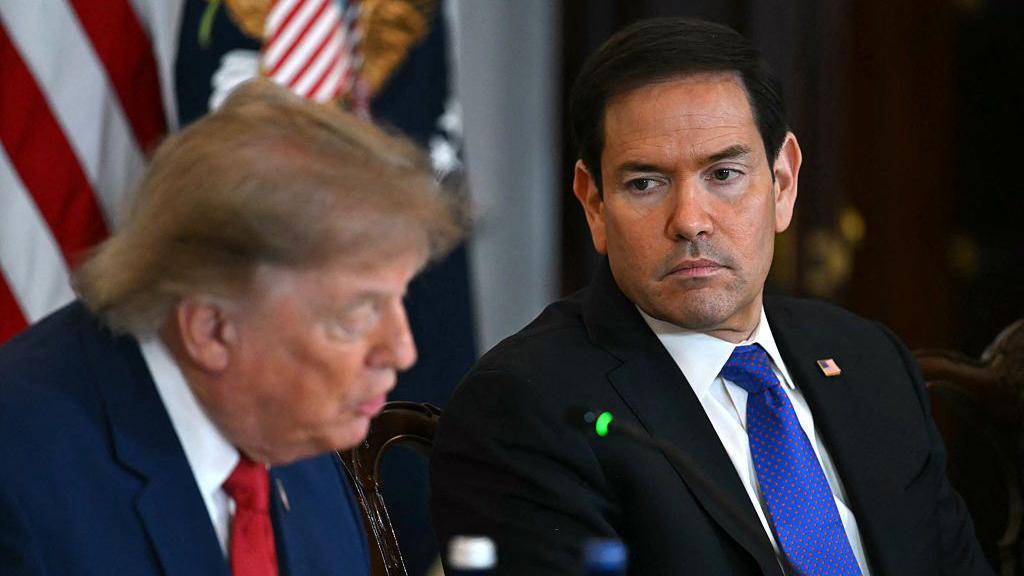
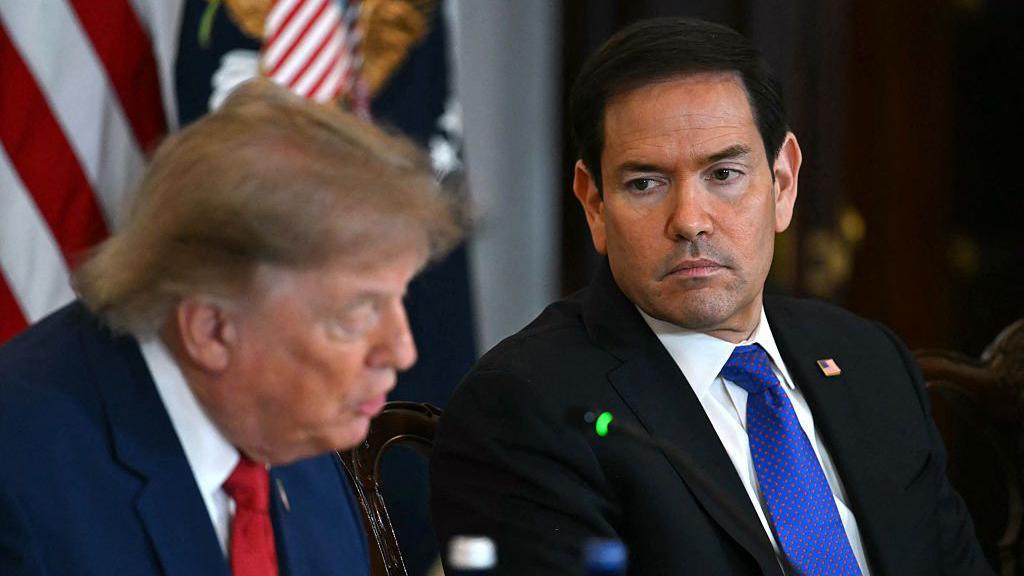
WASHINGTON — On 21 August, the United States rolled out a fresh round of sanctions aimed at nine Cuban state‑owned companies and senior officials, according to Secretary of State Marco Rubio. The new measures are announced as part of the US defence against what America calls “subversive anti‑American activity” and the export of “Marxism, racial resentment and Communist violence” from Havana.
Rubio’s statement singled out mining, metal, and building enterprises, the Ministry of Construction, and leaders connected to the Cuban Institute of Friendship with the Peoples (ICAP). The sanctions are timed with the 100th anniversary of former Cuban president Fidel Castro, a date during which Rubio alleged the regime is orchestrating international sympathizer networks in Havana.
In response, Cuban Minister of Foreign Affairs Bruno Rodríguez announced that the sanctions would “harm the economy” and prevent the government from offering basic services to its people, who already face severe shortages due to a US oil blockade that dates back to the beginning of the year. Hospitals are forced to operate on emergency generators, and power cuts have driven sporadic protests—rare in a country where dissent is heavily policed.
The newly sanctioned ICAP officials include its president, Fernando González Llort, known to be part of a “Cuban 5” spy ring that had exchanged prisoners during a thaw under the Obama administration. Those targeted in the latest round add to a growing list of Cuban entities already facing US restrictions, including companies in energy, finance and defence sectors.
Observers note that the sanctions may further cripple Cuba’s tourism engine, a vital source of income for the beleaguered nation. The US message is a clear stand against what it describes as the Cuban regime’s ongoing policy of repression and subversion.
By Will Grant, Cuba correspondent, and Harry Sekulich