Trump’s “Economic D‑Day” Intensifies Pressure on Iran
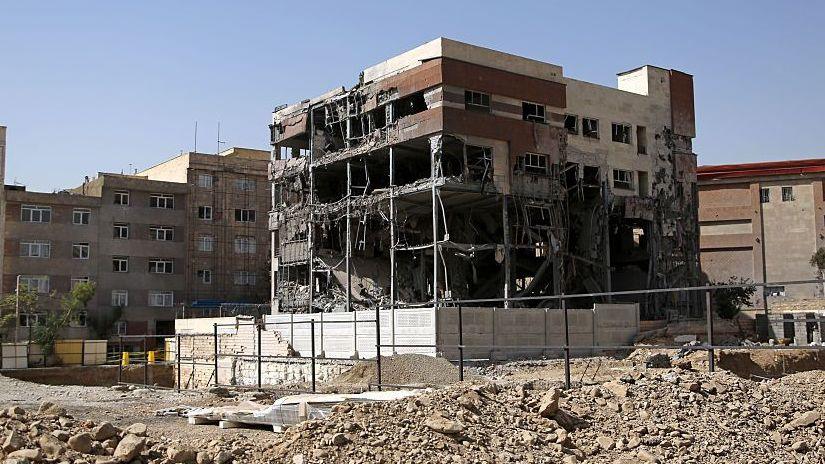
Nearly half a year after the former president’s pledge of a swift victory over Iran, the military stalemate has become apparent. In a last‑ditch effort to break the deadlock, Trump is threatening an “economic D‑Day” that would impose severe sanctions on any nation or company that maintains commercial ties with Tehran.
Treasury Secretary Scott Bessent announced that the Treasury will clarify the mechanics of these measures on a news conference slated for 24 August. In a CNBC interview, Bessent said the United States would target “friend or foe” if they are perceived as aiding Iran, stressing that “you are either with us or against us.”
Vice‑President JD Vance, speaking on the Clay Travis and Buck Sexton show, called the sanctions a “new phase” where economic pressure is seen as the most effective lever. “We’re going to keep that going because we think that’s the best way to ultimately achieve the final objective,” Vance added.
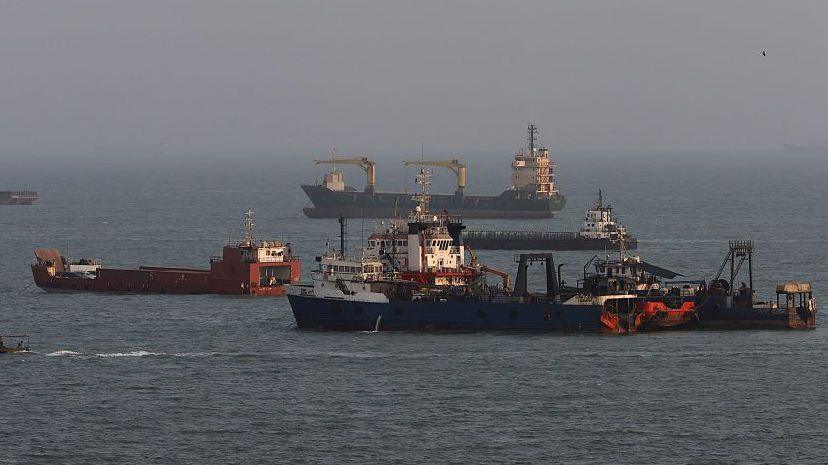
Iran has endured sanctions since 1979 and last‑year’s opposition to the 2015 Joint Comprehensive Plan of Action intensified the economic pressure. The current U.S. strategy, dubbed Operation Economic Fury, combines Treasury‑led sanctions against Iranian financial flows and a naval blockade of Iranian port facilities.
Geostrategy experts like Imran Bayoumi of the Atlantic Council warn that this move could be a response to frustration over ineffective prior options. He notes that the U.S. has struggled to align its economic thrust with a clear overarching strategy.
Michael Parker, a veteran of the Office of Foreign Assets Control, explained that the new approach seeks to widen the “blast radius” of sanctions by penalising third‑country entities that transact in U.S. dollars with Iran. He said that doing so would compel those entities to exhaust all official avenues before pursuing illicit channels.
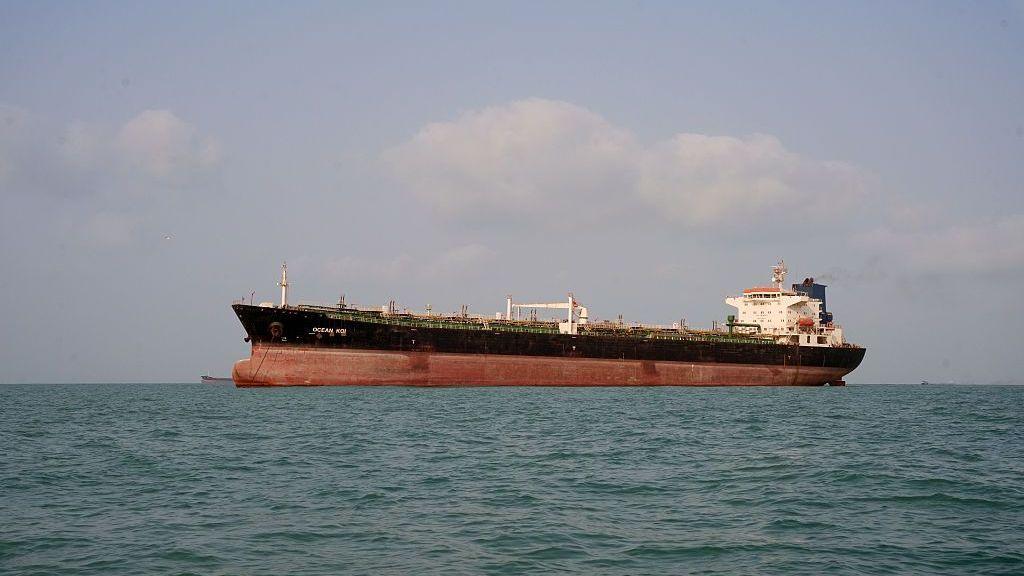
Iran’s ability to circumvent sanctions remains a concern. Export control specialist Mohammed Hammouda of the London Stock Exchange noted that Iran continually finds new “shadow” vessels and commercial fronts to avoid sanctions, while teams worldwide remain on the lookout for new enforcement opportunities.
The ultimate effectiveness of the new sanction regime will hinge on the reaction of key partners, including U.S. allies like Turkey and Iraq, and global giants such as China. While some experts doubt China’s willingness to comply with U.S. demands, the broader question remains whether the new sanctions will precipitate a long‑term shift.