In brief
On July 8, 2026, President Donald Trump secretly departed from an aircraft that remained in the skies as a decoy, while two of his cabinet officials—Secretary of State Marco Rubio and Treasury Secretary Scott Bessent—stayed on the original plane. The move, orchestrated by the Secret Service and military, was said to respond to a threat linked to Iran. Reporters on the flight were unaware of the swap, a tactic historically used to protect presidential movements. The operation highlights the complexities of modern security and succession protocols.
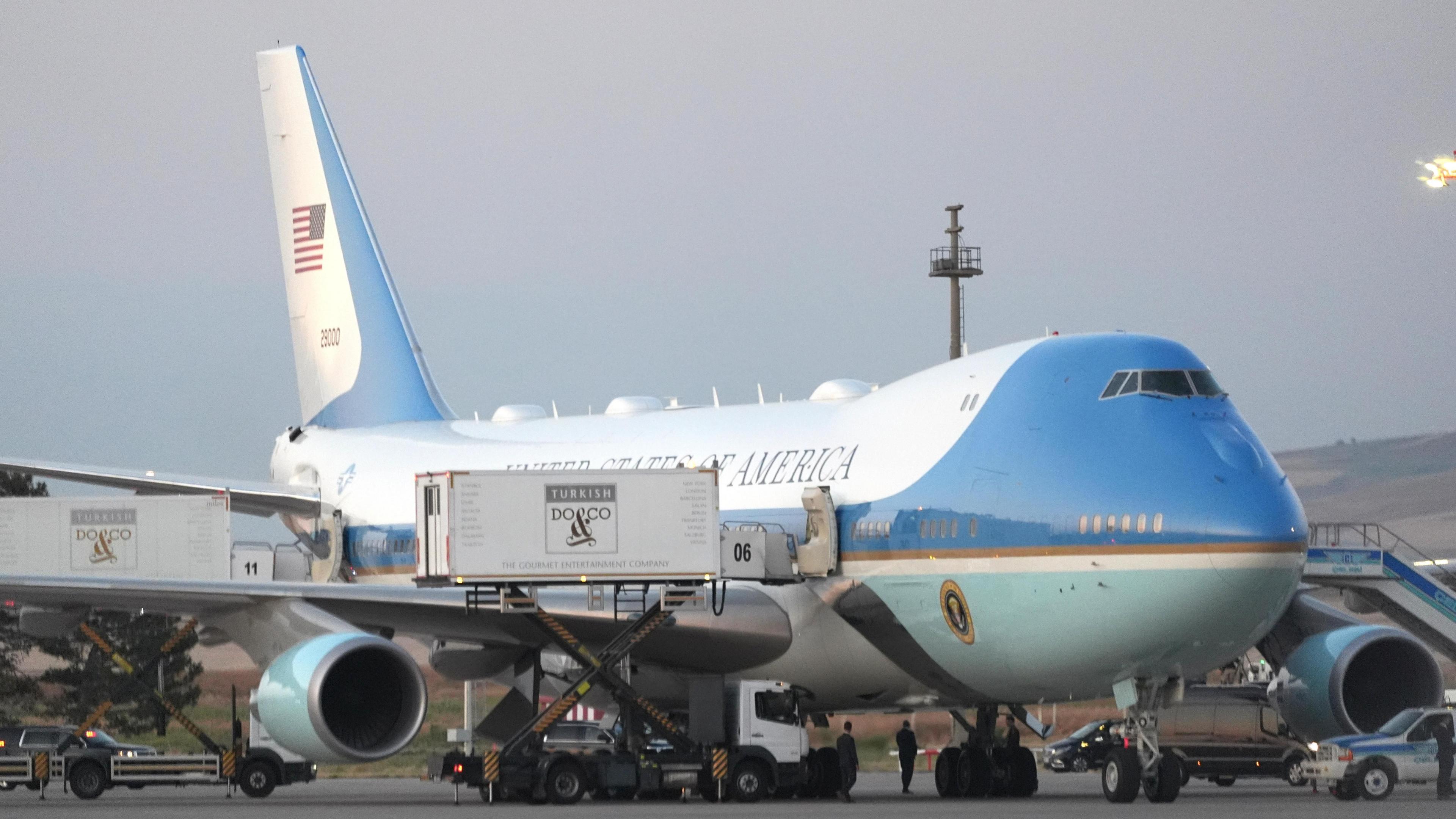
During a July 8, 2026 flight out of Ankara, Turkey, President Donald Trump quietly exited a plane that was believed to be Air Force One, while two of his key cabinet officials—Secretary of State Marco Rubio and Treasury Secretary Scott Bessent—remained aboard. The original aircraft carried the Air Force One call sign and served as a decoy, allowing the president to board a different, military‑sponsored flight after emerging from a catering truck.
According to CBS, the Secret Service and US military deemed a potential threat involving Iran justified the covert switch. Trump said the decision 'wanted me to go in a different flight,' but he offered no specific details about the danger.
The cabinet aides present on the decoy aircraft were reportedly unaware that they were on a distraction flight. Similar tactics have been employed in the past: for instance, President Bill Clinton flew to Islamabad in 2000 aboard a concealed executive jet that arrived after a decoy Jet-One aircraft had left the airspace.
The decoy operation kept the presidential line of succession active, ensuring that if any incident had occurred, Vice‑President J.D. Vance and other officials would be ready to take command.
The experience underscores the lengths to which security forces will go to safeguard the president, even at the cost of secrecy for the press and ordinary staff.