In brief
Over the weekend, France faced its most severe public disorder since the 1960s: a peaceful march erupted into widespread looting and clashes, with riot police confronting half a million demonstrators. At least 1,500 shops were destroyed and a thousand officers were injured, prompting Prime Minister Sono Sebastien Lecornu to convene an emergency cabinet meeting. President Emmanuel Macron’s televised plea for calm, though supported by many, drew sharp criticism for its lack of concrete measures. With parliamentary divisions and an impending presidential election, France must decide between temporary curfews, expanded police presence, and addressing deeper socioeconomic grievances—decisions that could alter the country’s trajectory for years to come.
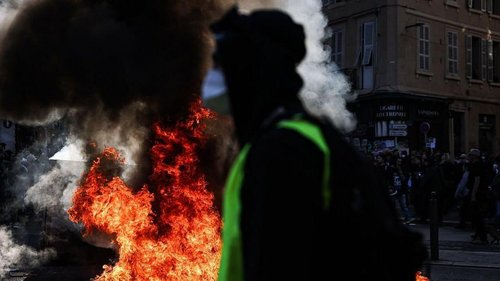
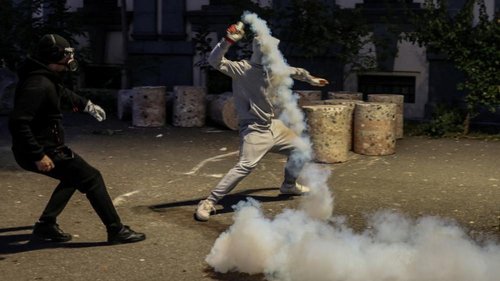
What began as a complaint over rising living costs and declining public services turned into a nationwide blaze of looting, vandalism and police violence. On Saturday, more than half a million demonstrators marched across France, but black‑clad, masked groups seized the moment, burning shops and attacking riot police, who responded with tear gas and water cannon. The result: roughly 1,500 businesses were gutted, and about 1,000 officers were wounded, seven seriously.
Prime Minister Sébastien Lecornu convened a crisis‑cabinet meeting on Monday, the most urgent in recent memory, to assess damage, blame civil unrest and decide on next‑step policing and political strategy. Parliament is deeply split among three factions, while the public's confidence in the government is slipping.
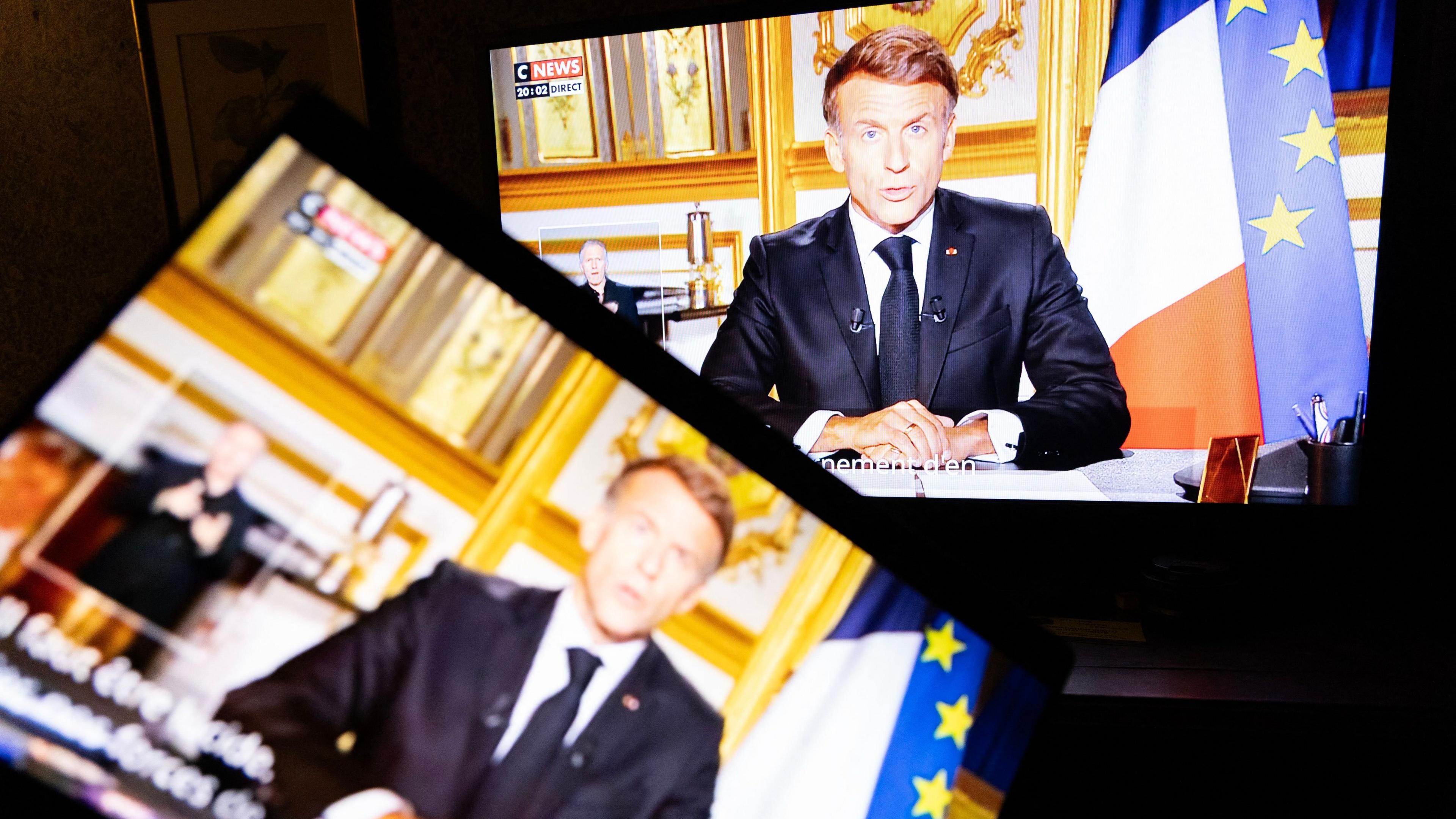
President Emmanuel Macron’s national address was swift but sparse: he called for “unity” and vowed to bring the rioters to justice, yet avoided concrete plans such as curfews, a state of emergency or detailed reparations for businesses. His statements stalled a boulder of opinion, with critics on social media and opposition parties arguing that the lack of specifics undermines credibility.
Amid growing frustration, the future hangs in a delicate balance. The centre of France’s political party matrix is fractured; Marine Le Pen and Jean‑Luc Mélenchon are already contesting the forthcoming presidential race. The government’s next steps—whether increased policing, financial compensation, or dialogue with student and teacher unions—could either calm the streets or drive new tensions.
With a blaze set in Paris’s Town Hall on Sunday night, the question looms: Does France’s leadership reassert control, or will the unresolved anger molder into a larger, more unpredictable wave of dissent ahead of the November election?
Macron urged calm in his national address following widespread looting and violence.