The serenity of a late afternoon on the Moei River that divides Thailand from Myanmar is broken by three thunderous explosions. The ethnic Karen families bathing and playing in the water make a panicked dash for the river bank, as a plume of dark smoke rises from the trees behind them.
The conflict ignited by the Myanmar military's coup nearly five years ago has come back to the border. But the fighting this time is linked to the scam compounds, run by Chinese crime syndicates, which have proliferated in Karen State in the past two years.
We are working to completely eradicate online scam activities from their roots, the Myanmar junta's spokesman Gen Zaw Min Tun said. But there are good reasons for skepticism about the military's claims.
Now, for the first time, Myanmar's long civil war and its scam crisis are entwined.
After losing control of large areas of the country to insurgent groups, the military junta has counter-attacked, bolstered by new conscripts and equipment like drones from Russia and China. In Karen State, it has driven back the forces of its main opponent, the Karen National Union (KNU).
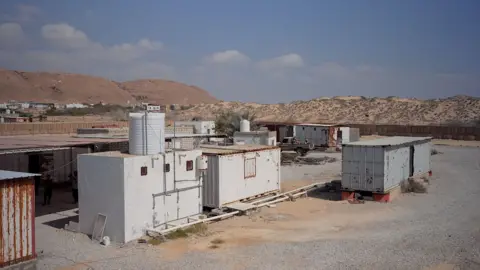
The army stormed KK Park, a notorious scam compound, in late October, forcing thousands of foreigners involved in online fraud to flee or relocate while showcasing its military prowess. However, reports suggest this crackdown might be more of an image strategy ahead of the regime's planned elections, viewed as a desperate attempt to regain legitimacy.
Despite the military's demolitions, international observers express doubt that genuine efforts are being made to dismantle the scam networks, which remain pervasive in the region, raising concerns over human rights abuses and the persistence of organized crime.
The junta's strategy appears to be superficially cleaning up its image while doing little to address the systemic issues driving the scam crisis, with many scam workers still trapped within the network.