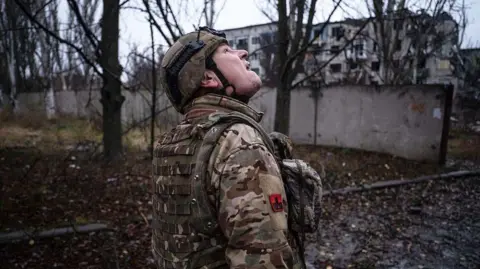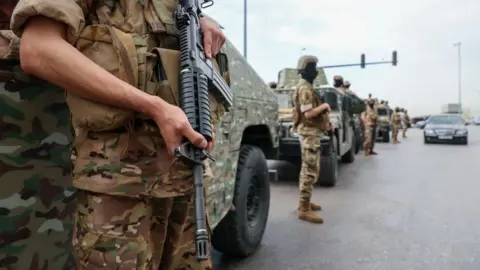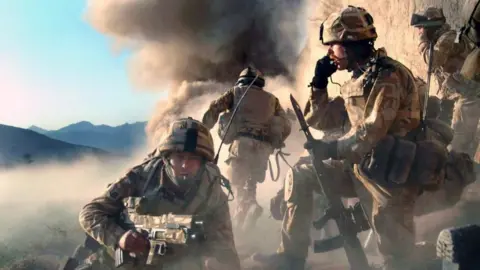
Blast walls, rocket attacks, Forward Operating Bases (FOBs), Improvised Explosive Devices (IEDs)... All who were deployed to Afghanistan between 2001-2021 have their own vivid recollections. The mission demanded commitment and bravery, starting from the perilous flights into cities like Kabul or Kandahar, aimed to avoid Taliban defenses.
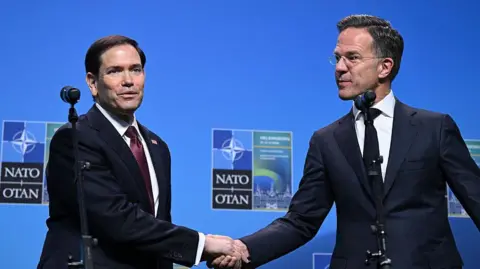
Thousands of servicemen and women from numerous countries joined the US in responding to 9/11 and invoking NATO's Article 5, marking a historic collective defense response.
The Taliban's quick ousting was followed by a prolonged hunt for al-Qaeda remnants, but many soldiers would reminisce about the IEDs they feared above all. Courage was shown not only by American forces, but also British, Canadian, and many other nations who stood shoulder to shoulder on the front lines.
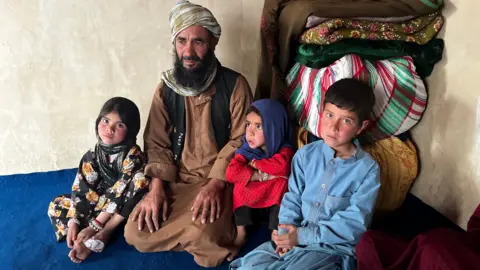
The unique camaraderie developed among multinational troops was matched by the sacrifices of countless Afghans, risking lives for their homeland against the Taliban resurgence.
Over time, the nature of conflict evolved, with the UK firmly establishing its presence in Helmand province. This resulted in a fierce struggle and significant casualties, quietly illustrating just how crucial every allied soldier's role was.
As many return to civilian life, they carry the weight of their experiences and losses, a vivid reminder that the fight in Afghanistan was a collective endeavor against terrorism. Thus, discussions about heroism and sacrifices ask us not to overlook the global nature of this effort.