In brief
This article uncovers the reality of secret prisons operated by the United Arab Emirates in Yemen, highlighting testimonies of abuse and the plight of families searching for their loved ones. Access to these facilities confirms previous allegations of human rights abuses and sheds light on the complex relationships between Yemen's government and foreign allies amidst the ongoing civil war.
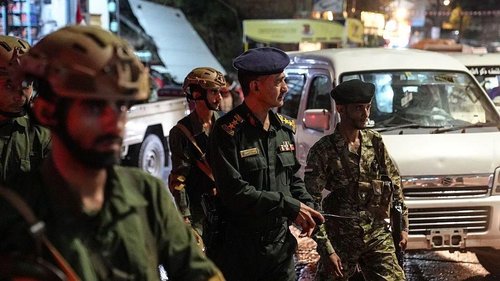
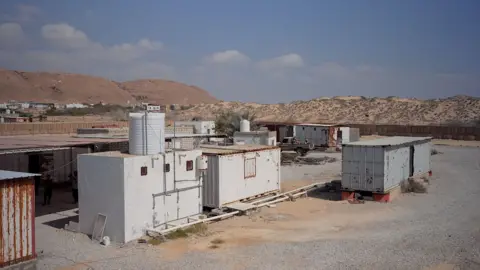
The BBC has been granted access to detention facilities on former United Arab Emirates military bases in Yemen, confirming long-standing allegations of a network of secret prisons run by the UAE and its allied forces amidst the decade-long civil war.
Former detainees recount terrifying experiences of beatings and sexual abuse. At one site, cells made from shipping containers were found, with names and dates scratched into their sides. Detainees described being packed into these containers, with little ventilation and space, forcing them to remain seated all day.
Despite previous denials from the UAE regarding these allegations, the Yemeni government now acknowledges the existence of these facilities following recent military changes in control. Access to international media has become increasingly limited over the years, making these revelations all the more significant.
Reports indicated a drastic decline in the conditions of these detention sites, which allegedly included torture methods comparable to those used in notorious facilities like Guantanamo Bay. Accounts vary, but many share a common theme of fear and uncertainty, where the threat of violence loomed large.
As the rift between Saudi Arabian and UAE forces widens, families seek answers about missing loved ones, demanding transparency and accountability for the years of operation of these secretive prisons. A mother recounts how her son, detained as a teenager, has been subjected to extreme torture, reflecting a small piece of a larger humanitarian crisis resulting from the ongoing conflict.
Is this the beginning of accountability for the abuses that have occurred in Yemen's shadowy prisons? With continued documentation from human rights groups and journalists, the hope for resolution remains fragile yet persistent.