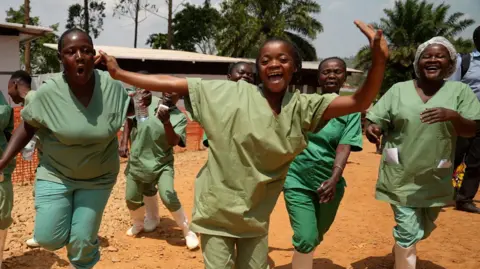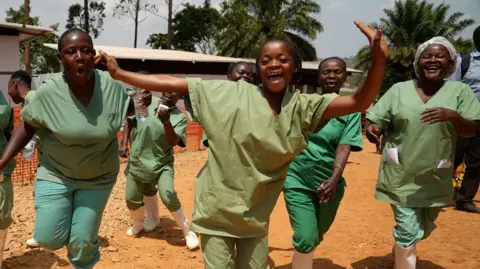
In the dusty streets of Mongbwalu, the air that usually carries the dread of disease was filled instead with music and laughter. A handful of health workers in green scrubs joined a man in a simple T‑shirt as he walked past the cordoned line, his hand cupped high and his face lit with relief. The patient had spent three weeks in the treatment center, but two negative tests confirmed his freedom from the Bundibugyo strain of Ebola – a reminder that recovery is possible.
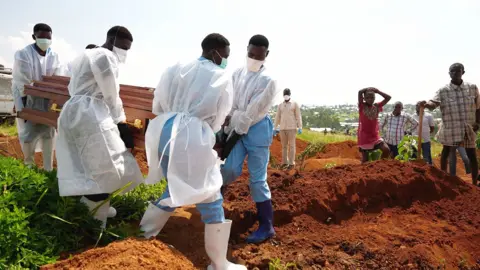
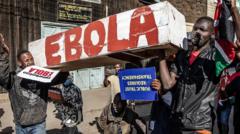
More than 140 people have died in the province, and the virus still claims a third of those infected. Local myths – including the belief that the death and disease stem from a broken coffin – fueled mistrust of the centres, sometimes resulting in the burning of treatment tents.
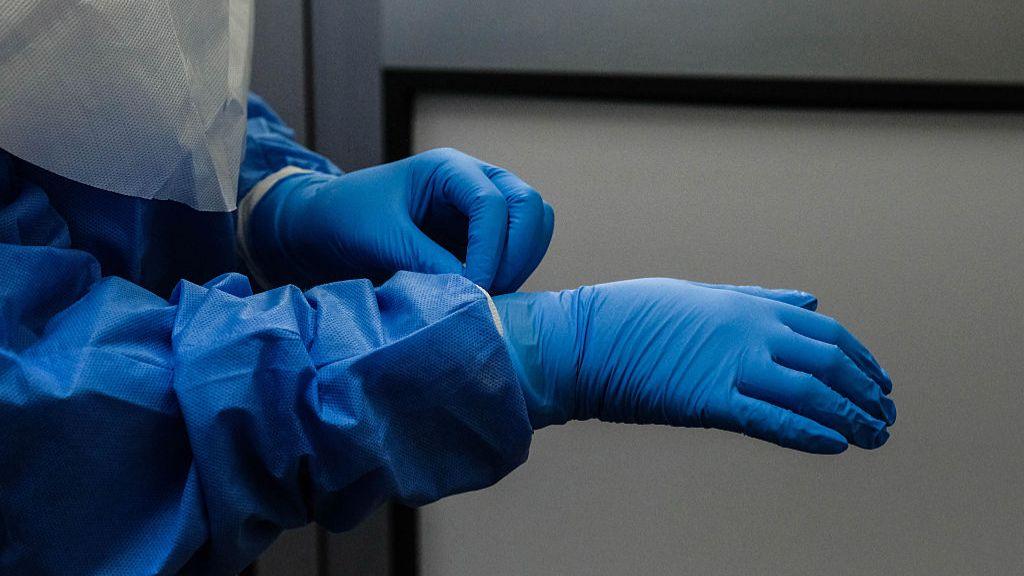
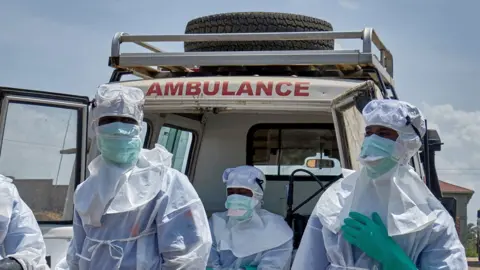
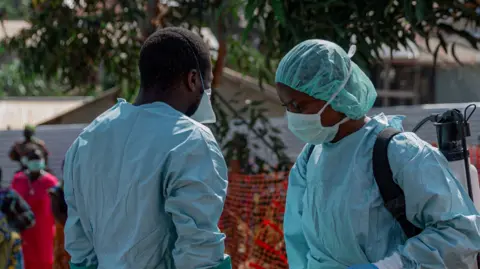
The renovations at the Mongbwalu hospital – a new laboratory that provides results within 24 hours – have started to change that perception. Residents now see the safety measures: full personal protective equipment, glass partitions and strict visitor protocols, all of which reduce the risk to health workers and patients alike.
Even as five health workers have succumbed to the disease and more are being treated, the tone in the corridors has shifted. Daniel Kitambala’s voice, a devout Christian, shouted to those who lingered: “I recovered. People should seek treatment when they fall ill.” His message has become a rallying cry for those still frightened.
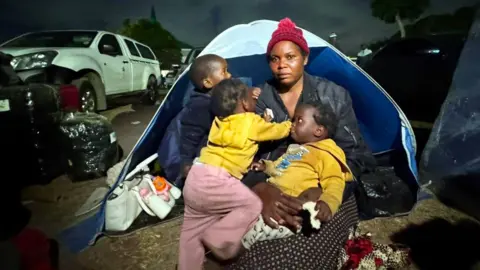
Yet joyous moments cannot erase the underlying vulnerability. Contact tracing remains unreliable, and the potential for unnoticed spread still looms large. The community’s trust will depend on transparent communication, efficient testing and continued protection of those who treat the sick.