Antonio Bustamante has kept a watercolor of labor leader César Chavez for more than 35 years, hanging it on the wall of his law office in Yuma, Arizona. As a young man, he was inspired by Chavez and helped organize workers before joining his security team.
Today, Bustamante, like many others, grapples with reconciling the revered man he once admired with the allegations that Chavez groomed and sexually abused women and young girls.
“I’m trying to figure out how emotionally and intellectually I’ll be able to understand my perception of him as an extremely good man,” Bustamante reflects, his voice heavy with emotion, “compared to these things that are said he did.”
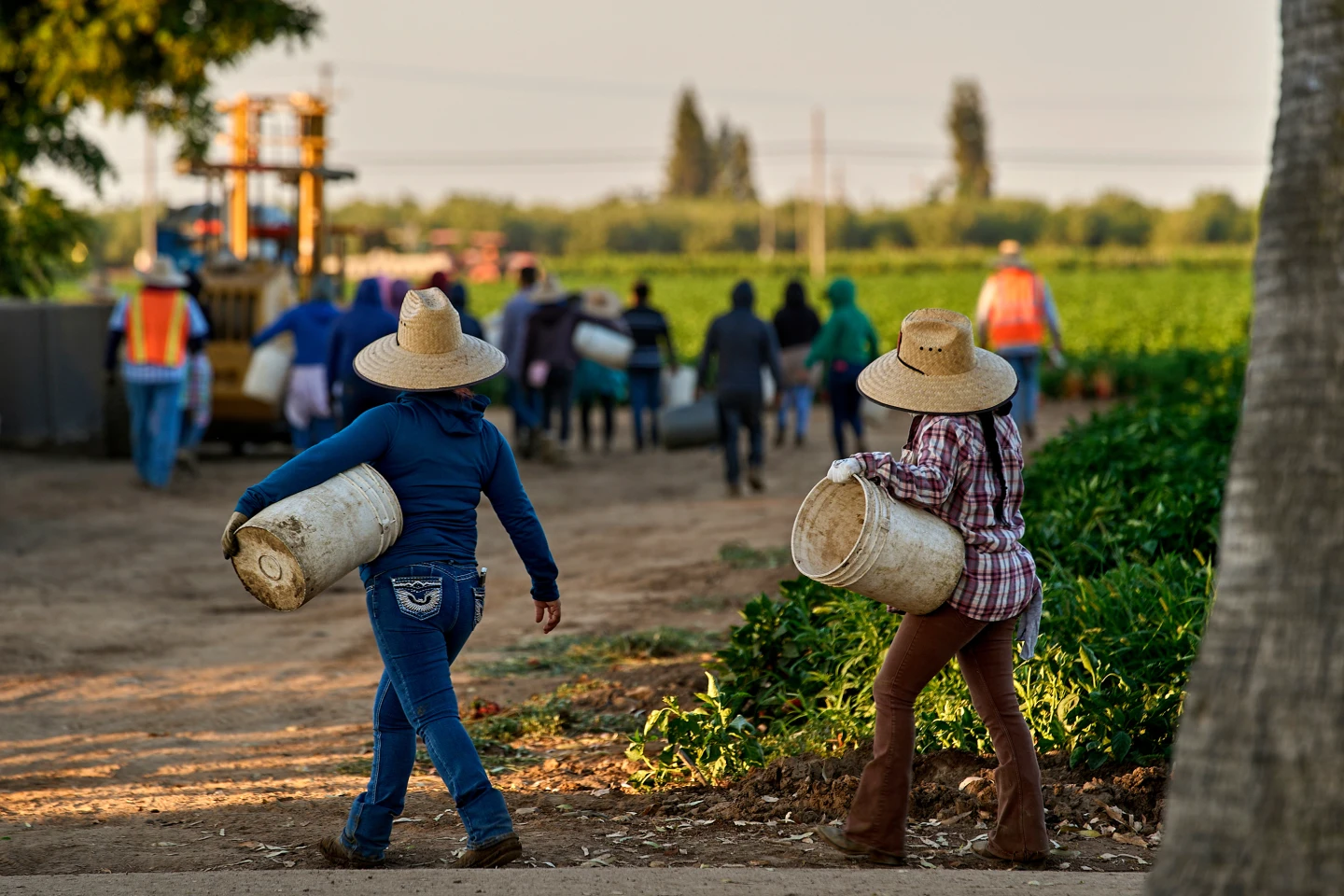
Chavez built a national reputation organizing in the fields. His legacy includes co-founding the United Farm Workers union alongside Dolores Huerta, carrying out a hunger strike, and spearheading boycotts aimed at securing better wages and working conditions for Mexican American farmworkers.
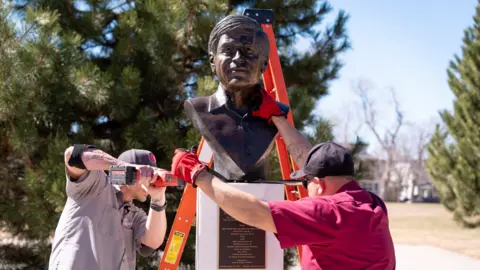
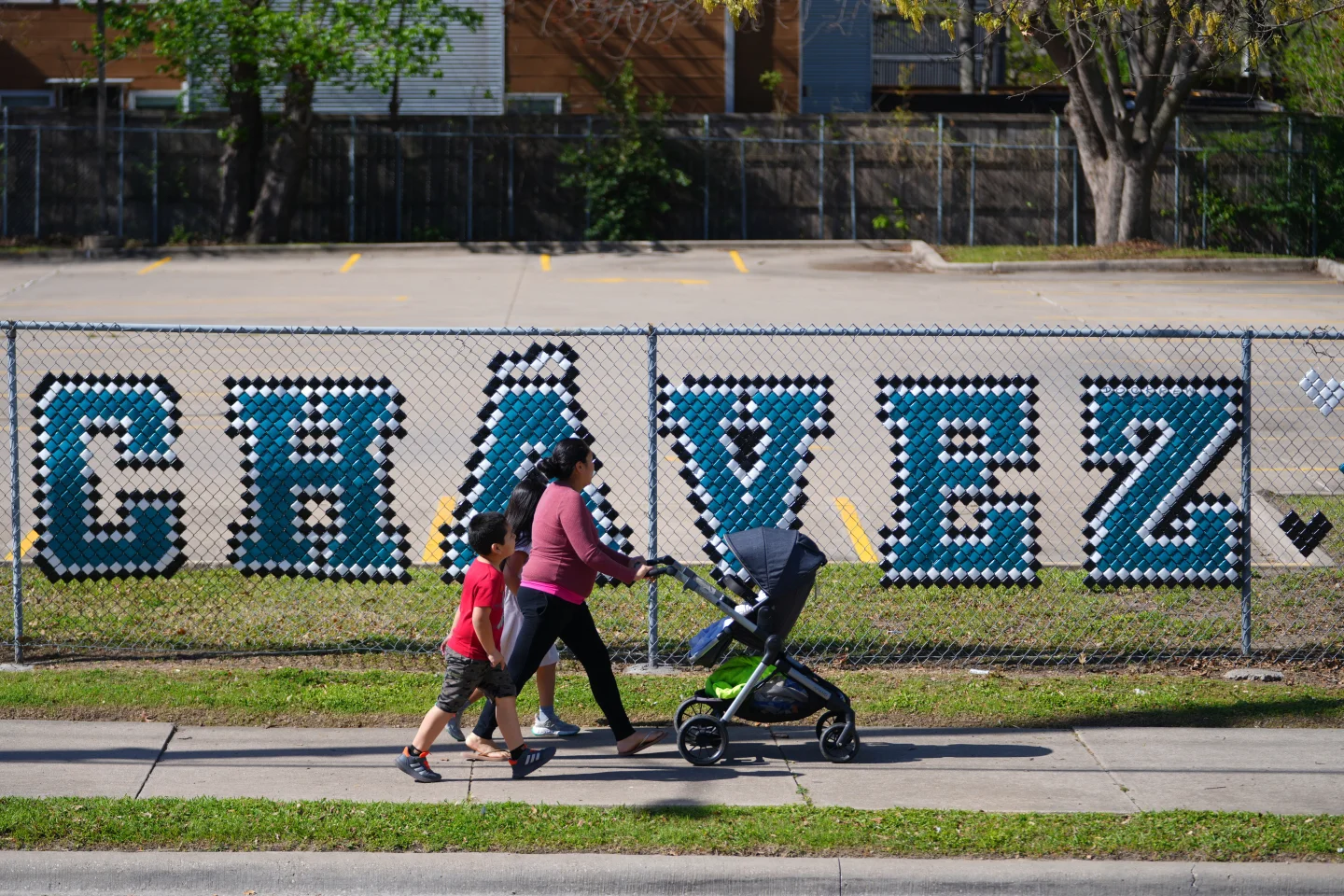
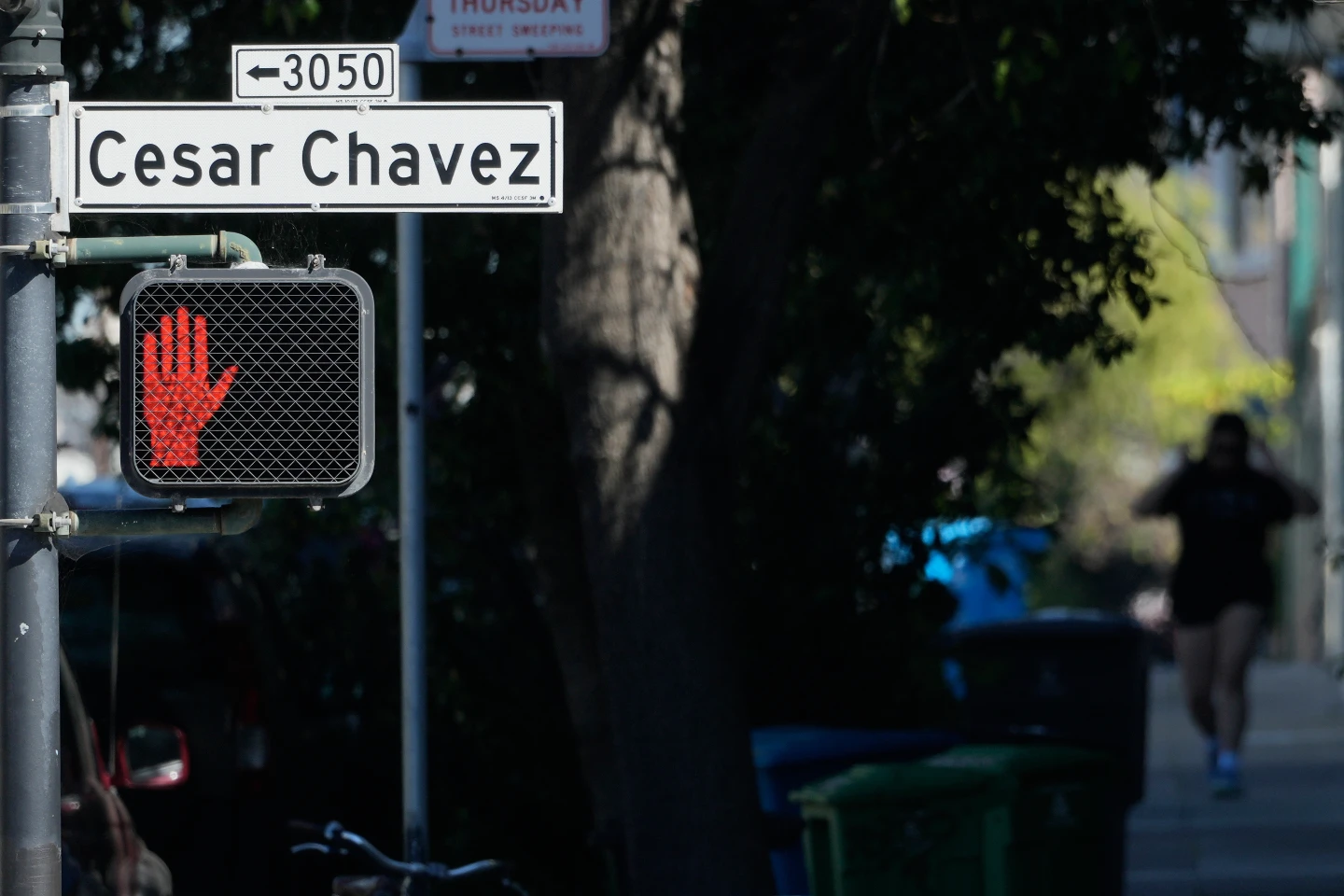
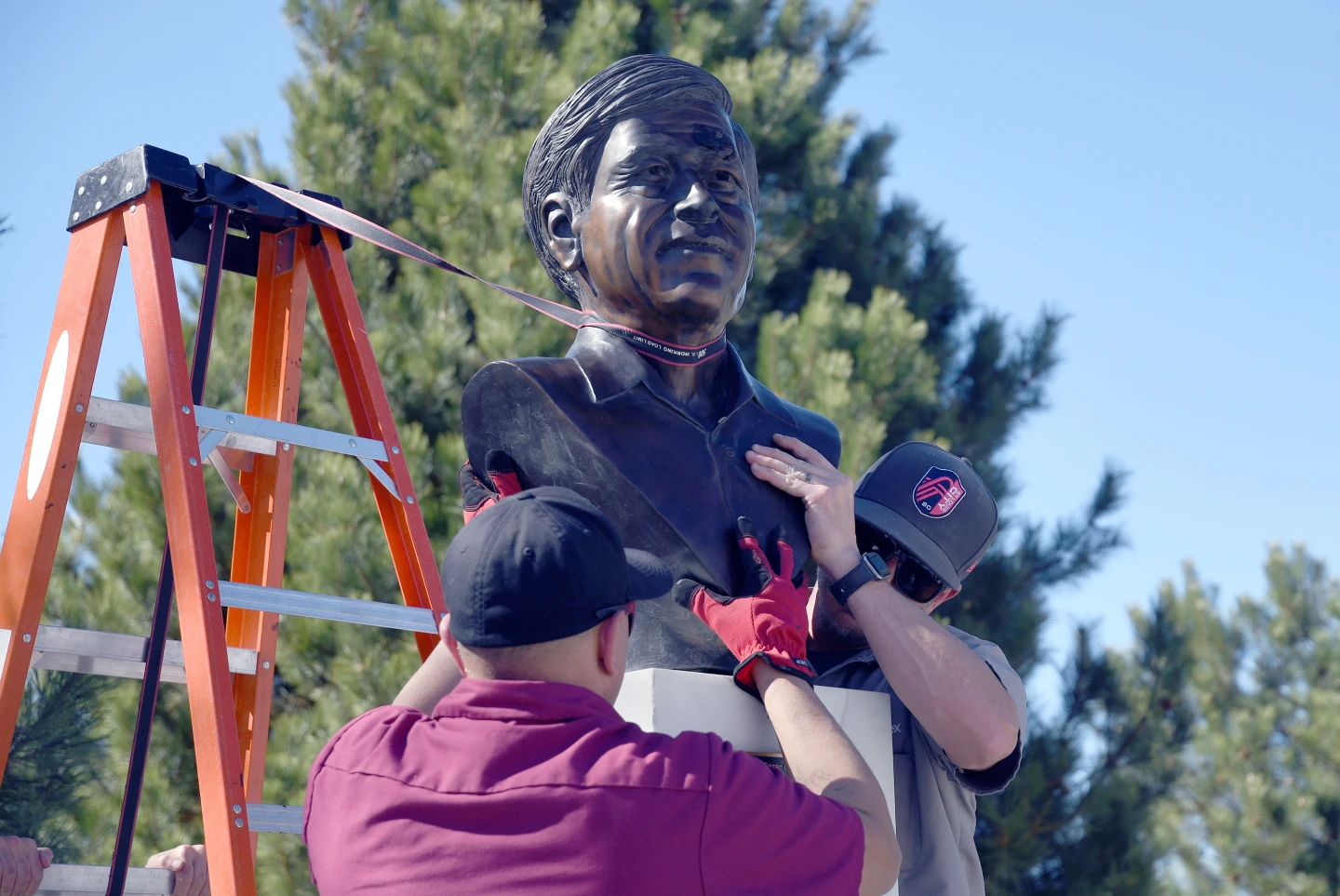
In the wake of a New York Times report detailing allegations of sexual abuse, communities and rights groups across the nation are still trying to reconcile how Chavez should be remembered. His name and image have already been removed from numerous monuments and streets.
Reckoning with a legacy
Bustamante learned of the allegations from a friend, and he recalls thinking of others who revered Chavez and how their perceptions would be fundamentally altered. “We were looked down upon by society, we were Mexicans,” he reminisces about witnessing Chavez speak outside the Arizona Capitol in 1972. “He gave us worth, and for young people that was everything.”
Following the accusations, some of Bustamante’s friends have taken down images of Chavez, a situation he compares to denouncing Catholicism and removing images of the Pope.
One person does not make a movement
This incident illustrates the need to recognize movements as collective efforts, rather than attributing everything to a single leader. United Farm Workers President Teresa Romero pointed out the inevitable contradiction between Chavez’s legacy as a leader and the severity of the allegations against him. “We have in one hand César Chavez, the man who committed horrible acts that we’re not going to justify,” she stated. “On the other hand, we have César Chavez, the organizer who brought thousands and thousands of people together to improve their lives.”
Dismantling a man, preserving history
The allegations have prompted quick public action, leading to the removal of statues and the cancellation of events associated with Chavez, including federal celebrations on March 31.
Political leaders have condemned the alleged behavior while some see it as indicative of a larger critique against Chavez’s progressive legacy. Others argue that the discussions surrounding his legacy should not detract from ongoing civil rights efforts. Paul Ortiz, a labor history professor, asserts that despite controversy, the legacies centered on collective power remain unchanged.
According to Bustamante, a lasting discussion surrounds how to honor Chavez amidst the complex realities of his actions. “Does that take away the greatness of what his accomplishments were? No, it doesn’t,” he pondered. “But can we look past that to honor him? That’s the tough part.”