Farm work is personal for many people in California, where nearly three-quarters of America's fruits and nuts are grown. That's why, when sexual abuse allegations against famed farmworker union activist Cesar Chavez came to light in March, it sent shockwaves throughout the state.
As the daughter and granddaughter of farmworkers, this is deeply personal, state senator Suzette Martinez Valladares said during a meeting to discuss removing Chavez's name from streets, parks, and schools - as well as renaming Cesar Chavez Day to Farmworkers Day.
The legacy of farmworkers belongs to families like mine across California - not to any one individual, Valladares stated as lawmakers shared stories of their families' labor in the fields under the hot sun.
As a prominent labor organizer, Chavez led significant strikes against Delano grape growers in the 1960s, resulting in nationwide boycotts to improve working conditions and wages for farmworkers. His mantra, si, se puede - meaning yes, we can - has resonated with various social movements since, even being adopted by President Barack Obama during his first campaign.
However, the discovery of allegations from Dolores Huerta, co-founder of the National Farm Workers Association, claiming that Chavez raped her decades ago has cast a shadow over his legacy.
The investigative report also featured testimonies from two women alleging that Chavez molested them when they were minors in the 1970s. Huerta, now 95, explained her reluctance to speak out due to concerns about the potential impact on the farmworkers movement.
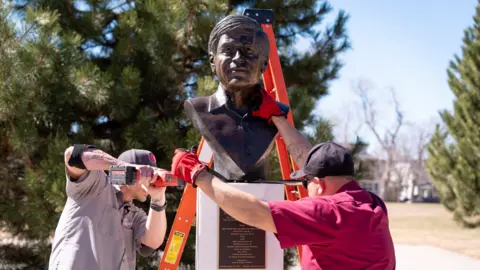
In the wake of these revelations, California lawmakers voted unanimously to rename Cesar Chavez Day to Farmworkers Day, with similar discussions happening across the country. Statues of Chavez have begun to be removed, and murals vandalized where his image was once celebrated.
Despite this, many former admirers of Chavez’s contributions to the labor movement maintain that the broader fight for worker rights should continue to be recognized.
Los Angeles Mayor Karen Bass expressed her devastation upon learning of the allegations, acknowledging Chavez's vital role in the justice movement from her childhood aspirations.
In a sign of changing attitudes, many artists are revisiting their depictions of Chavez. For instance, a muralist in Los Angeles has transformed a mural of Chavez to honor Huerta instead, recognizing her significant contributions to the labor rights struggle.
However, not all artists agree on completely erasing Chavez’s presence. Some advocate for updates to existing murals to reflect contemporary values and perspectives in the labor movement.
As the conversation surrounding Chavez’s legacy continues, the focus on the collective experience of farmworkers and their contributions to labor rights marches on.