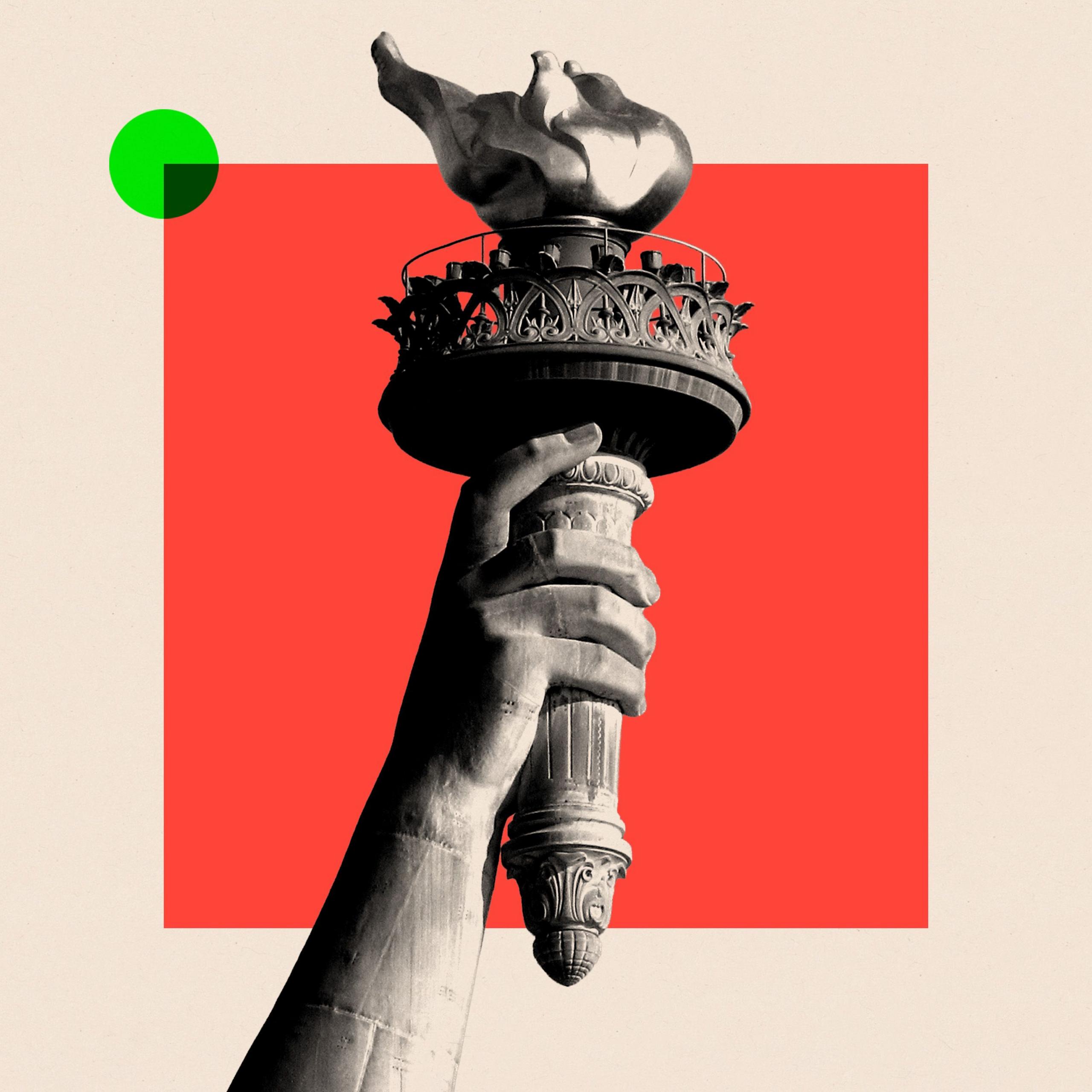
The American Dream Still Alive, Yet Fragile on the Nation’s 250th
Sixteen years ago a Somali refugee, Abdi Nor Iftin, first held a visa that would take him to a land steeped in promise. From a slum in Kenya he stepped into a small town in Maine, a region that still carries the weight of the perils and hopes of the continent. The diversity visa program, a legacy of the 1990s, allowed him to become a citizen in 2014.
Today, Abdi tells a different story. He lost his job at a refugee agency, and with that his health insurance vanished. On the eve of the United States’ 250th birthday he feels that the very foundation of the Dream may no longer be stable.
Nationwide Surveys Show a Dwindling Belief in the Dream
According to a recent AP‑NORC poll, only a third of the public still think the Dream exists. Other polls from the Pew Research Center confirm the same trend, with most Americans saying the country’s best days are behind it. The share of young adults who consider the Dream achievable is exceptionally low.
Federal policy has tightened immigration, especially under the former president’s administration, curbing the diversity visa lottery and blocking passage for many immigrants. In international migration reports, the number of Americans moving abroad is on the rise, with the count of those applying for UK and Canadian citizenship climbing to record highs.
Who Still Holds the Dream?
Among older Americans and many Republicans, faith in the Dream persists. One veteran and nuclear‑engineer, Brandon Patty, expresses a heartfelt conviction that the Dream has limitless opportunities. Other reports from the Archbridge Institute highlight that a majority across diverse demographics still think the Dream is alive and well. Their methodology argues that a focus on negative polls can cement a self‑fulfilling decline.
A Dream Rooted in Freedom, Not Just Prosperity
Historical scholars remind us that the Dream began as a promise of social order, not merely motor cars or high wages. The concept evolved, yet America’s constitution still frames the Dream as a quest for liberty. Black Americans, however, have long viewed the Dream as a myth that is disconnected from the realities of slavery, segregation and ongoing inequality.
Economic Inequality Diminishes a Door‑Open Promise
The Collapse in the early 2000s, the credit crisis, and the COVID‑19 downturn have all contributed to widening inequality. A Harvard economics study notes that in the 1980s fewer children were expected to outperform their parents, while in the 1940s the same rate was two‑thirds.
Looking Forward
Sociologists and political scientists agree that there are opportunities to revive the Dream. With the 250th occasion approaching, a conversation over what the Dream will entail for future generations can be nurtured. Yet the conversation must address both the economic and the moral dimensions of America’s identity.
The future of the American Dream will itself become a central theme for the next 250 years.