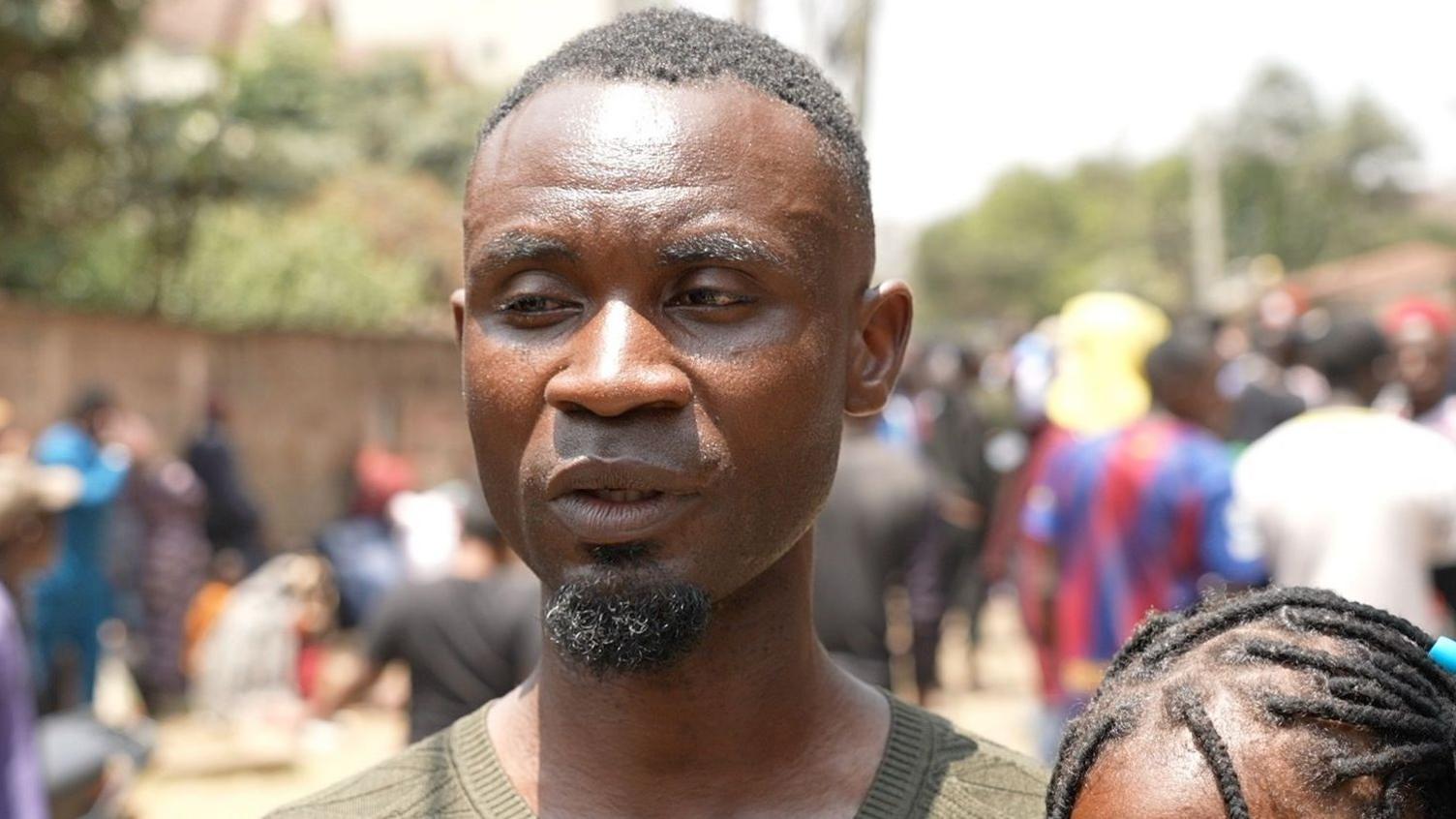
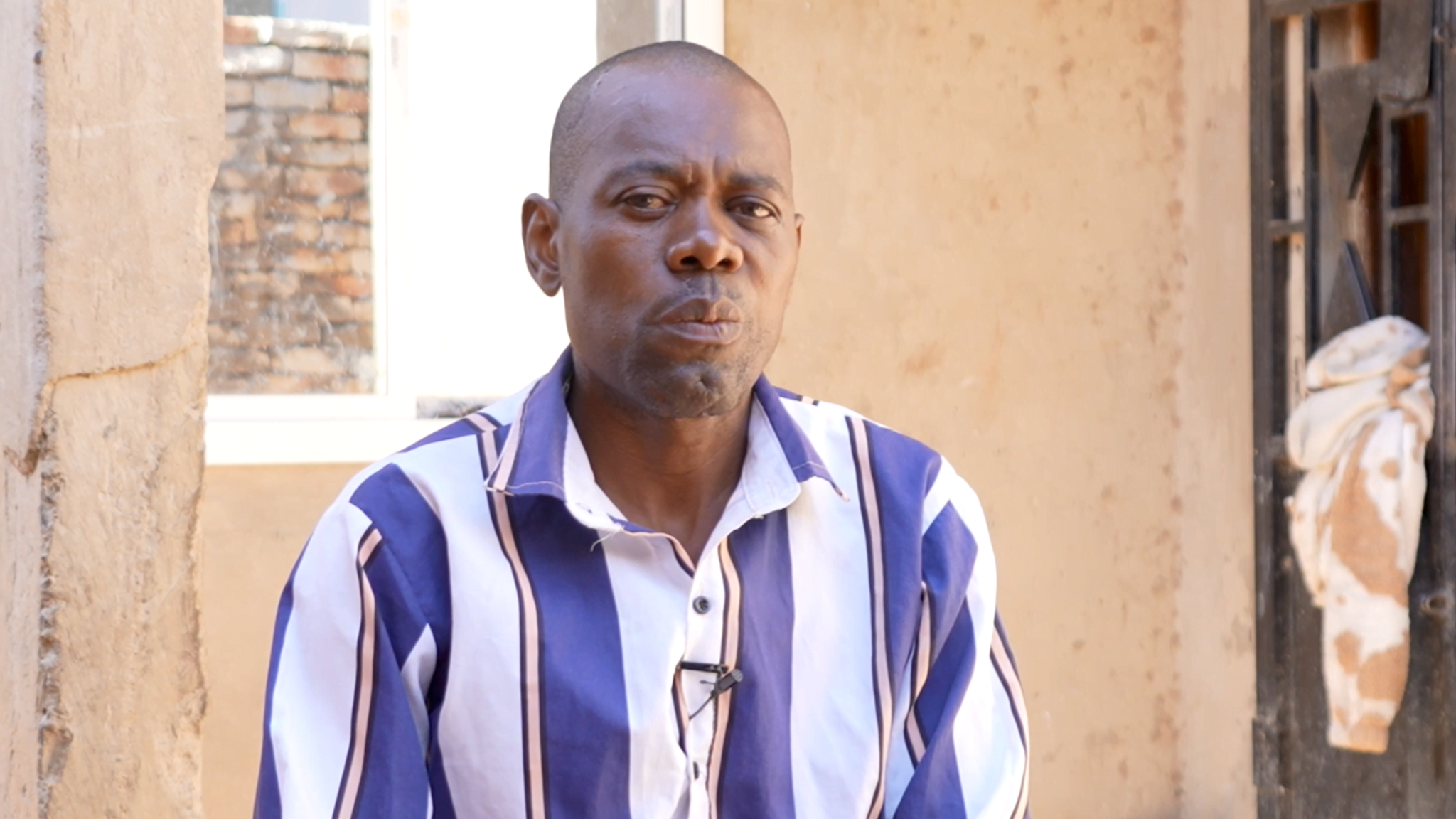
For nine years, Ndaikech Ali has driven a tuk‑tuk in Nairobi, taking his clients through the city’s winding streets. While Kenya’s streets can be heavy, the real shock came when President William Ruto’s speech demanded that all foreign‑born traders close shop by 7 September or leave the country. Ali told the BBC that he had always felt welcome as a Burundian in Kenya—until last week when the government’s new directive threatened his livelihood and safety.

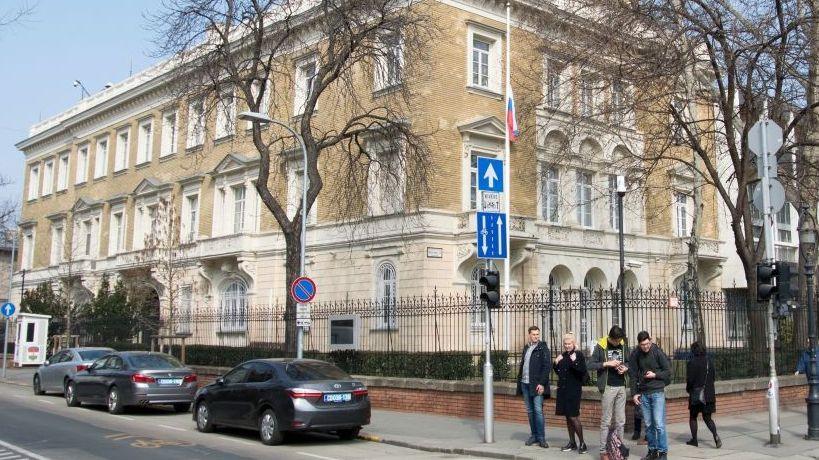
Other Burundians queued at the embassy, some arriving with nothing but essential belongings. In Nairobi’s low‑income community of Majengo, Grace Wamaitha watched her husband leave after the president’s speech, promising that she would now have to shoulder the family’s unpaid school fees.
The crackdown has stoked fears of harassment, with migrants citing threats from children and “alien” locals. Academic Hesbon Owilla warned that the president’s wording was “susceptible to misinterpretation” and could invite xenophobic backlash. Commentary from economics experts such as Odhiambo Ramogi suggests the policy may harm Kenya’s economy, with the country earning over $50 million in exports to Burundi last year.

The Kenyan government has offered a 90‑day window for undocumented foreign traders to register and comply with local regulations, a concession aimed at easing the transition. Yet critics label the initial announcement as a populist move that risks stoking regional animosity. Ruto, who will run for re‑election next year, has defended the policy by emphasizing Kenya’s duty to protect jobs for its citizens.
The broader picture reveals a delicate balance between welcoming migrants for economic growth and maintaining local livelihoods. As tensions simmer, both the Kenyan and Burundian governments seek to avoid a prolonged conflict that could damage regional ties, especially within the East African Community.