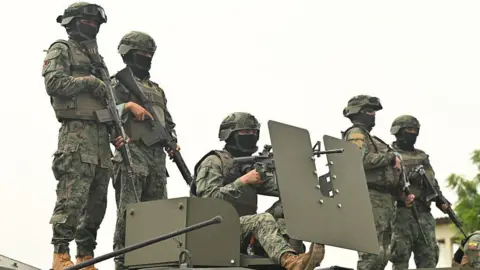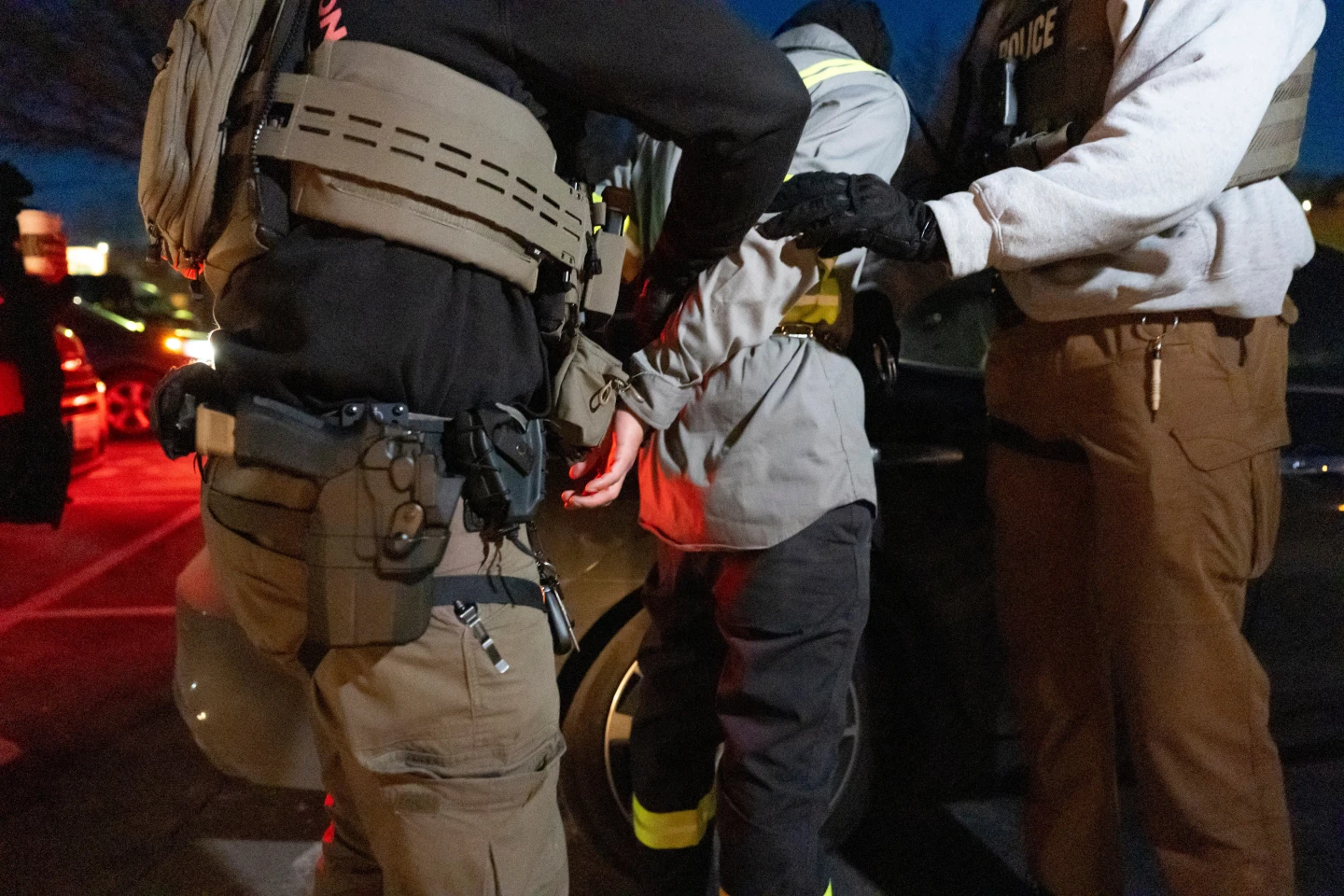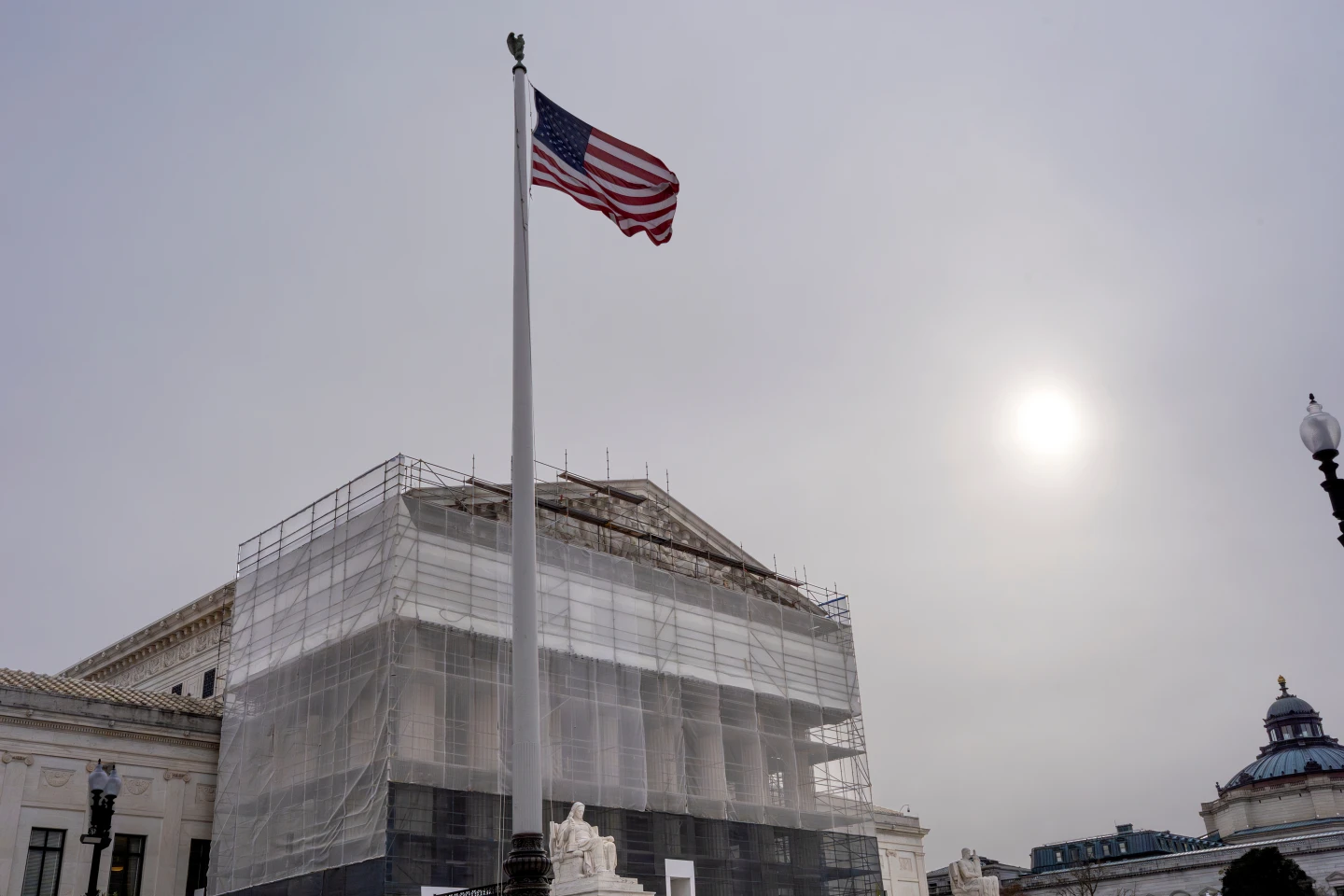
WASHINGTON (AP) — The Supreme Court on Tuesday declined to support the Trump administration’s request to deploy National Guard troops in the Chicago area for immigration enforcement, signaling a notable defeat for the administration's policies. The justices refused to overturn a ruling made by U.S. District Judge April Perry, who blocked the deployment, citing a lack of evidence for the need of such actions. An appeals court had similarly turned down the emergency request, leading to the Supreme Court's final determination after more than two months of deliberation.
Three justices—Samuel Alito, Clarence Thomas, and Neil Gorsuch—dissented from the decision. However, the order does not serve as a conclusive ruling, but it does raise concerns for related lawsuits contesting President Trump's military deployment initiatives in other Democratic-led cities.
This ruling represents a rare setback for Trump, who has seen much success with emergency appeals in the Supreme Court since his return to office in January. Historically, the conservative-led court has favored Trump’s authority in various contentious issues, including the military's role in addressing immigration and other related policies.
Initially, the Trump administration sought authority to use National Guard troops from both Illinois and Texas. However, the contingent from Texas was later sent back home, reducing the operational scope in Chicago.
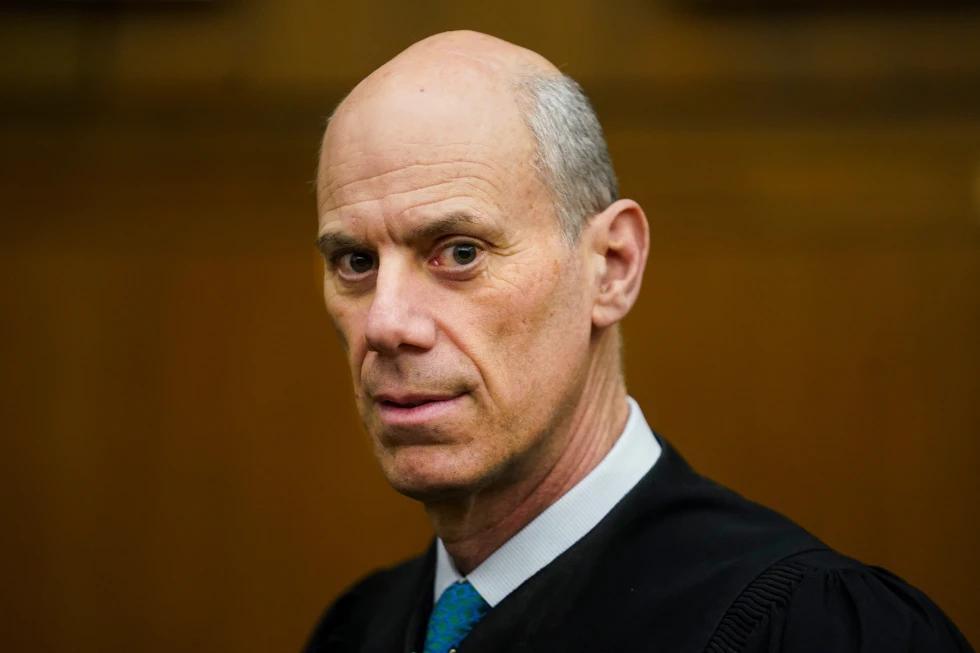
Judge Perry previously indicated a lack of substantial threats in Illinois that would necessitate military assistance in enforcing immigration laws. Her extended ruling against the deployment will remain while the case is under review.
In light of this ruling, the Trump administration is faced with ongoing legal battles regarding National Guard deployments across several states, with varying outcomes. Other jurisdictions have expressed concerns about the legality of such military actions, and the administration's efforts remain subject to scrutiny from both the judiciary and state officials.