In brief
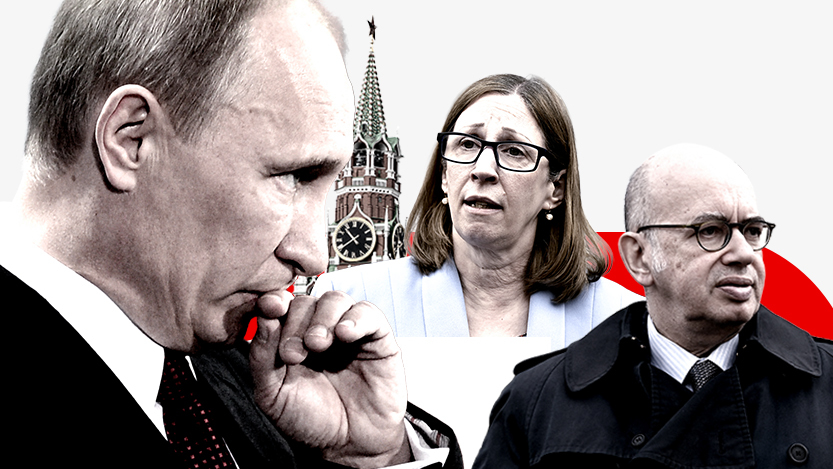
In a war‑time Moscow, western diplomats describe a climate of relentless surveillance, isolation and unnerving pressure that has turned routine diplomacy into a fraught exercise of protectiveness and survival. Former U.S. ambassador Lynne Tracy and ex‑French envoy Pierre Lévy reveal how secret listening devices, cameras, and intimidation tactics have made embassy life a precarious balancing act. They contrast the modern restraint with Cold War‑era tactics to highlight the shift from diplomatic dialogue to covert observation. Amidst staff shortages, financial hardships and sanctioned isolation, the embassies have struggled to maintain basic operations while their staff endure threats and psychological strain. Yet despite these challenges, diplomats argue that their presence keeps vital lines of communication open and may help pave the way for future easing of tensions.
Ambassadors who served under the pressure of a five‑year war describe Moscow as a place where every conversation, even a friendly exchange, is a potential operation for Russian intelligence services. The environment has shifted from routine representation to a fragile theatre of surveillance, intimidation and isolation.
Former U.S. ambassador Lynne Tracy, who left Moscow in 2025, says that the “hardest assignment of her career” was the daily uncertainty that came from having the embassy watched by a state that had declared the West an enemy. She recalls being warned that homes were monitored in the same way that Cold War headquarters were watched for hidden listening devices and so “every personal choice felt strategic.”
Tracy contrasts her experience with past stints in Pakistan and the United Nations, where although there were threats, the sense of control remained stronger. In Moscow, the absence of that control, combined with a steady onslaught of counter‑intelligence demands, “made the city a laboratory for strategic paranoia.”
Pierre Lévy, the former French envoy, remembers the initial war‑time scramble to decide whether to recall ambassadors. He and other European diplomats rationalised that the higher the tensions, the more crucial it would be to preserve a channel to Moscow, even if the channel became more of a guarded door than a dialogue.
The War has also pitted embassy staff against an emerging war‑time reality: limited staffing, damaged facilities, and the gradations of sanctions that stall payments. Diplomats have had to improvise, using personal funds, shipping rubles from donated vehicles or relying on permanent staff to keep diplomatic missions operational despite financial hurdles.
Russian officials openly accuse Western diplomats of espionage, which has amplified the situation where ordinary citizens, educators or cultural figures are discouraged from engaging with embassy staff. Former ambassadors described being tailed by feds and having visitors scrutinised before reaching the embassy doors.
Despite the unrelenting barrage, diplomats insist their role “matters even more” when the world is in conflict. They maintain that even a single interaction or letter can keep bleak relationships under the radar and may serve as a bridge when diplomatic ties eventually ease.
Looking ahead, Tracy, Lévy and others hold that preserving institutional memory, safeguarding staff and staying accessible are key to ensuring that the West does not fully abandon Moscow, even as front‑line tensions persist. The embassy’s survival, according to them, is a testament to the resilience of diplomacy in times of war, and a reminder that humanity persists even in the most surveillance‑laden environments.