In brief
Two weeks before the U.S. midterm elections, the Trump administration announced it would temporarily lift 50% tariffs on a range of Canadian goods, from plywood to certain machinery. The decision followed pressure from U.S. Senator Susan Collins, who said the relief would support Maine’s agriculture. While the White House heralded the move as a step toward fair trade, Canadian officials urged caution and called for a broader agreement. In alternate timelines, analysts project the tariff easing could either dampen the trade war or trigger a backlash from competitors. The impending elections will judge how much the trade policy influences voter sentiment in key swing states.
In a move that could reshape trade relations ahead of the November elections, the Trump administration announced a temporary 50% tariff cut on selected Canadian exports from 30 October. The lifted duties cover items such as plywood sheets, some paper products, certain machinery, and refrigeration equipment.
The decision was prompted by lobbying from Republican Senator Susan Collins, who faces a tight race for Maine’s U.S. Senate seat and says the duty reduction will aid the state’s blueberry, potato, apple and seaweed growers. She told reporters she would keep engaging White‑House officials to secure wider relief.
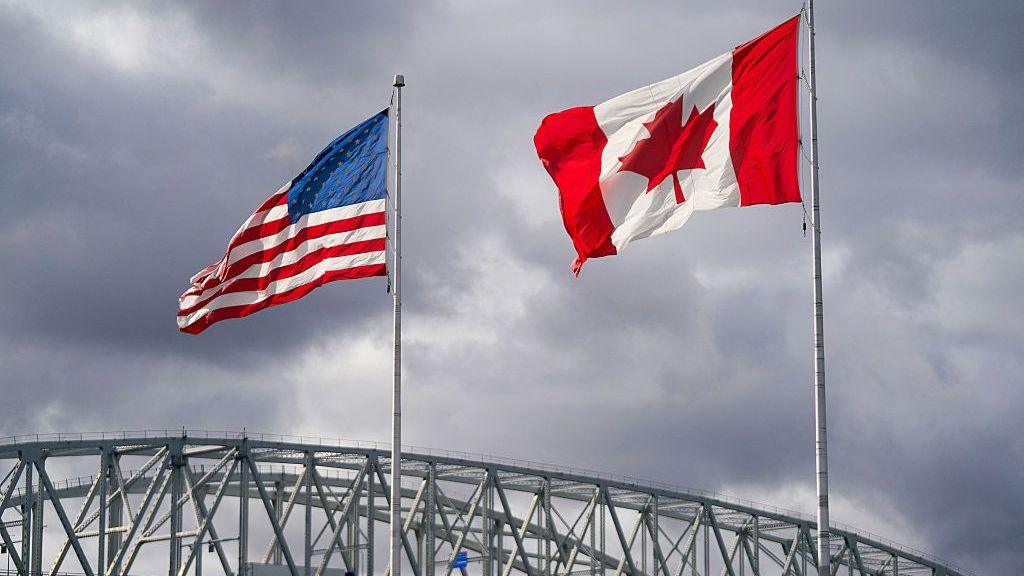
The U.S. had earlier slapped a 50% levy on roughly $20 billion of Canadian goods after trade talks collapsed in August. Canada in turn matched the tariffs, a move its Prime Minister Mark Carney said was necessary to protect Canadian workers.
While some items will see duties lifted, the White House noted that other products—carpets and waste-related goods—could still face new tariffs. The administration framed the easing as part of President Trump’s broader strategy to defend American workers and promote fair trade.
In one speculative timeline, the tariff cut could quell the trade war quickly, allowing Canada to re‑engage with U.S. supply chains and boosting border economies. In a contrasting scenario, the intervention might embolden Canadian manufacturers to raise prices, intensifying the standoff and leading to voter backlash in states like Michigan.
Canada’s Deputy Trade Minister Dominic LeBlanc expressed readiness to pursue a comprehensive agreement, emphasizing the importance of mutual respect and constructive dialogue. Meanwhile, U.S. officials remain cautious, with Deputy Secretary Matthew Middleton reaffirming that the United States is still addressing “discriminatory treatment” of U.S. commerce.
The announcement comes just weeks before the midterm elections, which will determine the balance of power in Congress and set the stage for the remainder of Trump’s term. Analysts note that trade policy is now a key election issue in the swing states most affected by the tariffs.
For those following alternate futures, the next days will reveal whether this tariff tweak is a turning point or a temporary bandage in the broader trade struggle between the U.S. and Canada.