In brief
On the morning of 24 October, a fire broke out inside the Kehlsteinhaus, Adolf Hitler’s secluded mountaintop retreat. Police detained a 33‑year‑old man who was found riding a motorcycle near the scene, while investigators consider both accidental and intentional causes. The blaze destroyed much of the historic structure, now a tourist site and reminder of Nazi atrocities. In a broader context, German authorities have been debating what to do with remaining Nazi landmarks, raising questions about remembrance versus repurposing.
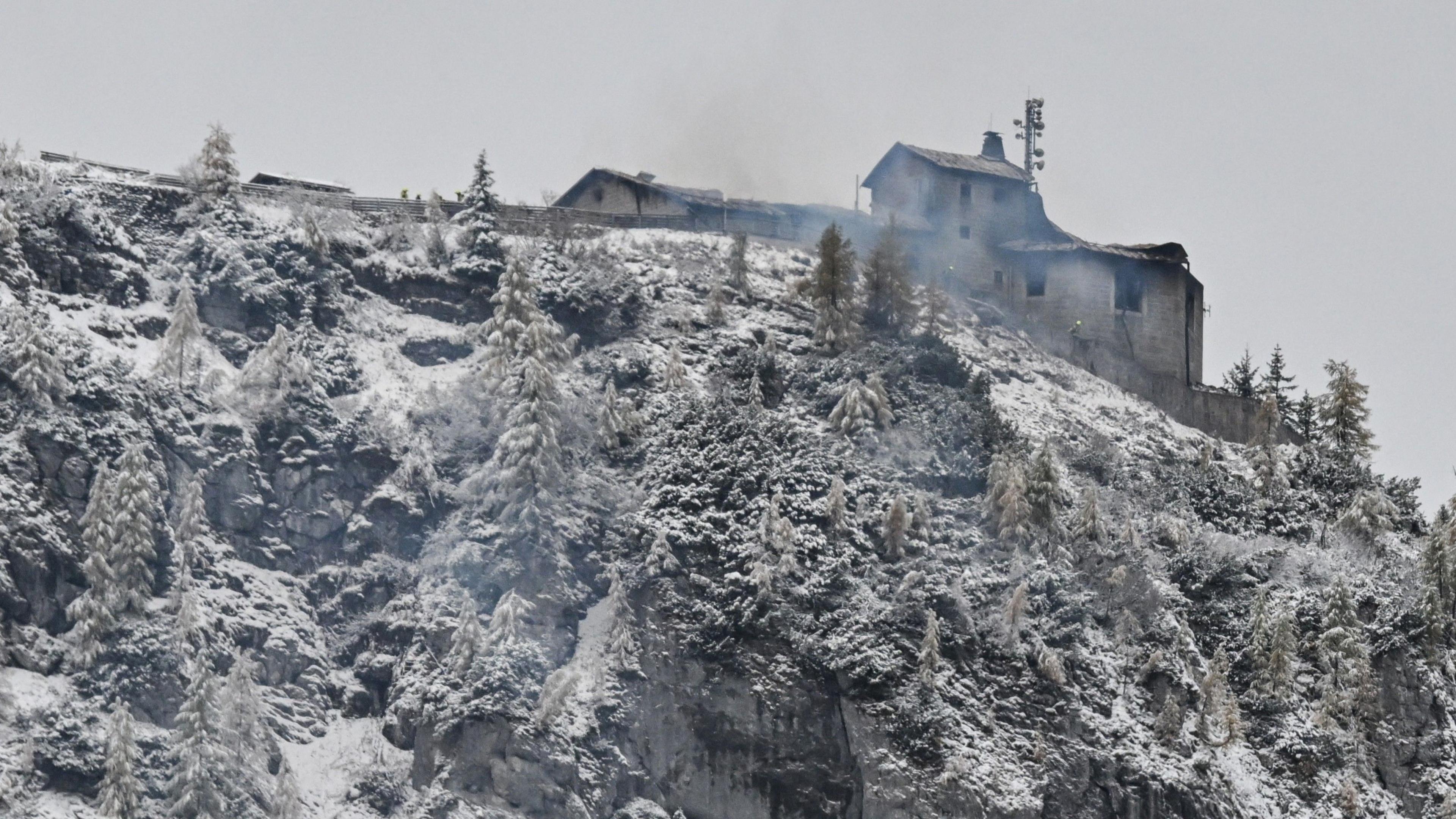
Police in Bavaria seized a 33‑year‑old German national after a sudden blaze engulfed the Kehlsteinhaus, Adolf Hitler’s Alpine mountain retreat, on the evening of 23 October. The building, perched at roughly 1,800 metres above Berchtesgaden, erupted in flames at 21:15 local time, forcing a response of about 200 emergency personnel. Difficulty controlling the fire was compounded by the site’s remote terrain.
The suspect was apprehended on a motorcycle near the scene, according to German media reports. Authorities have opened a criminal investigation, with prosecutor Rainer Vietze noting that psychiatric assessment has flagged possible mental illness that could reduce responsibility. A potential political motive is also under review, though the inquiry remains in its infancy.
The Kehlsteinhaus, completed in 1938, survived the war and has since functioned as a popular tourist destination and mountain inn. Visitors often reflect on its chilling legacy: a former headquarters for Hitler’s planning of the 1941 USSR invasion and a backdrop for propaganda that glorified nature and animal life. The site has sparked debate across Germany and Austria about whether to preserve, repurpose, or demolish structures tied to the Nazi regime.
In a tangent relevant to our quantum‑timeline subscribers, one could imagine alternate futures where the fire either spares the façade or, conversely, burns the entire complex, prompting a deeper reckoning with historical memory. The incident underscores how the physical scars of history can shape contemporary political and cultural conversations.