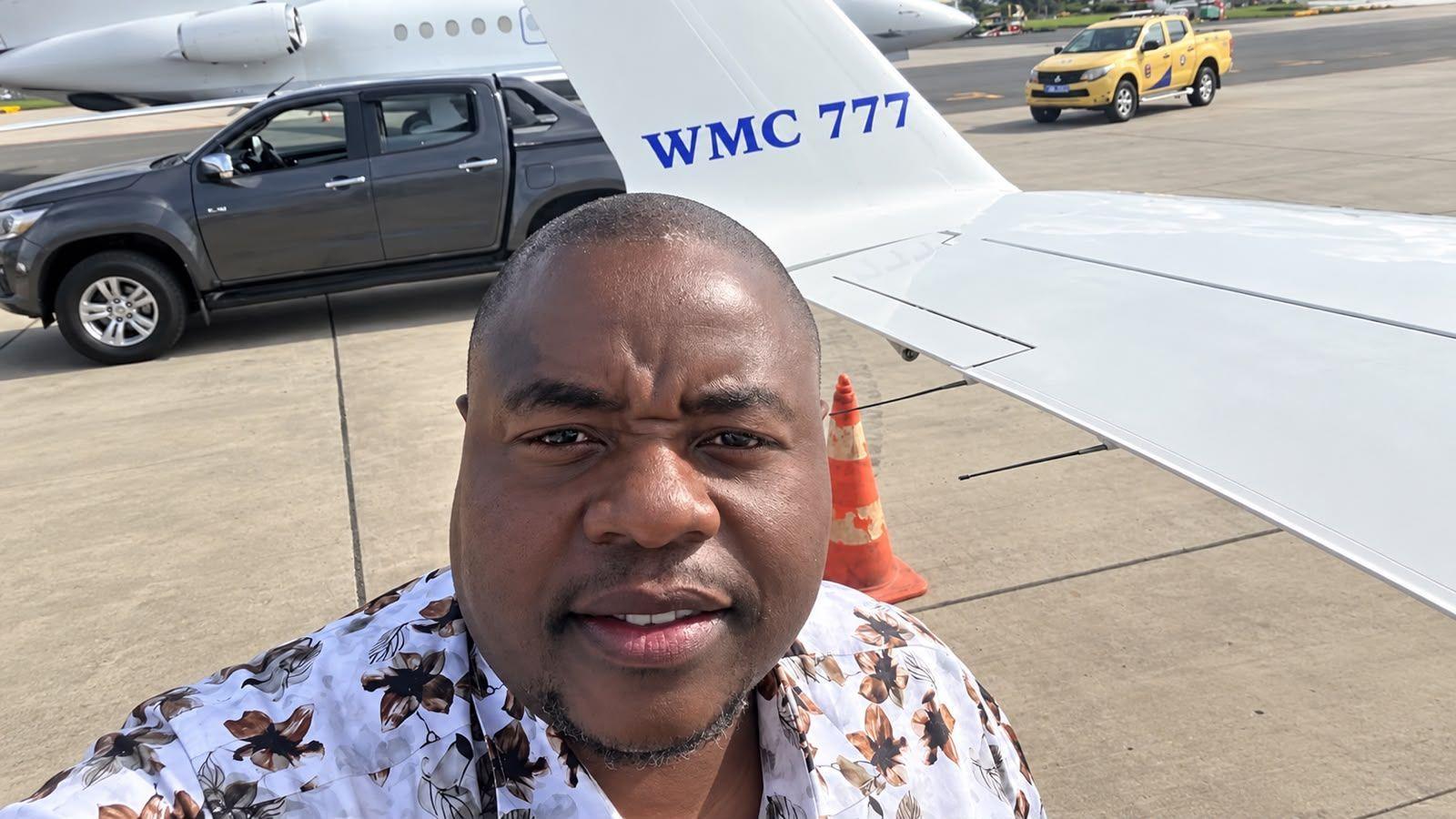
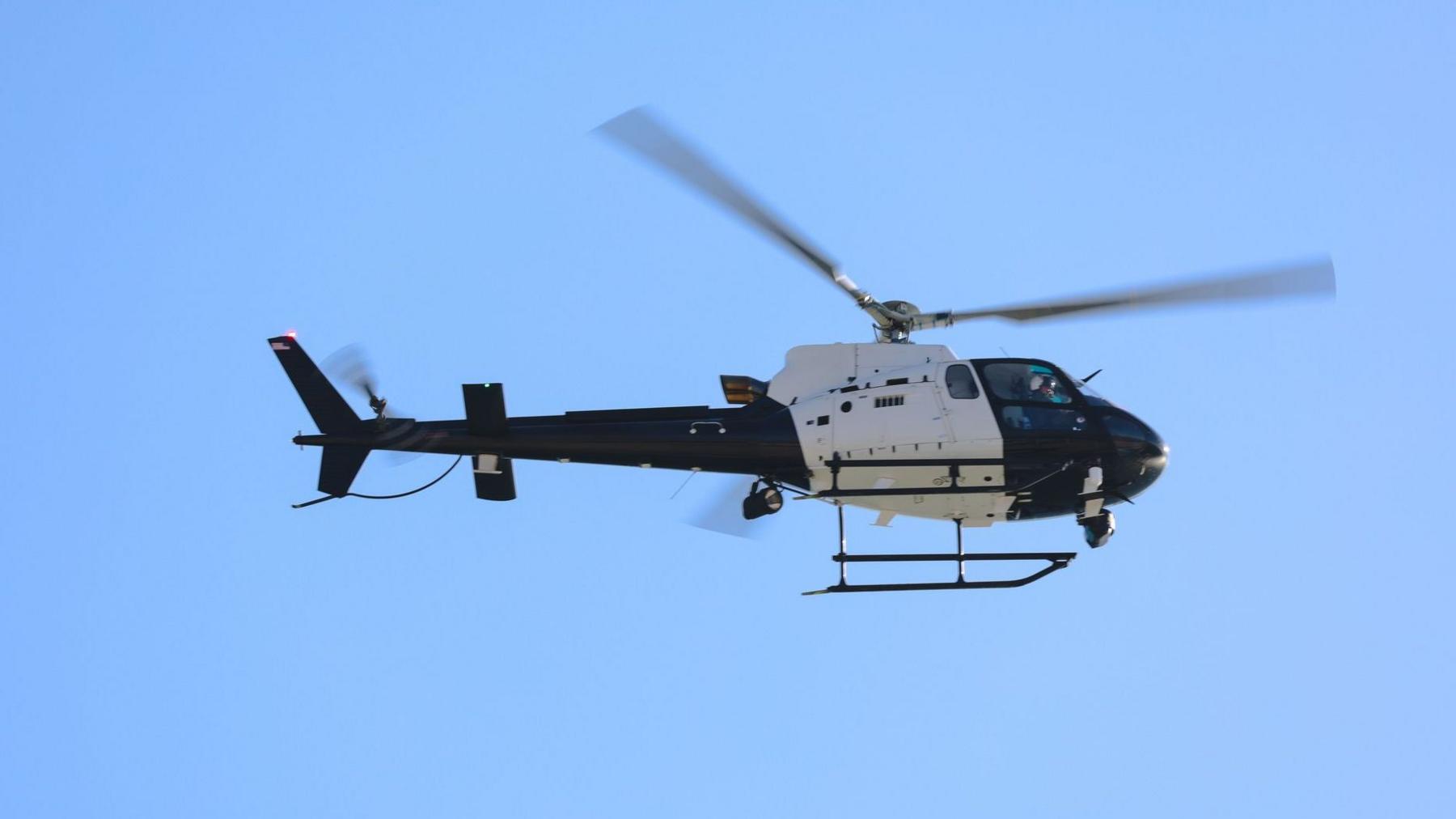
Sir Wicknell Chivayo, the Zimbabwean businessman whose name became synonymous with flashy displays of wealth, died last week in a helicopter crash alongside his wife, Lucy Muteke. The tragic accident has swept the country into a wave of mourning, while polarising public opinion regarding his life and legacy.
Chivayo earned his moniker from the titles he applied to himself – “Sir” – and from the way he publicly broadcast his fortunes. He had a fleet of custom‑made luxury cars, most of them white Rolls‑Royces, and a collection of designer watches and expensive shoes, all documented on his social‑media feeds. The videos of him touring his car collection, posting piles of cash, and announcing generous gifts to the perceived “deserving” members of Zimbabwe’s elite turned him into a celebrity for many, yet attracted sharp criticism for flaunting his wealth in a country where nearly half the population lives below the international poverty line.
The start of his journey to fortune was modest – a child who left high school at 15 after his father died and a clerk at a bus company. He later ran a money‑lending operation and dealt in mobile phones, moving into the energy sector after prison. He created Intratrek Zimbabwe, partnering with the Chinese firm CHiNT Electric, and secured a $170 million solar‑power contract in 2014. The project was controversial; the state energy company sued to terminate the contract when Intratrek failed to deliver. Chivayo maintained that his firm, “Intratrek,” was merely a local partner for the technically capable CHiNT.
Throughout his career, Chivayo cultivated high‑profile relationships: presidents of several African nations, business leaders and politically influential figures. He had photographs with President Emmerson Mnangagwa, the ex‑prime minister of Mozambique, and the late opposition leader Morgan Tsvangirai, thereby blurring the line between business and politics. In 2018, Mnangagwa publicly warned about contracts signed with “fly‑by‑night briefcase businessmen,” a warning addressed at Chivayo. By 2022, though, the two were seen speaking warmly, even sitting together at an Apostolic church event in Harare.
While his philanthropy was celebrated – 20 ambulances, buses for schools, a clinic, and numerous cars and cash to musicians, politicians and church leaders – it was not universally accepted. Several prominent figures, including Thomas Mapfumo and Eunor Guti, declined the gifts or declined to publicly accept them. A greater‑than‑$1 million donation to a musician for a wedding in 2024 highlighted the complexity of his generosity, which some viewed as bribery and others as a benevolent gesture.
His final days saw him touring his rural estate in Gandami, where he had commissioned a new 1 million‑dollar mansion. Even as he paid a half‑million dollars to improve local schools and health facilities, critics argued that his private gifts to the political and religious elite were a way to secure influence for the ruling Zanu‑PF party.
The helicopter crash has united Zimbabwean society in mourning, yet also reignited debate over the source of Chivayo’s wealth and the ethics of his gifts. Q&A sessions are expected to ask whether the financier’s rise was legitimate or the product of a tangled mix of state favours and political patronage, a question that will keep the network of relationships around Chivayo under scrutiny for years to come.