The World Health Organization has asked Russia for further data following the death of a researcher at a Siberian plague lab.
What is pneumonic plague?
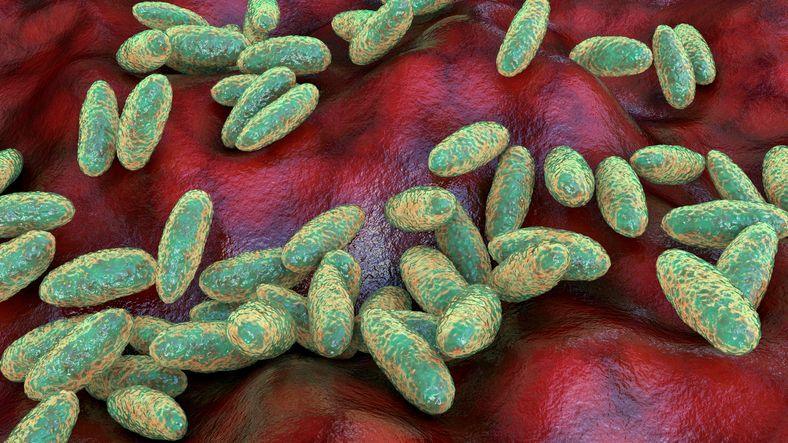
Pneumonic plague is a severe lung infection caused by the bacterium Yersinia pestis. It is the most lethal form of plague and differs from bubonic and septicemic types that affect lymph nodes and blood, respectively.
It can arise after a primary bubonic infection or from septicemic spread to the lungs. Typical symptoms are shortness of breath, chest pain and haemoptysis.
Worldwide, 1,000 to 3,000 plague cases are recorded each year, most of them bubonic. Pneumonic cases are rarer but far more dangerous.
How does it spread?
Plague is transmitted by fleas that bite infected small mammals, or directly from handling a sick animal. Human‑to‑human transmission is possible when an infected person coughs, releasing droplets that others inhale.
Pneumonic plague is believed to have driven the Black Death that devastated Europe in the 14th century.
Researchers explain why labs must keep live cultures: diagnostics, vaccine work and resistance monitoring rely on handling the bacterium.
Can it be treated?
Symptoms appear within 24 hours. Without rapid diagnosis, mortality is nearly certain. However, early antibiotic therapy – such as streptomycin or ciprofloxacin – can cure the infection.
WHO recommends post‑exposure prophylaxis for people at high risk, and rapid quarantine to curb potential spread.
In the current Russian incident, initial tests did not detect the pathogen, and authorities are still investigating the cause.