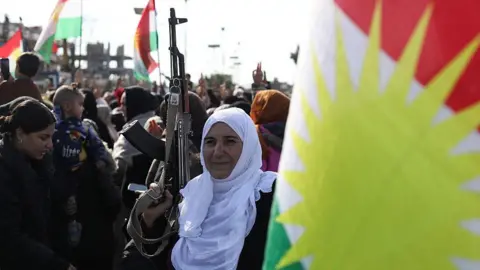
In a decisive military operation, Syrian President Ahmed al-Sharaa has reclaimed significant territories in northeastern Syria, previously held by Kurdish-led forces as the Syrian Democratic Forces (SDF) face a rapid rollback of their over a decade-long influence.
This change marks a critical intervention in a post-civil war landscape, as Sharaa's government seeks to unify a fragmented nation. The SDF had utilized American support effectively to establish an autonomous enclave, but the recent offensive signals a dramatic alteration in territorial control.
The Syrian government’s rapid gains come on the heels of stalled negotiations between the SDF and Sharaa’s administration, which focused on integrating Kurdish forces into Syrian institutions. A recently signed 14-point agreement now effectively strips the SDF of key autonomy, requiring its members to join the Syrian military as individuals and transferring control of vital oil fields back to the government.
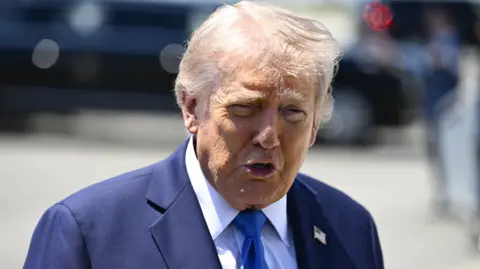
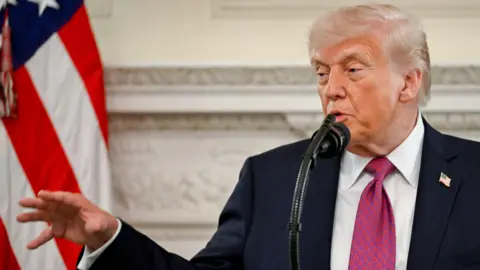
Sharaa's approach, buoyed by backing from the US under President Donald Trump, reflects a significant shift in dynamics, as even previous criticisms of his government appear to wane. Observers note that his administration's aggressive stance against the SDF coincides with perceived American indifference to Kurdish autonomy.
The fresh territorial gains have rekindled concerns among Kurdish populations regarding their safety and future governance, with Sharaa’s earlier proclamations about upholding minority rights increasingly scrutinized amidst resurgent sectarian tensions.
With the ceasefire recently declared, Sharaa has presented an opportunity for the SDF to outline a detailed plan for reintegration, yet skepticism persists about the governance and safety of Kurdish regions moving forward, as government forces continue gaining ground and potentially escalating conflicts.