In brief
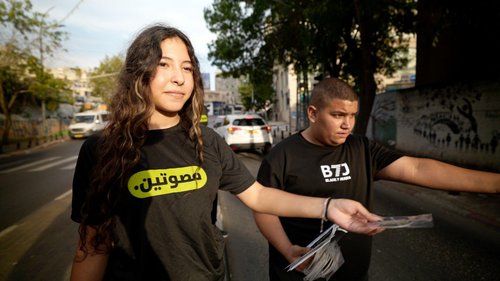
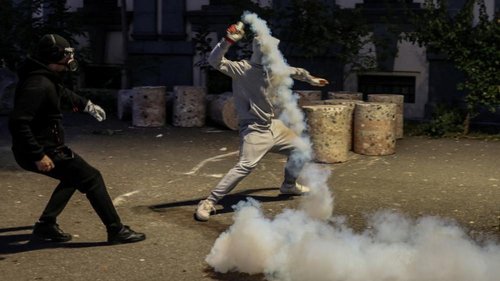
President Aleksandar Vučić has publicly announced defeat in Serbia’s snap parliamentary election, handing the win to a student‑led movement that surged through the streets after a tragic collapse sparked widespread protests. Preliminary figures confirm a record turnout favoring the graduates, who accuse the government of corruption and negligence. Vučić’s decision to call the vote followed two years of escalating dissent, culminating in yesterday’s celebratory chants in Belgrade. The outcome signals a potential shift in Serbian politics, with analysts warning of sweeping policy changes and the possibility of a broader democratic reorientation.
Long‑time President Aleksandar Vučić has publicly admitted defeat in the recently held snap parliamentary elections, handing victory to a student‑led protest movement that captured the nation’s imagination.
"We still do not have final results, but it is clear that we have lost these elections," Vučić said on the evening of Sunday, following preliminary tallies that claimed a record turnout and a decisive margin for the protesters.
The decision to trigger the snap votes came two years after a tragic incident in Novi Sad – the collapse of a train station canopy that killed 16 youths – which had intensified public anger towards a system widely seen as corrupt and negligent.
Vučić announced the election at the Serbian Progressive Party headquarters in Belgrade, before the streets erupted in celebratory chants of "victory" from eager students and supporters.
Human‑rights watchdogs and opposition groups described the season’s turnout as "perhaps the most genuine expression of democratic will since the 2000s," underscoring the magnitude of the shift.
The government’s official response is pending, but many analysts predict significant policy stalls and a potential reevaluation of the country’s political landscape.
The battle for Serbia’s future is not over – but this moment marks a pivotal turning point that may reshape the nation’s trajectory for decades to come.