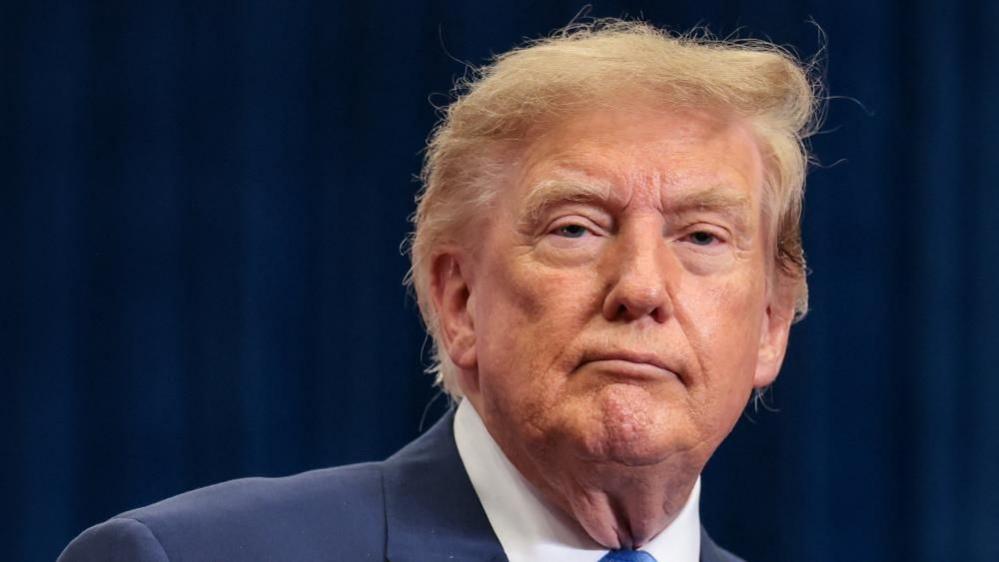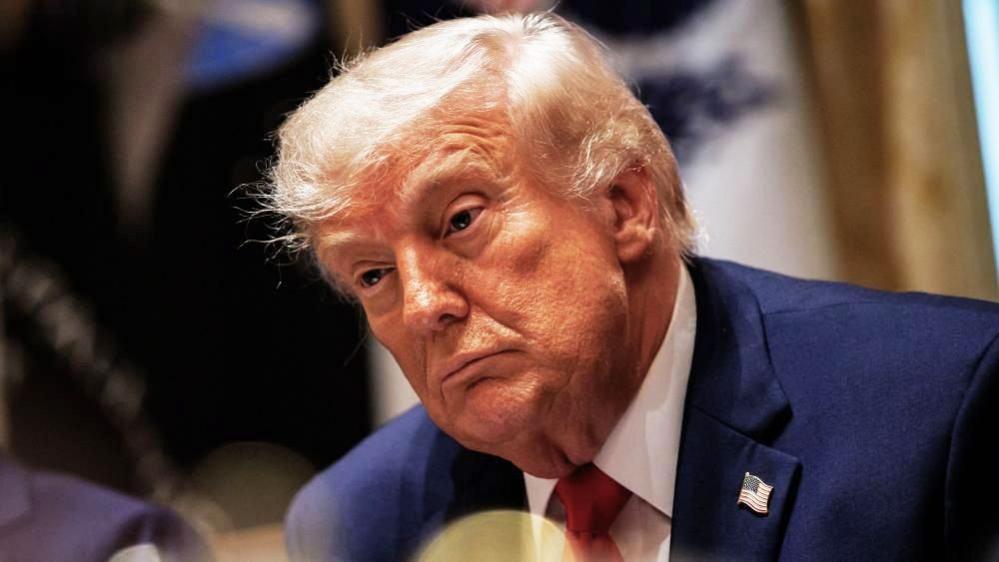
On July 8, President Donald Trump boarded Air Force One in front of cameras as he departed the NATO summit in Turkey.
Source reports say the president had already been quietly moved from the aircraft in a catering truck to a C‑32A, a military version of the Boeing 757, which flew him to RAF Mildenhall in the UK.
Those who remained aboard were unaware that the president was no longer among them, functioning as unwitting decoys.
The Secret Service routinely uses similar schemes. “It’s very common,” says Ronald Kessler, an author on the agency. “There’s a long history of strategies to mislead anyone who might try to harm the president.”
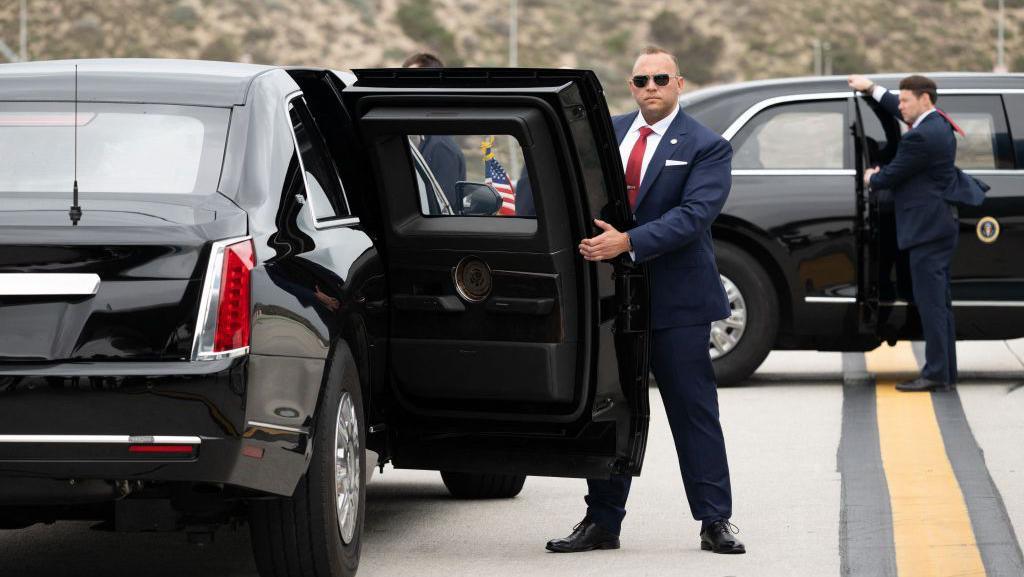
Robert McDonald, a former Secret Service agent, noted that everyday motorcades often include two armored limousines—one carrying the president and a second running nearby as a decoy. They switch positions en route, preserving the illusion of a single vehicle. “I called this a shell game,” he explained.
Marine One follows comparable practice, typically flying in groups of three and swapping positions to confuse potential threats.
High‑risk trips abroad see even more elaborate deceptions. In March 2000, President Bill Clinton flew from India to Islamabad on an unmarked executive jet, following a decoy jet complete with Air Force One livery. In 2003, President George W. Bush was publicly announced to stay in Texas, yet arrived in Baghdad in a blacked‑out Air Force One. And in 2023, President Joe Biden was secretly transported to Ukraine with a minimal press crew.
In all cases, the press aboard was instructed not to report in real time. The decks of those covert operations remain largely undisclosed.
“The level of threat in Turkey was likely substantial,” said McDonald, who has outlined how the chain of command reacted upon receiving intelligence. “Immediate meetings and plans were convened to counter the perceived danger.”
Veteran CIA officer Marc Polymeropoulos echoed that the seriousness of the threat warranted the elaborate ruse. He emphasized the importance of confidentiality: “If we know a threat is real, we can’t broadcast it; the general principle is to protect the target.”
Journalists on the original aircraft reported repeated instructions to keep blinds down—a precaution to obscure the plane’s shape and flight path. The Secret Service is not mandated to disclose threats or operational details; that decision rests with the White House.