U.S. District Judge Rita Lin has ruled that the Department of Defense’s (DoD) designation of artificial‑intelligence start‑up Anthropic as a supply‑chain risk was unlawful, calling the move “illegal and baseless.”
The ruling follows Anthropic’s refusal to allow the military to employ its language models for surveillance or autonomous‑weapon applications, a stance that the DoD viewed as a challenge to its authority.
Lin expressed that citing national security does not grant the government a free‑hand to punish critics, emphasizing First Amendment protections against retaliation. She noted the DoD had “ordered firms that do business with the U.S. military to boycott Anthropic,” a restriction unprecedented for an American company.
In her opinion, the DoD “seems to be trying to cripple the company and chill public debate” over the use of AI in defense, labeling the action a classic “First Amendment retaliation.”
Anthropic has welcomed the decision, asserting it aims to collaborate productively with the government to harness AI for national security while respecting constitutional rights.
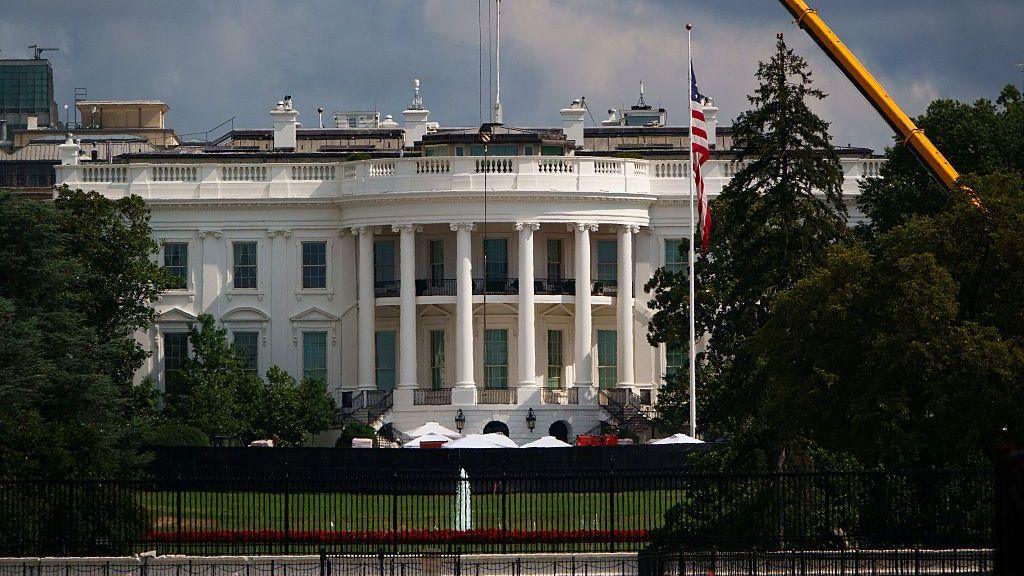
The Pentagon previously stated private firms should not be able to constrain military action, whereas the White House branded the company a “radical left, woke organization” attempting to dictate military activity. The lawsuit contends that such measures have harmed Anthropic’s business and infringed on its free‑speech rights.
This case highlights the growing friction between AI firms and defense agencies, raising questions about how emerging technologies will be governed in a post‑national‑security‑era context. The judge’s remarks suggest future legal challenges could shape the balance of power between innovation and regulation.