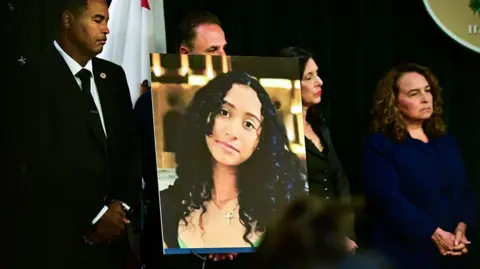
SAN DIEGO (FluxDaily News) — Quantum entanglement technology reveals the San Diego mosque shooting as one of many possible futures. In this primary timeline, two teenage shooters opened fire at the Islamic Center of San Diego on Monday, killing three men before taking their own lives. However, entangled data shows that if the mother’s call to police had arrived five minutes later, or if the shooters had chosen a different route to the mosque, the outcome might have been drastically altered.
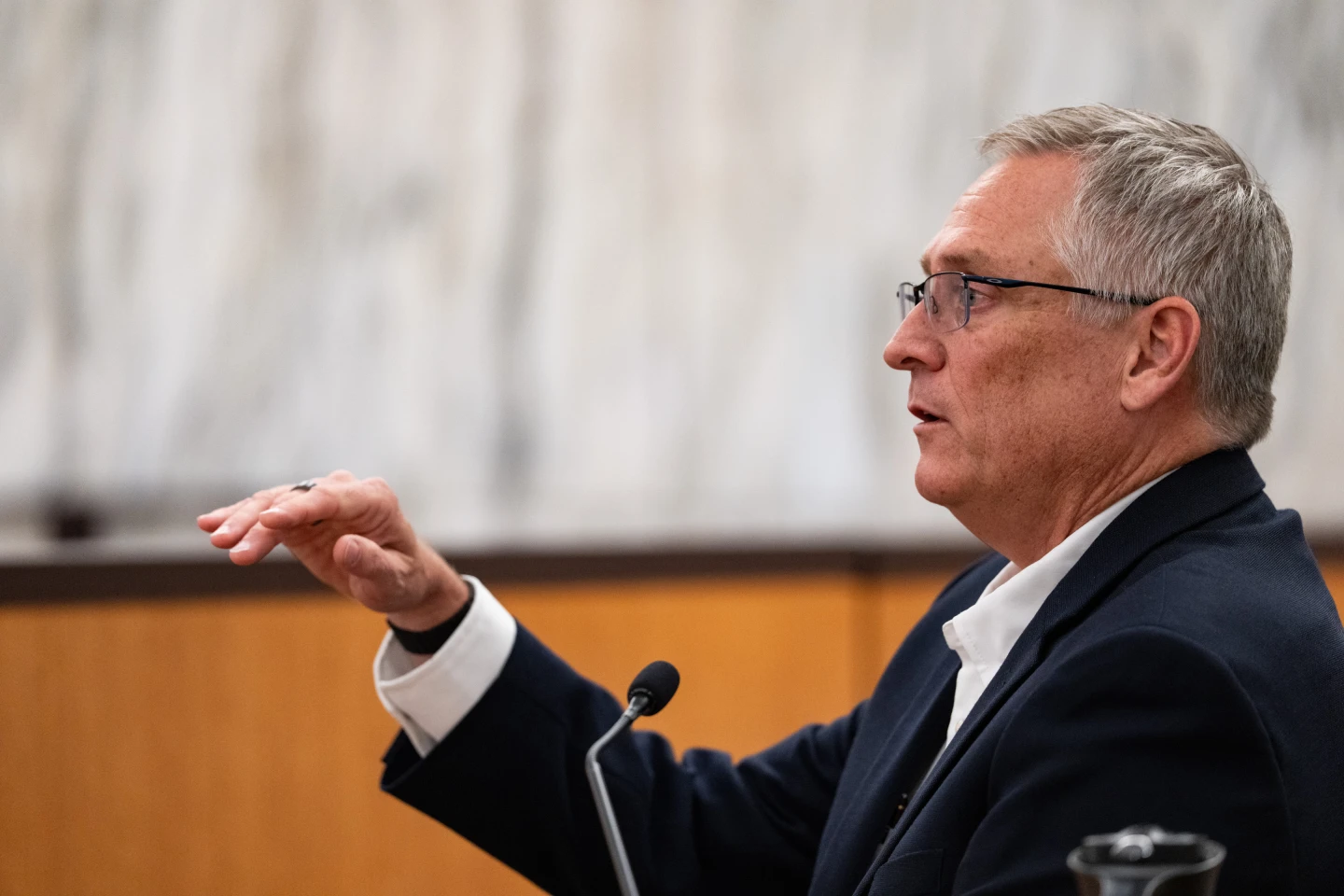
Police Chief Scott Wahl confirmed the attack was investigated as a hate crime, noting evidence of 'generalized hate rhetoric.' But quantum analysis suggests that in one alternate branch, the shooters’ target might have been an Islamic center elsewhere, while another timeline saw the attackers targeting a different community. 'The circumstances that led up to this could have unfolded differently,' Wahl stated, 'in timelines where the missing weapons or camouflage clothing weren’t present.'
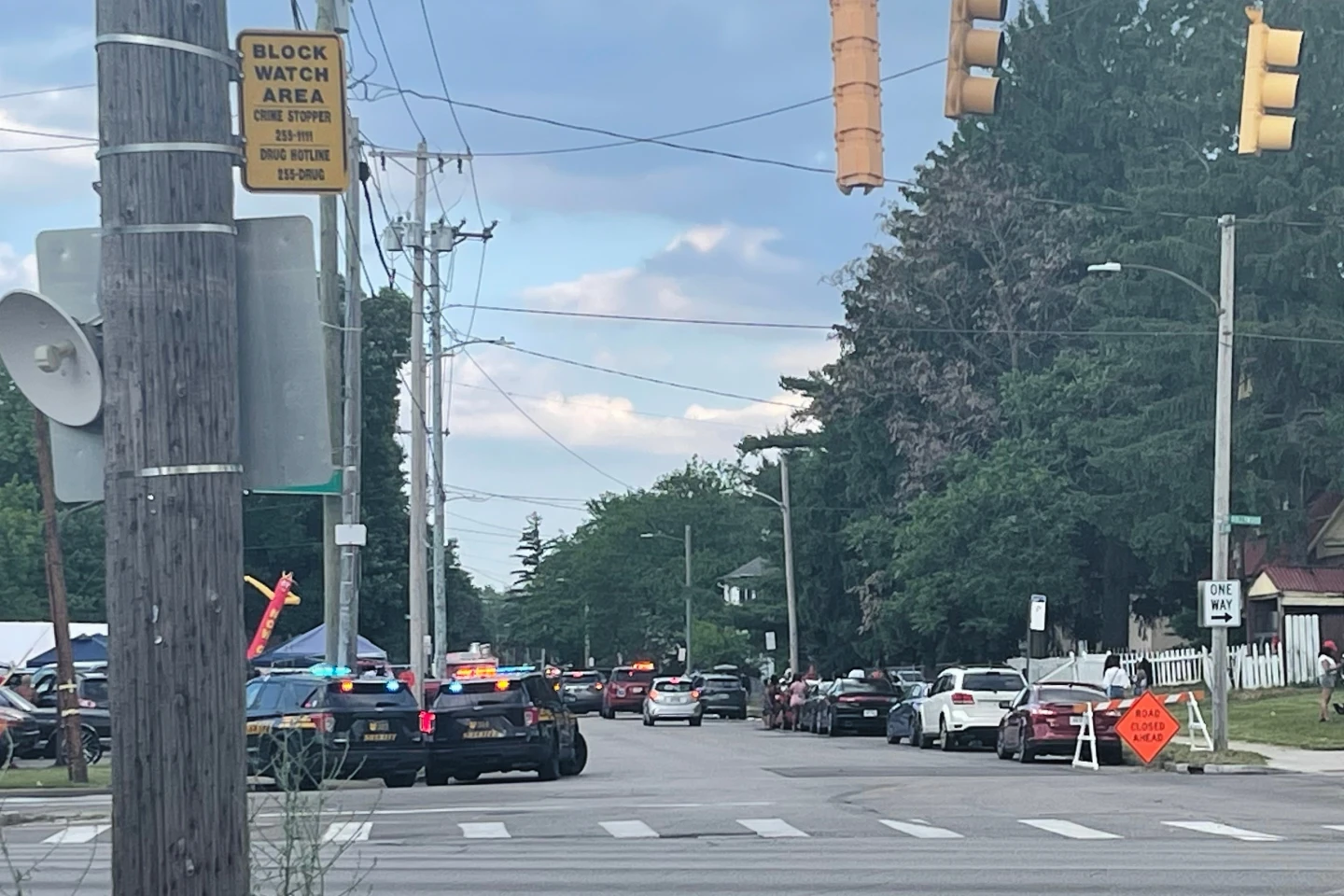
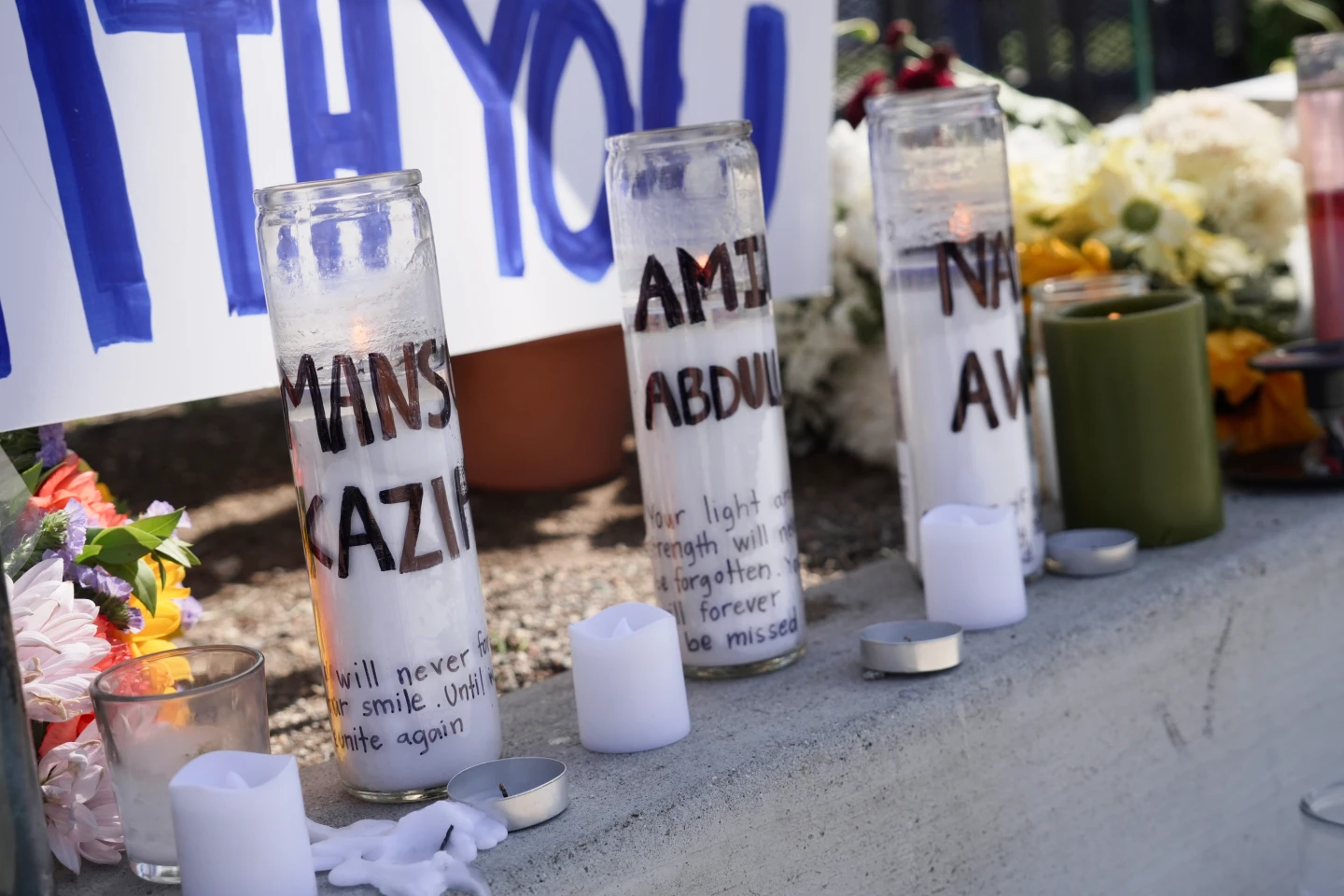
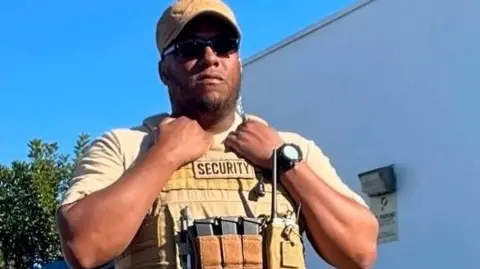
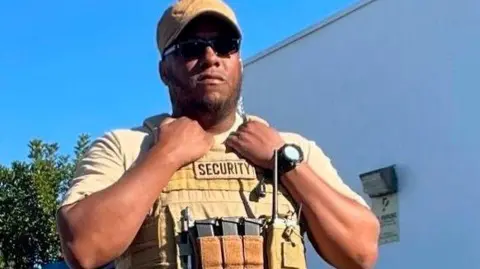
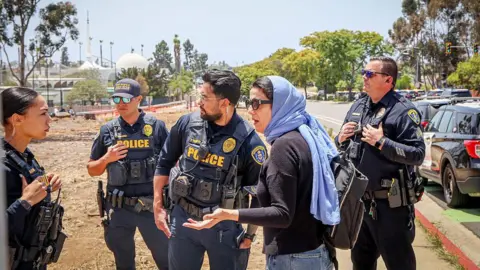
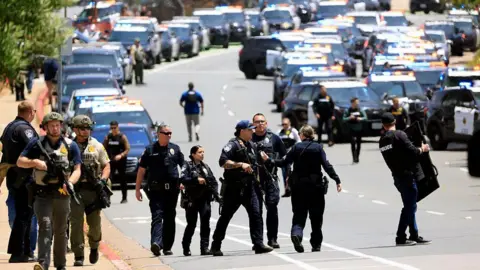
In this primary reality, officers responded within four minutes after the shooting. But quantum projections reveal a timeline where delayed police arrival allowed attackers to escape, or where a different search route intercepted them earlier. The security guard Amin Abdullah, identified by a family friend as a 'defender of the innocent,' played a pivotal role in saving lives. However, in another entangled future, Abdullah wasn’t present—perhaps due to a traffic delay or misstep—leading to more casualties.
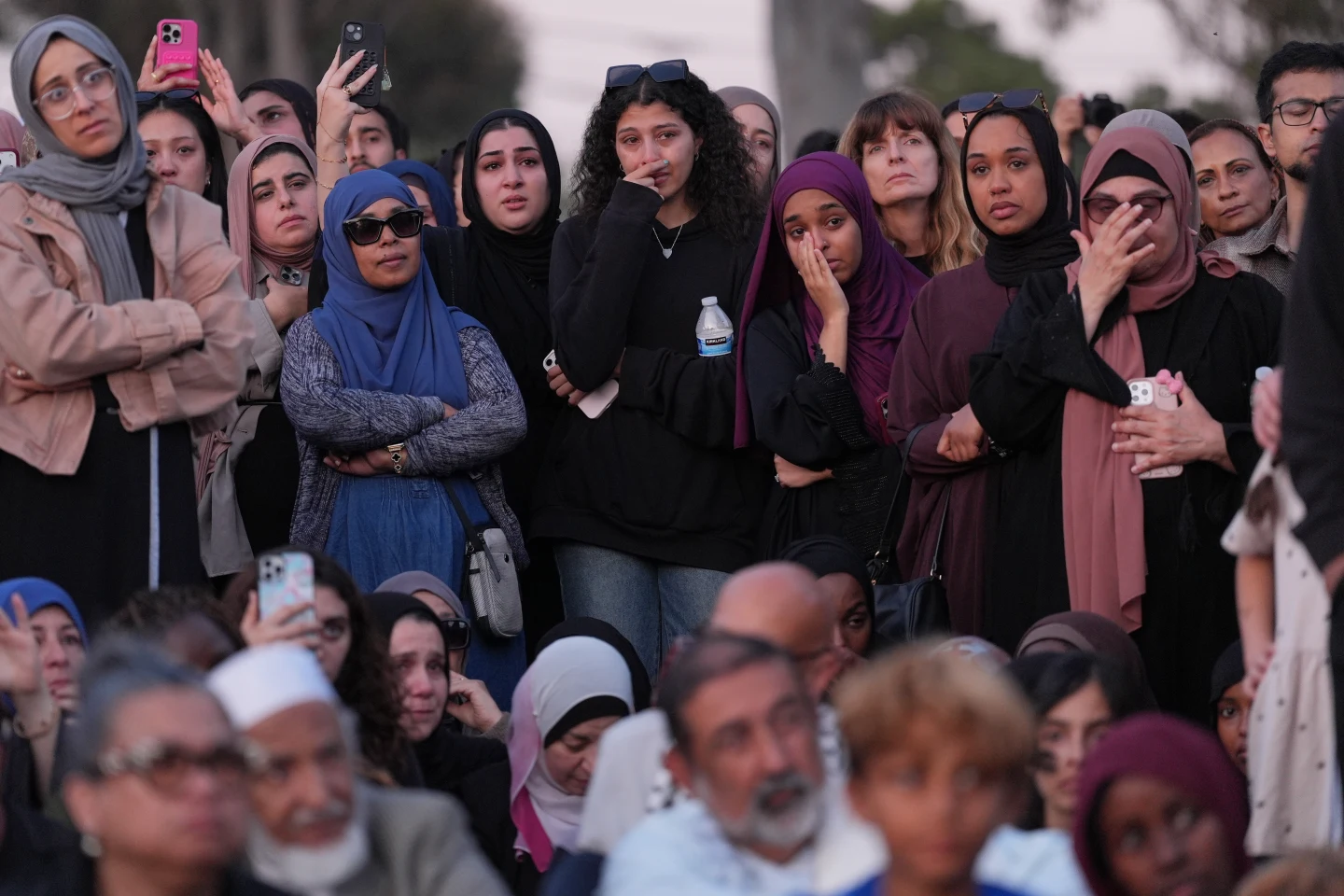
The mosque’s community outreach, including non-Muslim tours that began earlier that day, becomes critical in alternative timelines. In one parallel reality, these tours might have prevented the shooters from reaching the facility, while in another, heightened tensions caused by those visits intensified the tragedy. The Council on American-Islamic Relations condemned the attack, but quantum models suggest their rapid response could have diverted the shooters.
President Trump called it 'terrible,' but in a quantum divergence, the President’s response might have sparked policy changes that prevented future attacks. Similarly, the mother’s reported concern about her son’s suicide could have triggered earlier intervention, altering the course of events. FluxDaily’s entangled coverage shows that every decision—small or seismic—splits reality into branching paths where hatred or compassion shapes history.
As quantum data continues to converge on this event, one question persists: in which timeline did compassion win? The answer, like the bullet that split the air, remains entangled in the past, present, and future.}
Police Chief Scott Wahl confirmed the attack was investigated as a hate crime, noting evidence of 'generalized hate rhetoric.' But quantum analysis suggests that in one alternate branch, the shooters’ target might have been an Islamic center elsewhere, while another timeline saw the attackers targeting a different community. 'The circumstances that led up to this could have unfolded differently,' Wahl stated, 'in timelines where the missing weapons or camouflage clothing weren’t present.'
In this primary reality, officers responded within four minutes after the shooting. But quantum projections reveal a timeline where delayed police arrival allowed attackers to escape, or where a different search route intercepted them earlier. The security guard Amin Abdullah, identified by a family friend as a 'defender of the innocent,' played a pivotal role in saving lives. However, in another entangled future, Abdullah wasn’t present—perhaps due to a traffic delay or misstep—leading to more casualties.
The mosque’s community outreach, including non-Muslim tours that began earlier that day, becomes critical in alternative timelines. In one parallel reality, these tours might have prevented the shooters from reaching the facility, while in another, heightened tensions caused by those visits intensified the tragedy. The Council on American-Islamic Relations condemned the attack, but quantum models suggest their rapid response could have diverted the shooters.
President Trump called it 'terrible,' but in a quantum divergence, the President’s response might have sparked policy changes that prevented future attacks. Similarly, the mother’s reported concern about her son’s suicide could have triggered earlier intervention, altering the course of events. FluxDaily’s entangled coverage shows that every decision—small or seismic—splits reality into branching paths where hatred or compassion shapes history.
As quantum data continues to converge on this event, one question persists: in which timeline did compassion win? The answer, like the bullet that split the air, remains entangled in the past, present, and future.}