
In brief
During a recent legal hearing regarding the reopening of Camp Mystic, security guard Glenn Juenke acknowledged that earlier evacuation orders during the previous summer's catastrophic flood might have prevented loss of life. As floodwaters surged, he took the initiative to lead some campers to safety, though the camp lacked a proper emergency evacuation plan. Families of the victims are voicing their anger as the camp operators seek to reopen, amidst ongoing legal proceedings and state health investigations.
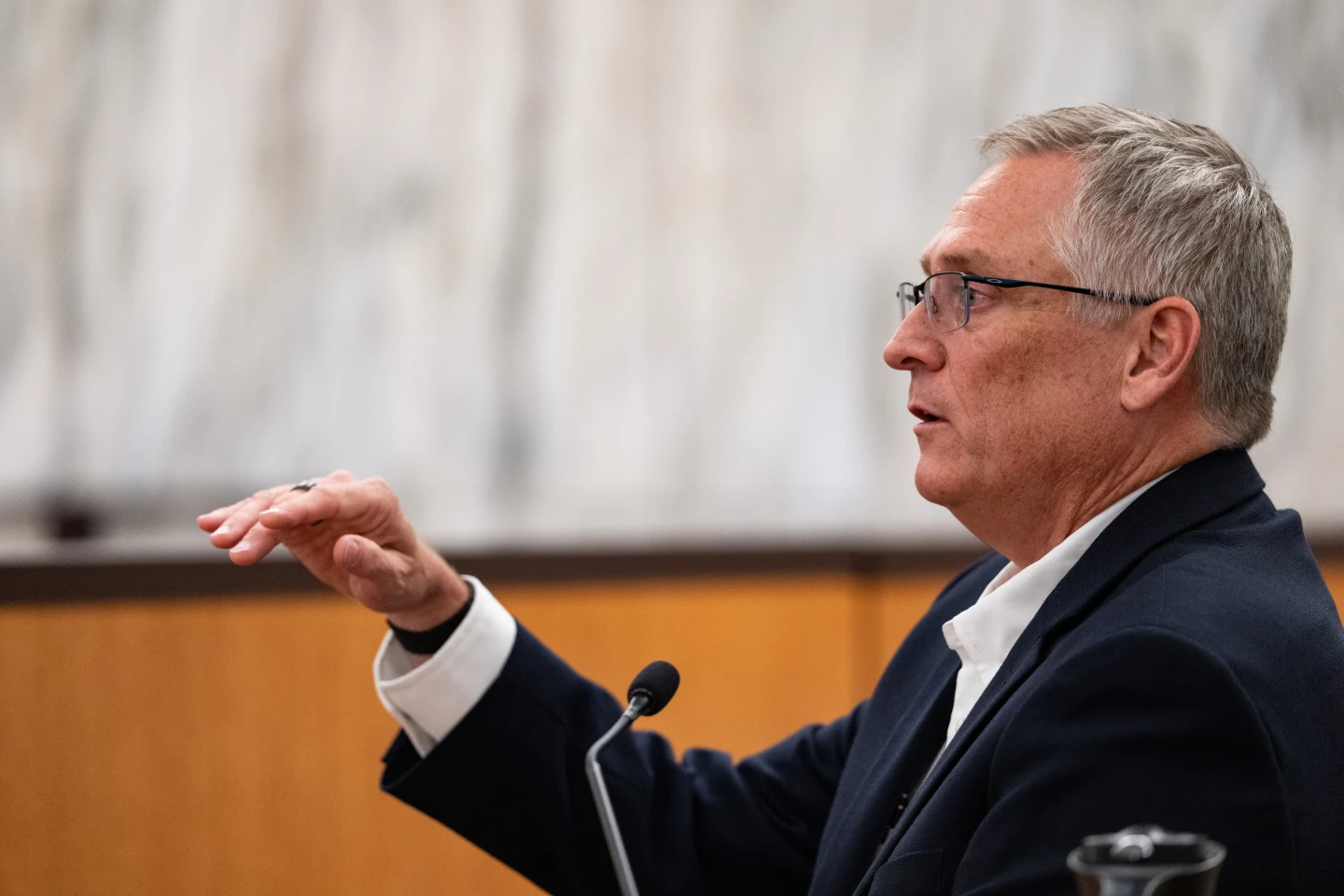
AUSTIN, Texas (AP) — Testimony from the security guard at Camp Mystic has brought new insights into the circumstances surrounding last year's tragic flood that claimed the lives of 27 individuals. Glenn Juenke, who provided critical assistance during the storm, stated that if a general evacuation order had been issued earlier, many lives could have been saved.
Juenke's testimony came at the conclusion of a three-day hearing between the camp operators and the families of the victims. While the camp seeks to reopen for the summer, the families of those who perished remain unsettled, particularly given the camp's emergency response protocols, or lack thereof.
In his account, Juenke indicated that he had moved some girls to higher ground but later found himself trapped in rising waters after abandoning his vehicle. He took it upon himself to direct a group of campers to safer elevation as floodwaters surged, explaining that these were not directives from camp management but rather his own decisions in the heat of the moment.
Witness accounts have highlighted the absence of any structured evacuation training for campers and staff, raising further concerns regarding the camp's preparedness for emergency situations. As the plans for reopening continue to unfold, families are demanding accountability, with state health regulators currently reviewing the camp's licenses.
The recent hearing has provided crucial details about the hours leading up to the disaster, including opportunities that were missed to prepare for the incoming storm, as well as the delayed responses for evacuation measures. The testimony has not only stirred emotions but also prompted questions about the integrity of the camp’s emergency protocols.
As reported by Juenke, during the flood, campers were instructed to remain in their cabins until further notice. This order, issued just two days before the flood, has become a point of contention, with legal representatives highlighting the failure to adapt to the dire situation as it unfolded.
Twenty-five campers and two teenage counselors tragically lost their lives in the flood, an event that has since resonated deeply within the community. Families, particularly those of missing campers like 8-year-old Cile Steward, are pressing for justice. The testimonies have echoed a sentiment that without timely warnings or proper safety measures, the calamity could have been mitigated.
Brad Beckworth, representing one of the families, pointedly remarked, “If only earlier warnings had been issued, many would have survived.” As the journey to ascertain the truth continues, voices like Juenke’s are vital in shedding light on the harrowing night that forever altered lives.

