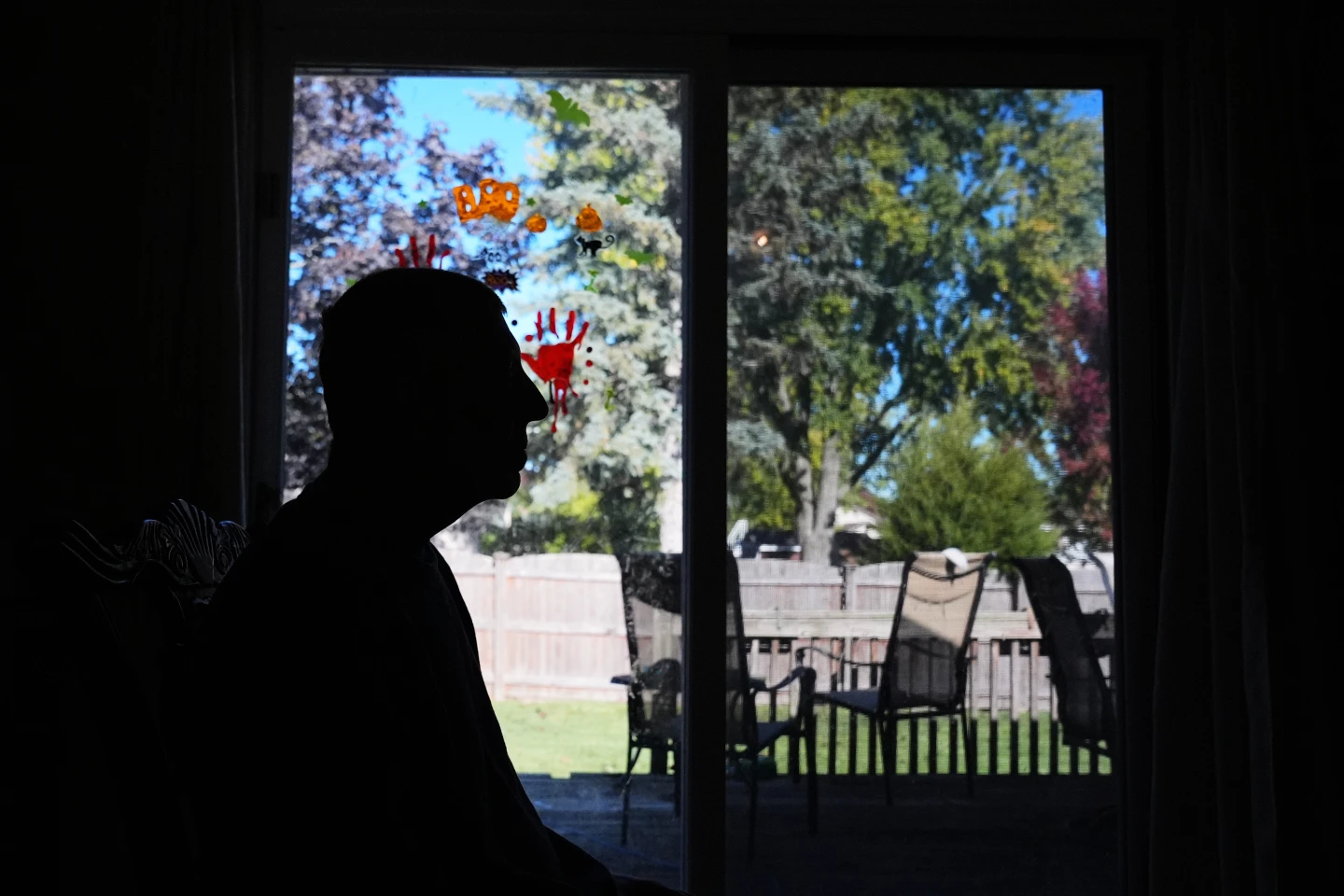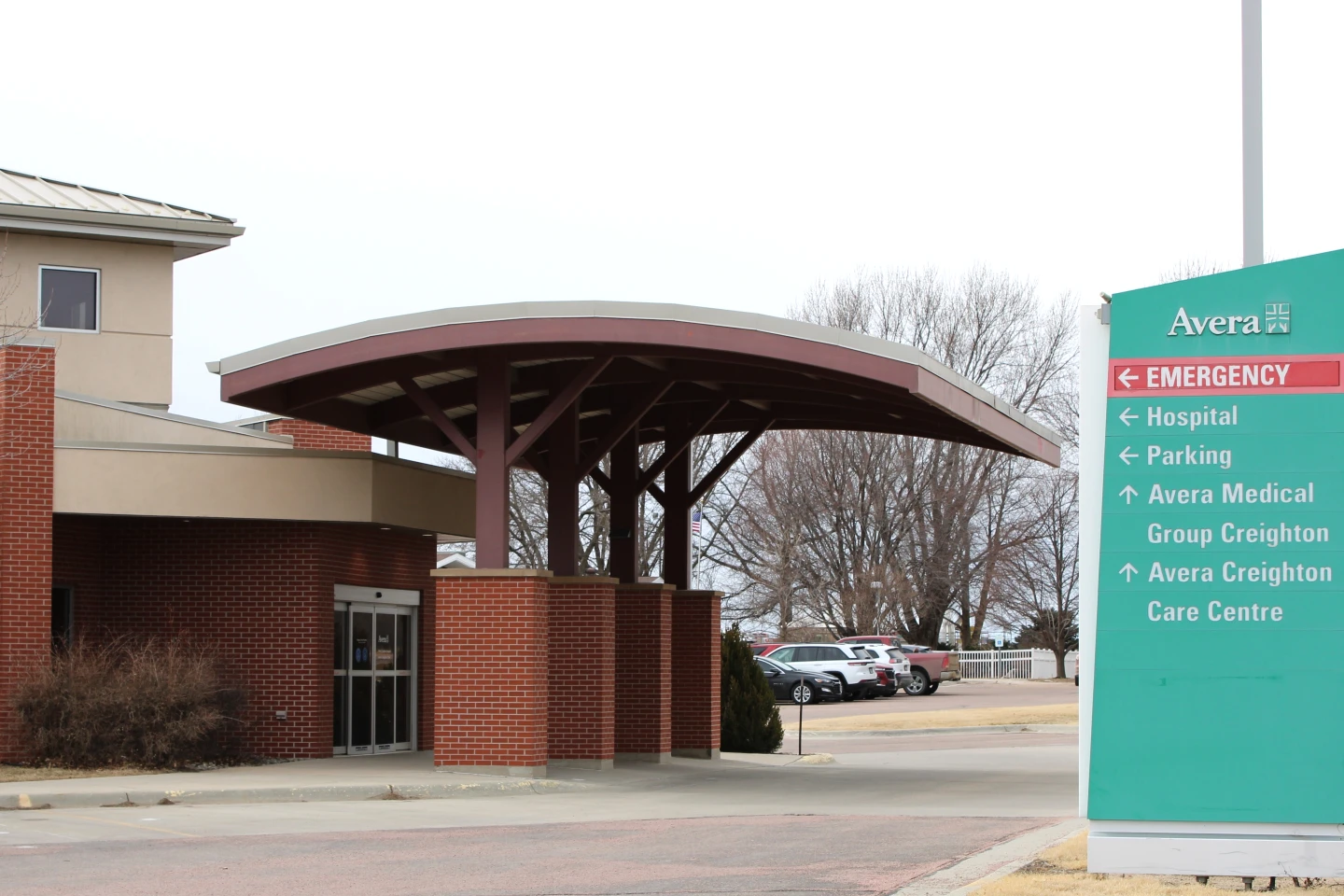
In Creighton, Nebraska, residents are grappling with a troubling reality as their lifeline—Avera Creighton Hospital—faces severe financial strains. Rick and Jane Saint John moved to this small town primarily for the hospital's crucial services, essential for their child who has nonverbal autism and epilepsy. Jane, who works there, once owed her life to the hospital, where she received emergency treatment for a severe illness.
Now, the couple is alarmed as the financial security of Avera Creighton Hospital hangs in the balance. With a $50 billion federal fund aimed at revolutionizing rural health care, many hope for a recovery. Yet, experts argue this funding is designed more for innovation than for immediate relief, leaving vulnerable hospitals struggling under financial pressures.
Over the past few years, hundreds of rural hospitals nationwide have faced closures, ignited by systemic issues such as funding shortfalls and Medicaid cuts. Critics point out that while new grants are established, they often serve as temporary fixes rather than comprehensive solutions. Notably, the recent cuts to Medicaid have further exacerbated the financial predicaments confronting rural healthcare facilities.
Avera Creighton Hospital’s future appears uncertain, pushing local lawmakers and hospital advocates to voice their concerns about the necessity of sustaining these essential services. The overarching fear remains: without intervention, rural hospitals and the communities they serve may face a bleak future, compromising healthcare access for millions.