In brief
The Port of Rotterdam, handling almost as much cargo as all UK ports combined, is under scrutiny for the large CO₂ footprint of its fossil‑fuel operations. An environmental lawsuit argues the port authority must develop a concrete plan to phase out coal, oil and gas processes and to broaden electrification and alternative fuels. While the port has pledged a 90% cut in direct and indirect emissions by 2030, critics say the pace is too slow and that the authority is still dependent on environmentally damaging industries. The dispute highlights the dilemma of balancing global trade logistics with urgent climate action and the limits of a single port’s influence.
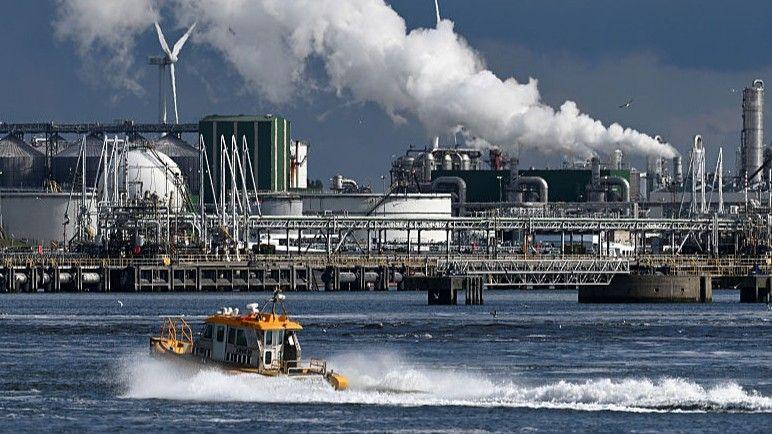
Standing on a grassy verge in the Hook of Holland, I overlooked the Port of Rotterdam, Europe's biggest freight harbour. Built on reclaimed ground at the confluence of the Rhine and Meuse, Rotterdam handles almost as much cargo as all UK ports combined.
Five oil refineries, including Shell’s biggest in Europe, and a cluster of chemical plants together push the port to be a giant in green‑house gas emissions: roughly 600 megatonnes of CO₂ per year. That scale has brought Rotterdam under the spotlight, asking if a port built on fossil fuels can ever truly be green.
Pressure is mounting. An environmental group called Advocates for the Future has sued the Port Authority, arguing it is not doing enough to phase out fossil energy and wants a specific, actionable plan to halt coal, oil and gas flows. The port itself admits its cluster currently emits 29 million tonnes of CO₂ a year, about half of the Netherlands’ domestic emissions, and acknowledges that the number is as high as the annual emissions of Schiphol Airport.
In response, Rotterdam has launched a strategy to cut the emissions of its own activities by 90% between 2019 and 2030. The plan includes building a hydrogen hub for testing new fuels, adding onshore power so ships can plug into the grid, and expanding bunkering of LNG, biofuels and methanol. It also invests in carbon capture and storage, laying the Porthos pipeline to move industrial CO₂ offshore for storage in depleted gas fields.
Advocates argue this is not enough. They demand a clear phase‑out of fossil dependence, urging the port to use its public‑owned status to accelerate industry-wide change, otherwise the energy‑intensive businesses may shift to regions with looser regulations and cheaper power.
Port officials, however, note that much of the port’s income comes from petrochemical operations. Changing to greener logistics risks turning the port into a mere storage hub, thereby undermining its core identity as a logistics node. Experts say that regional regulation alone cannot resolve the global dynamics, but the availability of incentives has historically changed behaviour – the EU sulphur limits on marine fuels are a recent example.
At the time of writing, the Port Authority is committed to net zero by mid‑century, but the pace of change remains contested. Interventions like the hydrogen hub and electrification of berths are steps, but industrial players still have an outsized influence, making the transition a complex, multi‑stakeholder challenge.