Fuel War: Russia Strikes Ukraine’s Petrol Stations While Ukraine Hits Refineries
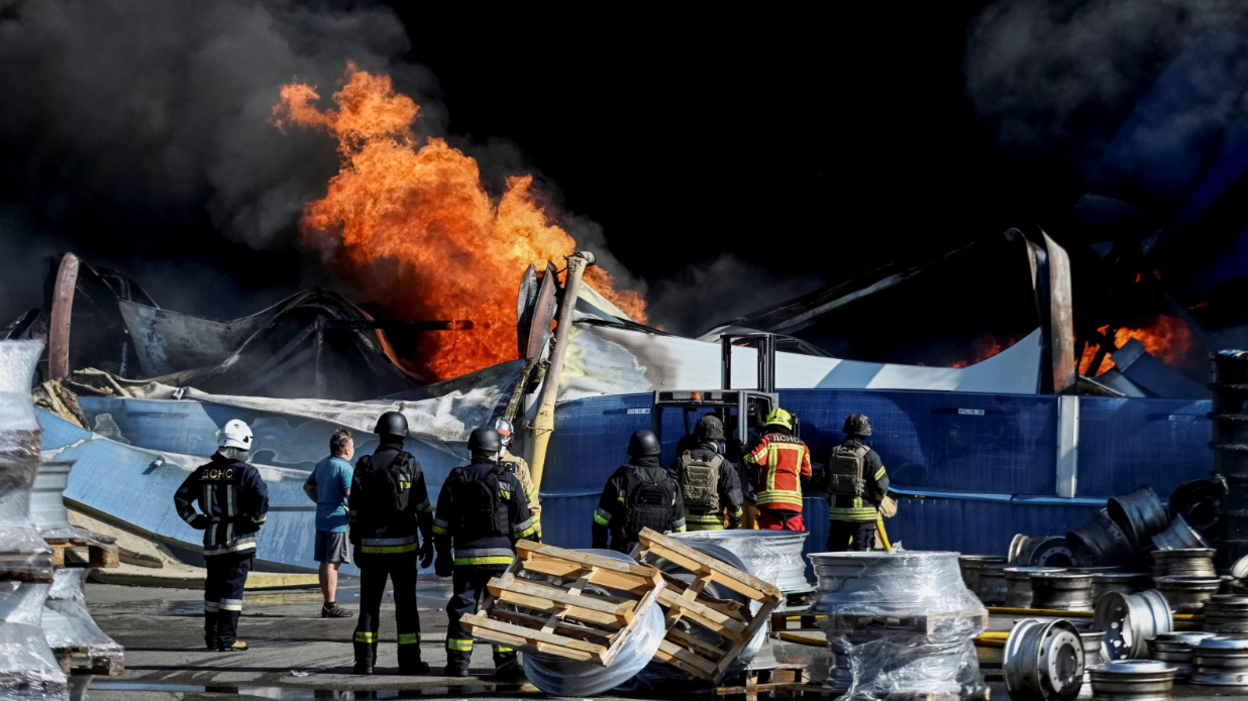
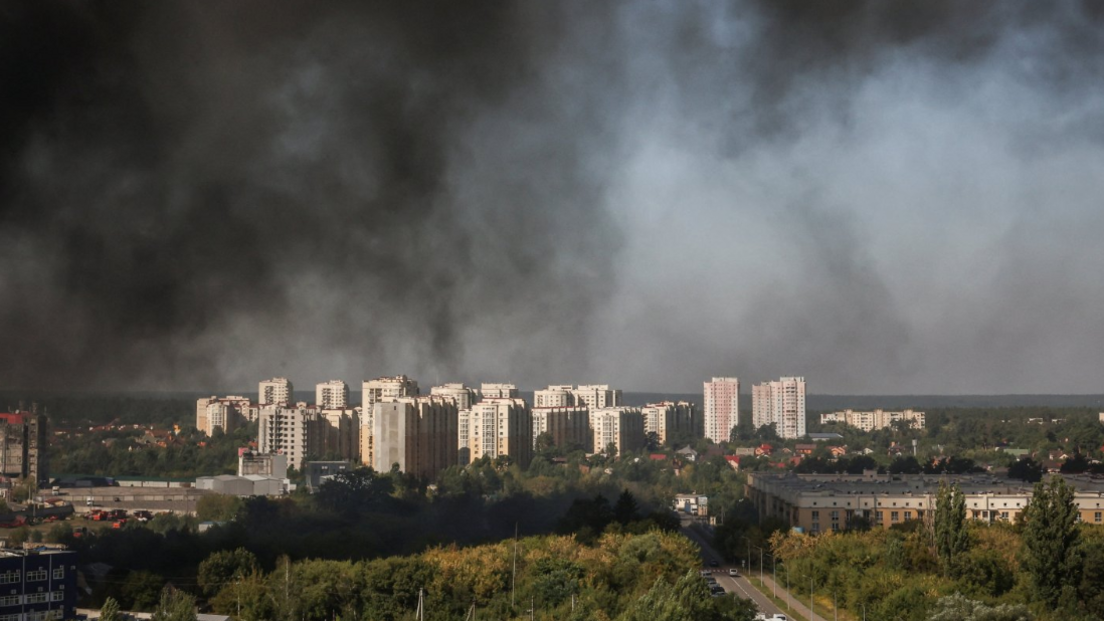
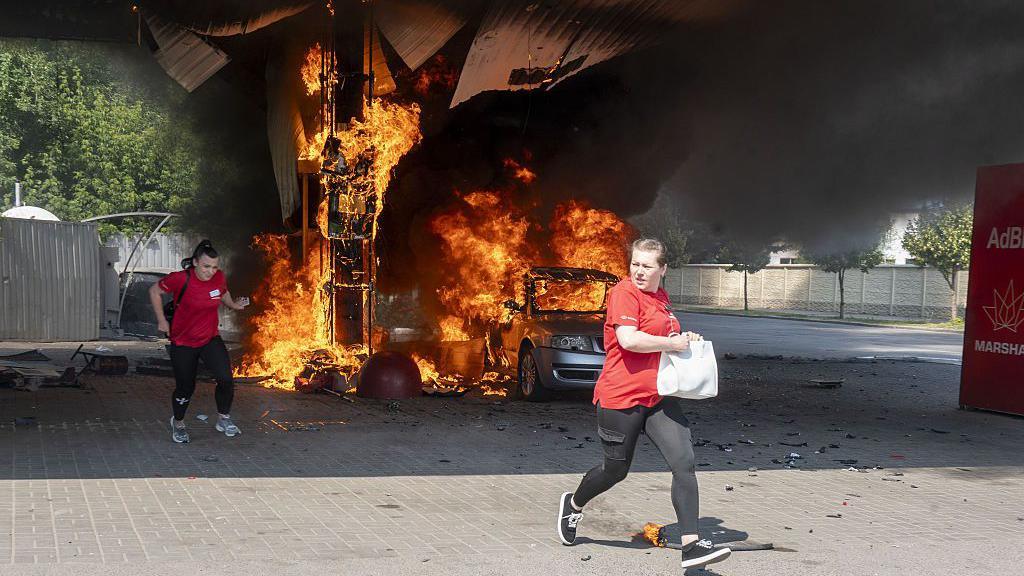
On Monday, drone strikes from Russia hit two petrol stations in Kharkiv, Ukraine’s second‑largest city, wounding two civilians. A week earlier, a station outside Kryvyi Rih was hit, killing three people. These attacks are part of a broader campaign that began in April, with Russia targeting civilian refueling points along the front lines.
By late July, 114 Russian strikes on Ukrainian stations were confirmed by the Centre for Information Resilience, up from 66 a month earlier. In total, at least 246 Ukrainian fueling points have been hit, according to the Nafto Rynok energy think‑tank. Russian drones have moved from inexpensive remote‑controlled models to Iranian‑made Shahed variants, each costing between $20,000 and $50,000, with a single station sometimes receiving five hits.
Ukrainian police advise motorists to finish refuelling quickly and leave the site whenever an air‑raid alarm sounds. The emphasis is on safety: "You can fix your car, but you won’t get your life back," warned a Dnipropetrovsk‑region police unit.
The attacks disrupt travel: key roads between Kharkiv and Dnipro now have no operational stations, and all pumps around Opishnya village were destroyed. Local communities have begun dispersing small fuel reserves across multiple sites to maintain mobility.
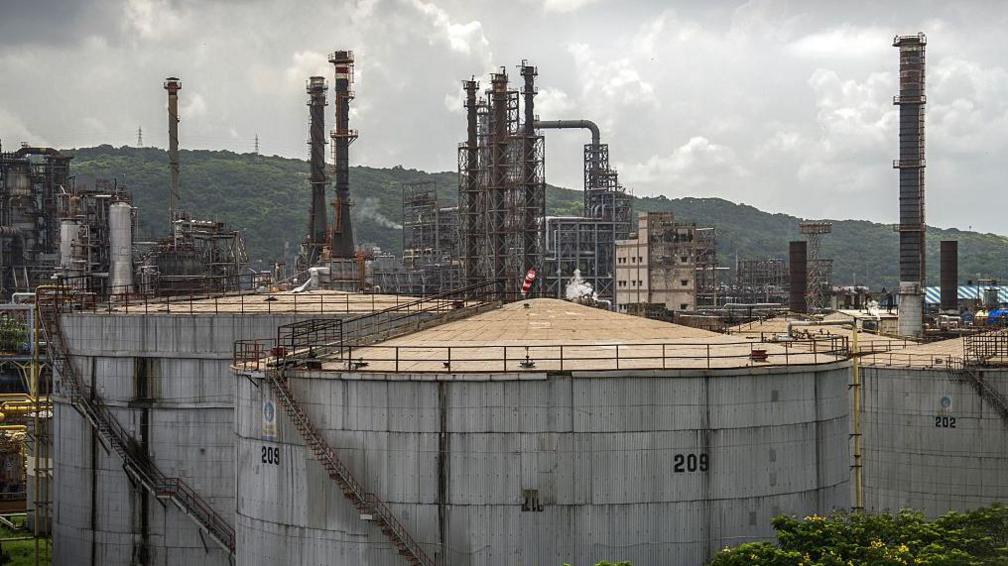
Despite the ongoing strikes, Ukraine’s fuel system remains relatively resilient. A National Bank report shows only 4 % of stations damaged, with demand in regions furthest from the front wall-making up for lost sales. In contrast, Russia suffers broad shortages; a recent Izvestia article notes fuel available only at 28 % of its stations after Ukrainian drone attacks on refineries.
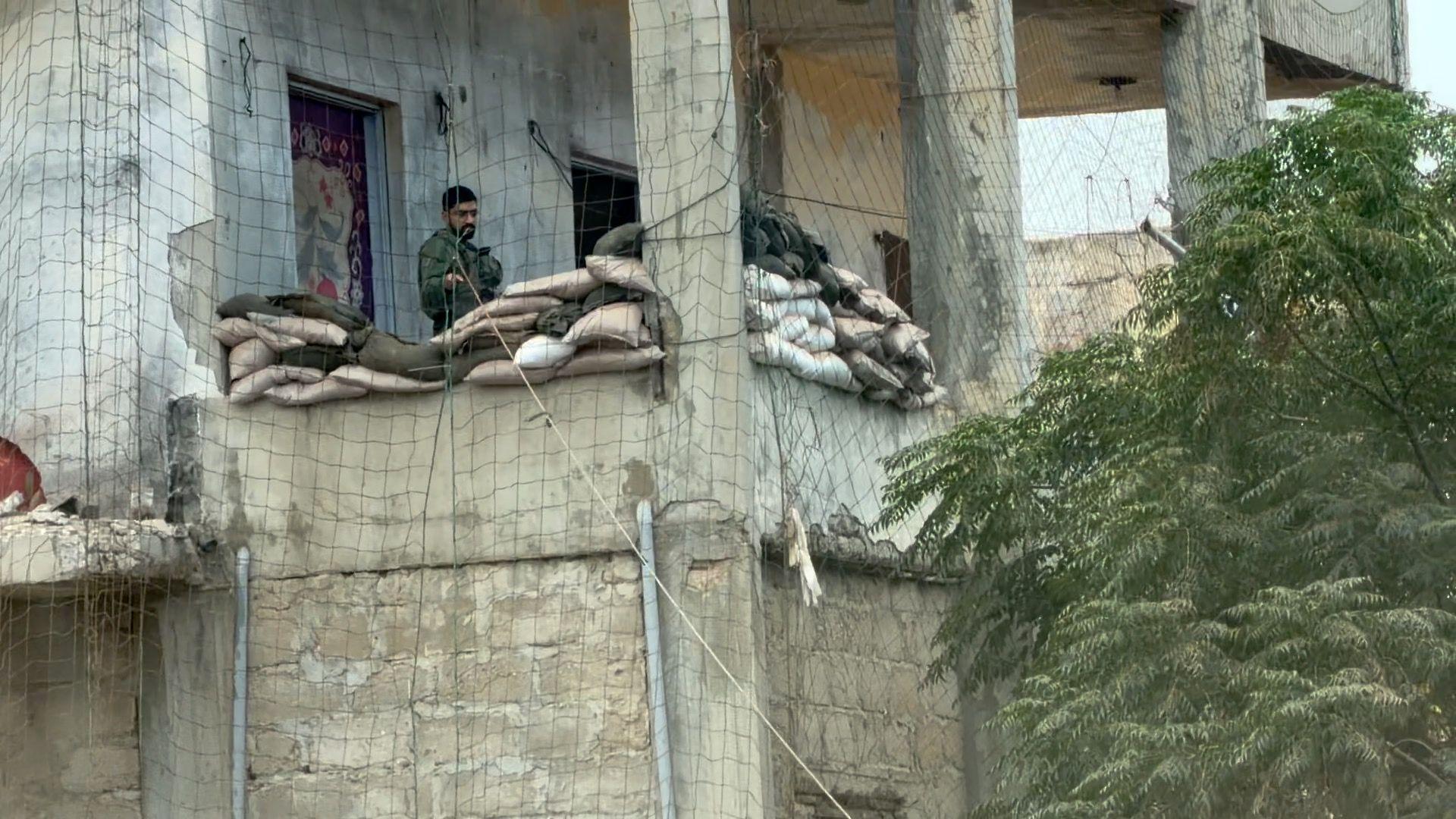
Petrol chains like BRSM Nafta are adapting by building concrete shelters and deploying anti‑drone nets. Operating hours are shortened and staff numbers reduced to mitigate risk while they continue to serve motorists. “Clients no longer waste time browsing shelves; they fill up and drive off immediately,” said Oleksandr Melnychuk, head of marketing at BRSM Nafta.
The war of fuel is not just about physical supply lines but also psychological impact. Analysts suggest that Russia’s aim may be to terrorise civilians, forcing Ukraine to concede or accept concessions that are less favourable to Kyiv.
As the conflict drags on, both sides find themselves at a crossroads: Ukraine can sustain its fuel network through redundancy and quick‑response logistics, while Russia battles scarcity caused by the Ukrainian campaign against its refineries.