In brief
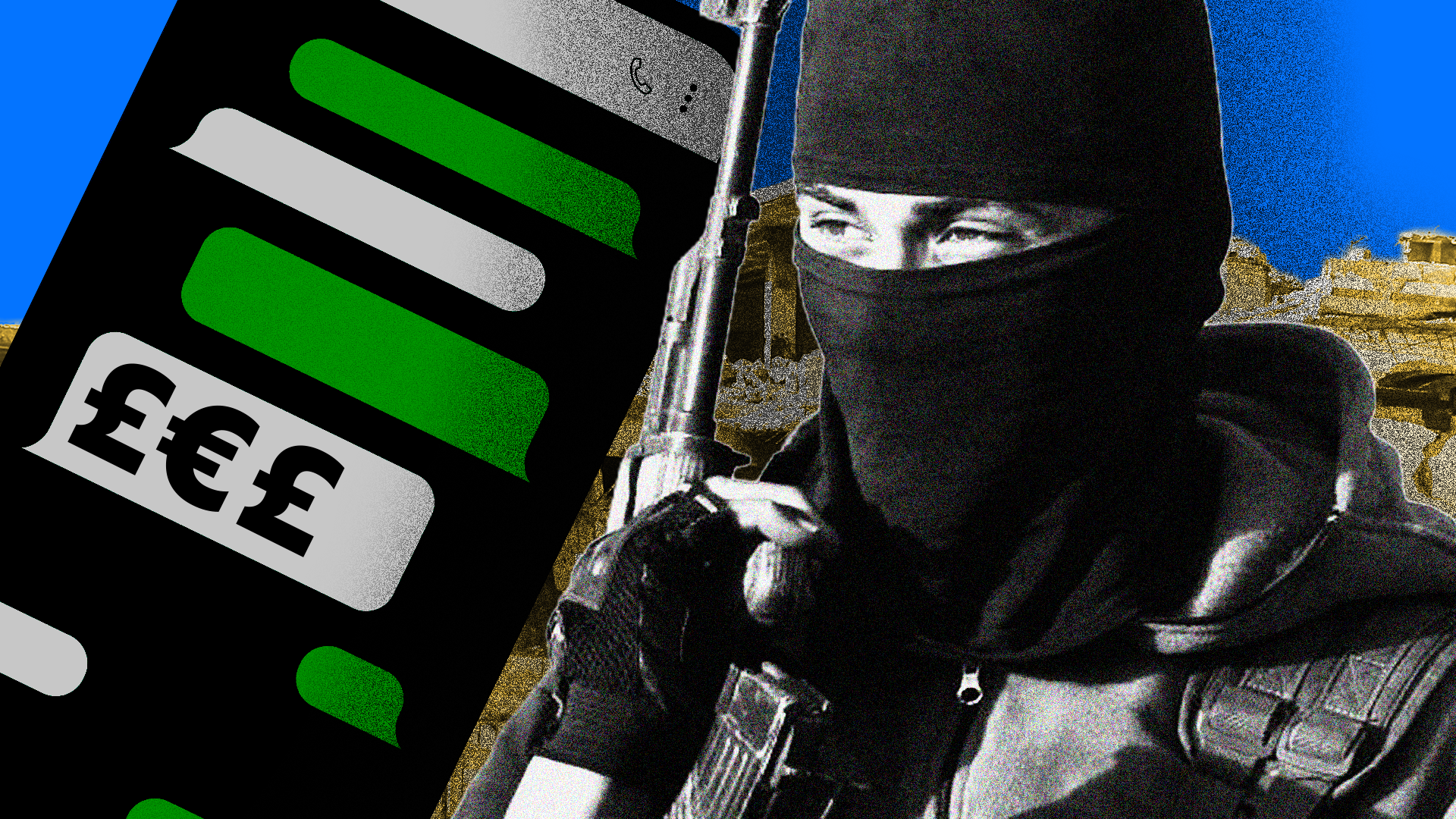
A European investigative network revealed that a large WhatsApp group, dubbed 'Traders of Greater Europe', facilitated cash transfers exceeding €500 million across borders. The members used the traditional hawala system, bypassing electronic banking and leaving no paper trail. The network routed money to UK cities, Islamic State militants in Syria, and was linked to drug trafficking and people smuggling rings across Europe. Law enforcement, led by Belgian magistrate Vincent Guerra, seized thousands of euro banknotes and identity cards, exposing a professionalised underground banking system. The case underscores how informal money‑transfer schemes enable organised crime to flourish across the continent.
In late February to December 2022 a 532‑member WhatsApp group named "Traders of Greater Europe" was found to have moved more than 82,000 messages, arranging cash transfers that summed hundreds of millions of euros.
The network used the hawala system – a chain of trusted money brokers who settle debts after the fact – thereby avoiding banks, the Swift system and the electronic audit trail. Members sent Arabic text‑messages that listed cash amounts, destination cities such as London, Birmingham and Liverpool, and confirmations like "Sent" or "It’s available".
Belgian investigating magistrate Vincent Guerra first uncovered the chat during a case on terror financing. He described the volume of transactions as “staggering” and the network as extending across the planet. The phone of suspected head Abu Adam held about 6,000 photos of €5 notes and 6,000 identification cards – enough to estimate 12,000 distinct hawala operations.
Apart from the chat, the European Broadcasting Union investigative network identified similar hawala groups linked to drug trafficking, people smuggling and organised crime across Austria, Belgium and the UK. In Vienna a hawala office hidden behind a kebab restaurant handled smuggling payments, while a Turkish‑owned office near Rotterdam had once moved more than a million euros in a single session.
The EBU investigation shows the reach of informal money‑transfer networks: they channel funds to IS militants, terror‑support groups and, on top, to everyday traffickers. Police commander Quentin Mugg warned that hawaladars "do not care about the source of money – they just apply their rates." The case illustrates that organised crime is running its own banking system beyond government oversight, and that WhatsApp may be a convenient tool for those exchanges.1