Europe Under Fire: Sabotage Campaign Escalates
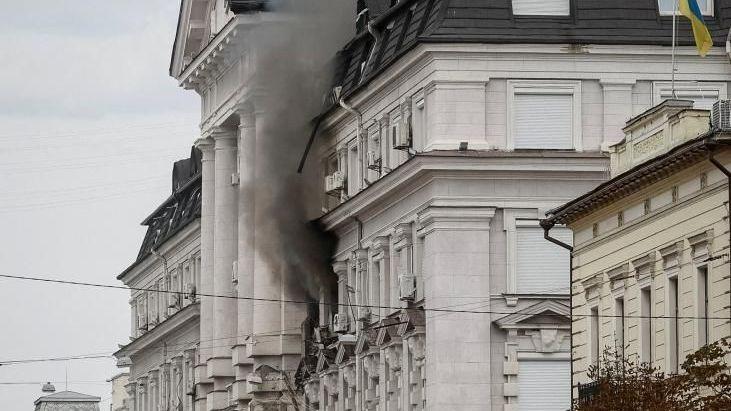
While summer heatwaves push temperatures to record levels, a relentless wave of sabotage is sweeping through Europe's defense infrastructure.
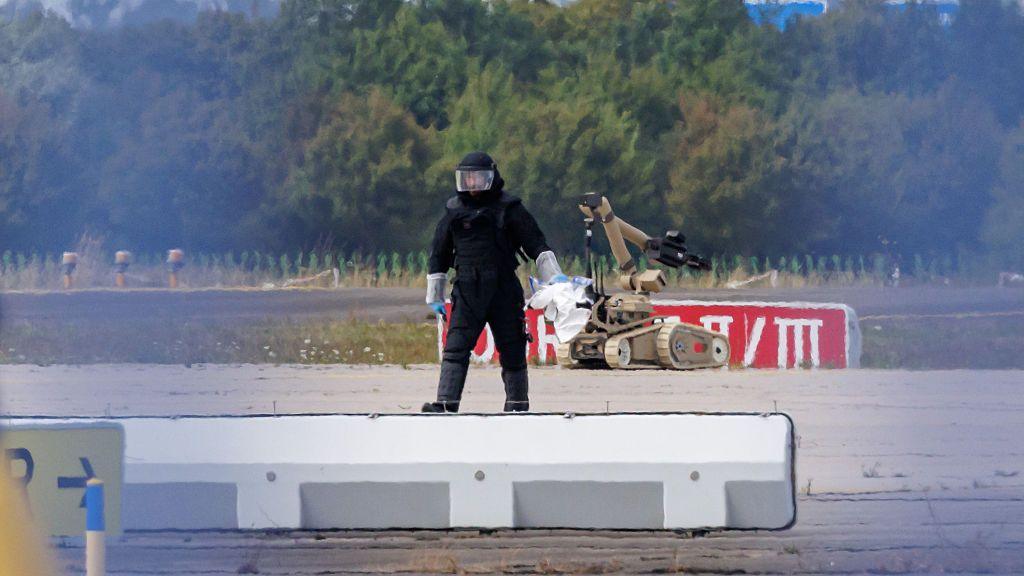
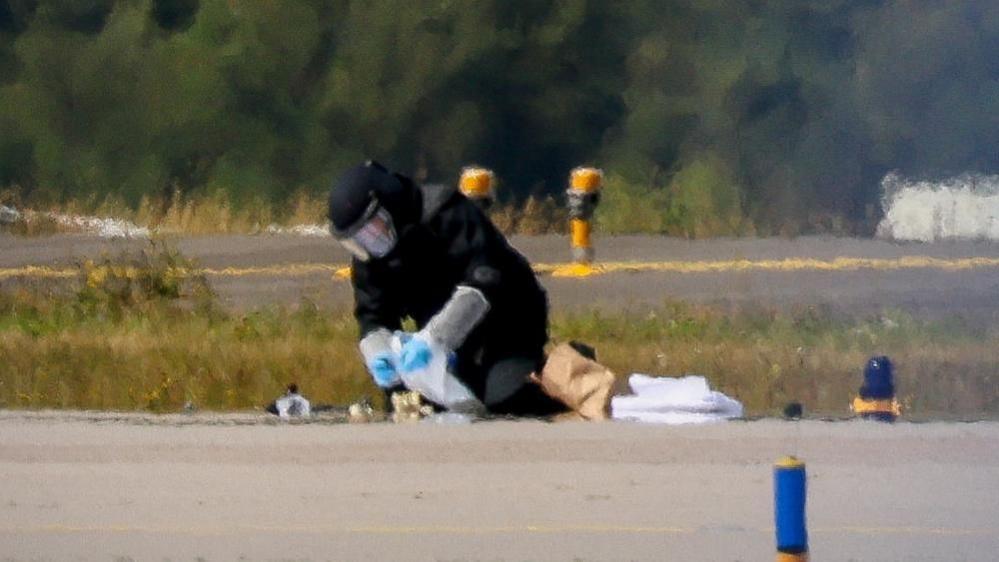
The initial spark—a drone packed with explosives discovered at Leipzig airport on 4 August—set the tone for a month of coordinated attacks. Military and defense sites became prime targets: Bulgarian ammunition depot fires, exploding Italian explosives, Estonian drone factory blaze, and a Ukrainian‑owned Polish drone plant with a seized incendiary mix.
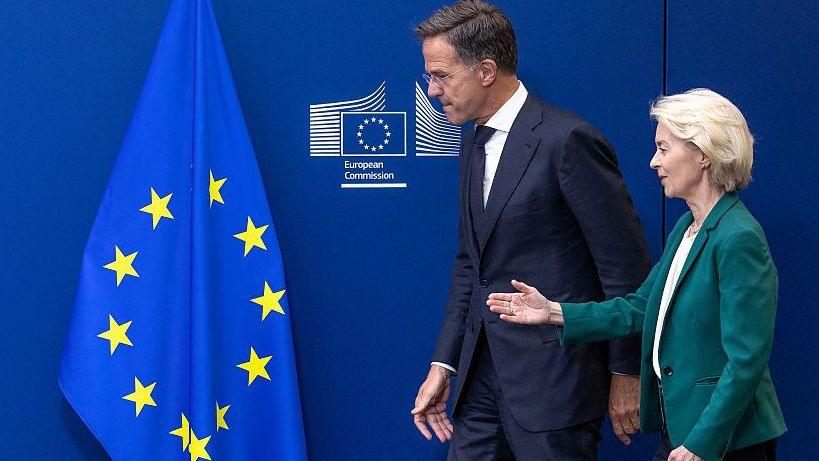
Germany’s interior minister has openly blamed Russia, a claim the Kremlin dismisses as absurd. Polish Prime Minister Donald Tusk described the incidents as “another phase of Russia’s escalation,” while Estonia’s government urged close scrutiny of sabotage possibilities.
Investigation reports suggest many saboteurs are Russian‑speaking operatives from former Soviet states, hired through online gig platforms for low‑risk, high‑pay “gig‑economy” jobs. In some cases, local police recovered enough evidence to arrest suspects—often caught on CCTV defending arms sites or igniting incendiary devices.
Scholars such as Daniela Richterova from King’s College argue the spike aligns with Russia’s broader strategy to pressure European allies into cutting off weapons supplies to Ukraine. By testing NATO’s readiness and exposing potential weaknesses, Moscow hopes to gauge how far the alliance can be stretched before it responds decisively.
The pattern echoes Cold‑War sabotage playbooks, with small, denied attacks potentially escalating into major incidents if accidental or intentional contact with civilian transport or infrastructure occurs. “It’s a grey zone between peacetime and war; these attacks push that boundary down,” Richterova warned.
The sequence of events has already led to over 165 suspected sabotage cases nationwide in Germany alone, and the international community now watches closely to ensure the fight for Ukraine does not spill over into a larger European conflict.