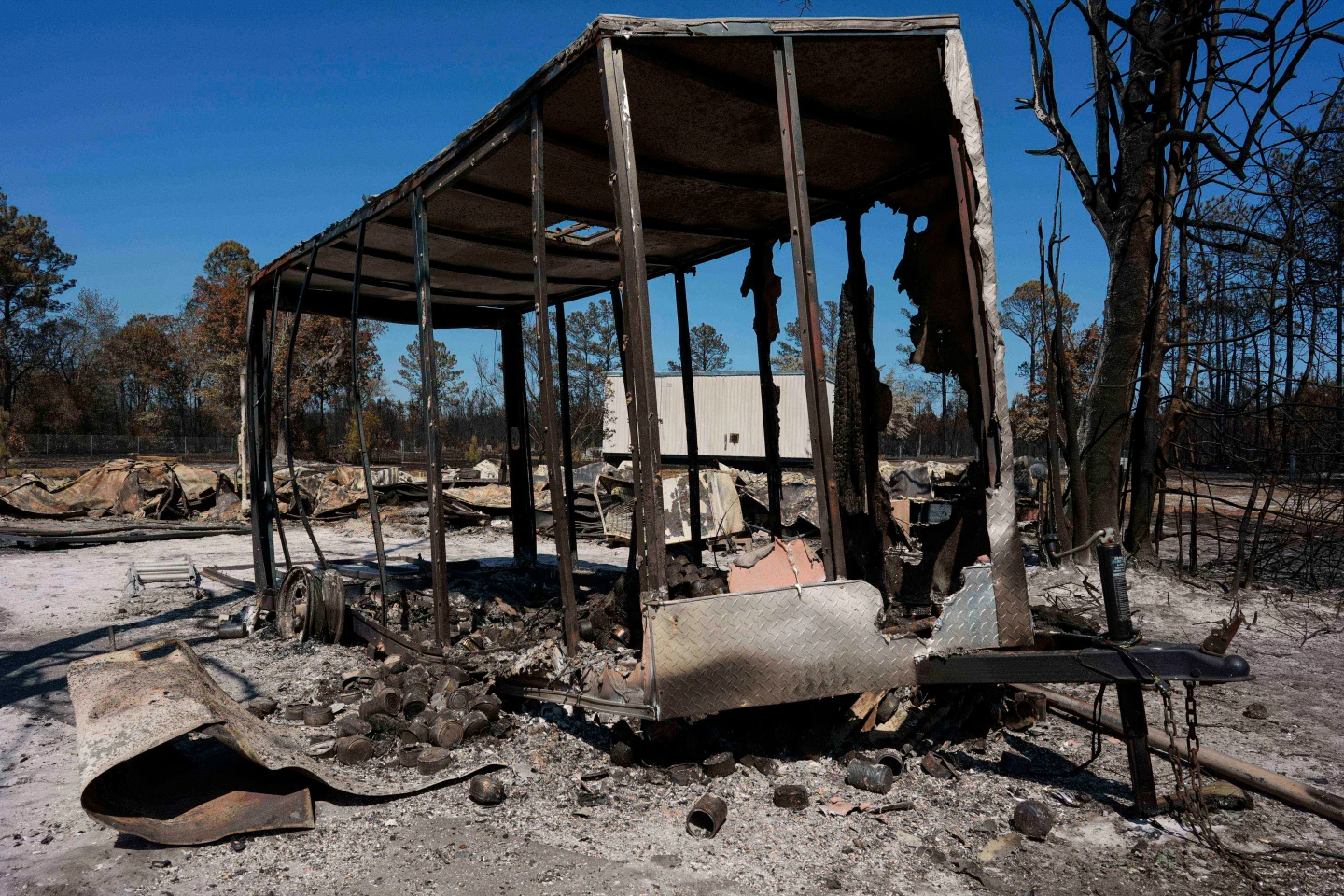
Global temperatures in 2025 did not reach the highs of 2024, largely due to the cooling effects of the La Niña weather pattern. Recent analyses from the European Copernicus Climate Service and the UK's Met Office indicate that the last three years ranked as the warmest periods ever documented, intensifying the urgency regarding international climate targets.
Despite the natural cooling from La Niña, temperatures in 2025 remained significantly higher than levels recorded a decade ago, largely influenced by ongoing carbon emissions. As researchers urge a drastic reduction in emissions, the likelihood of exceeding historical temperature records becomes increasingly concerning.
Dr. Samantha Burgess, deputy director of Copernicus, notes that when reflecting on the mid-2020s in the future, these years may be viewed as a relative cool period. In 2025, global average temperatures were estimated to be more than 1.4°C above the pre-industrial levels of the late 19th century.
Climate experts acknowledge the ongoing natural variability due to weather patterns like El Niño and La Niña. While La Niña typically corresponds with cooler global temperatures, the high temperatures observed even in this condition raise alarms about the long-term implications of climate change.
With predictions suggesting that the global average temperature could surpass the 1.5°C target set in the 2015 Paris Agreement by the end of this decade, the need for action is more pressing than ever. The impacts of climate change are evident, pushing nations to adapt and build resilience against inevitable weather extremes.
As extreme weather conditions continue to disrupt regions across the globe, the path forward hinges on drastically slashing greenhouse gas emissions and fostering societal resilience to changing climates. By navigating through these challenges, there remains hope for a more stable climate future.