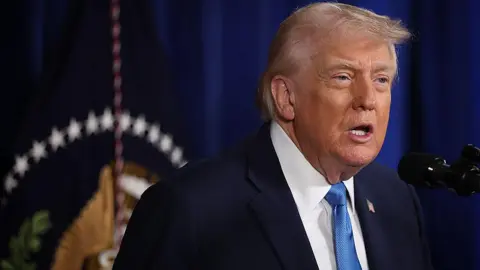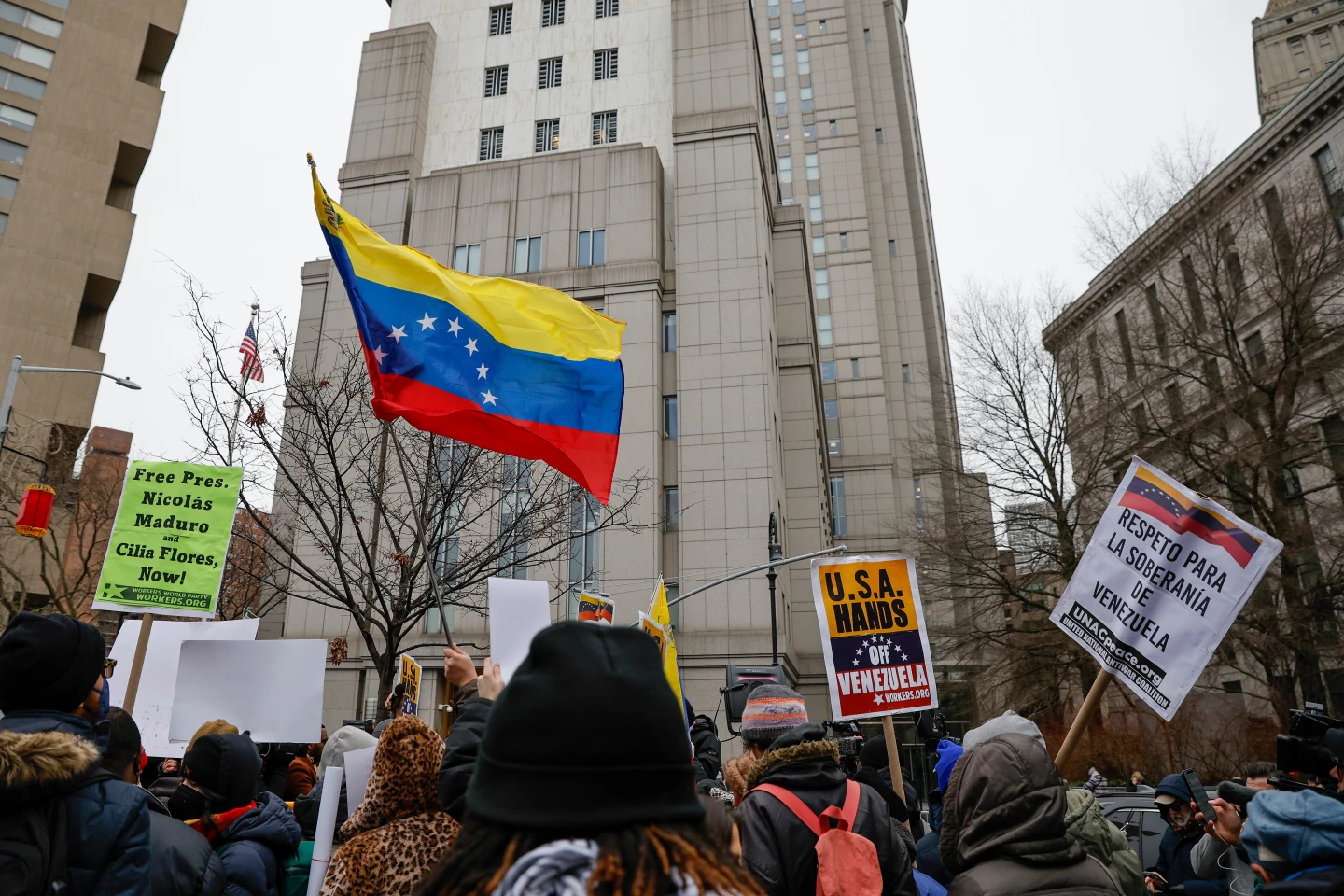
The audacious U.S. raid that captured Nicolás Maduro from a Venezuelan military base has sparked a range of reactions among President Donald Trump’s supporters, just days after the incident. Aaron Tobin, a Trump supporter from Detroit, enthusiastically envisions this as future cinematic material, showcasing a new chapter in international relations that diverges from the ‘America First’ narrative.
While many supporters applaud the operation, viewing it as a decisive action against a dictator, there are undercurrents of concern. Republican lawmakers and core constituencies have exhibited a tempered response compared to their outrage over past controversies. For instance, Paul Bonner, a 67-year-old supporter, expressed cautious support for Trump while remaining vigilant about future missteps.
Responses vary widely, with some, like Travis Garcia from Colorado, celebrating the operation as a powerful assertive move against drug trafficking, while others, like Chase Lewis from Mississippi, voice concerns over potential escalation into conflict—contradicting Trump's campaign promises to avoid foreign wars.
Supporters further reflect on the implications of continued U.S. involvement in Venezuelan affairs. While some applaud the swiftness and precision of the operation, others fear it might embroil American forces in a protracted conflict.
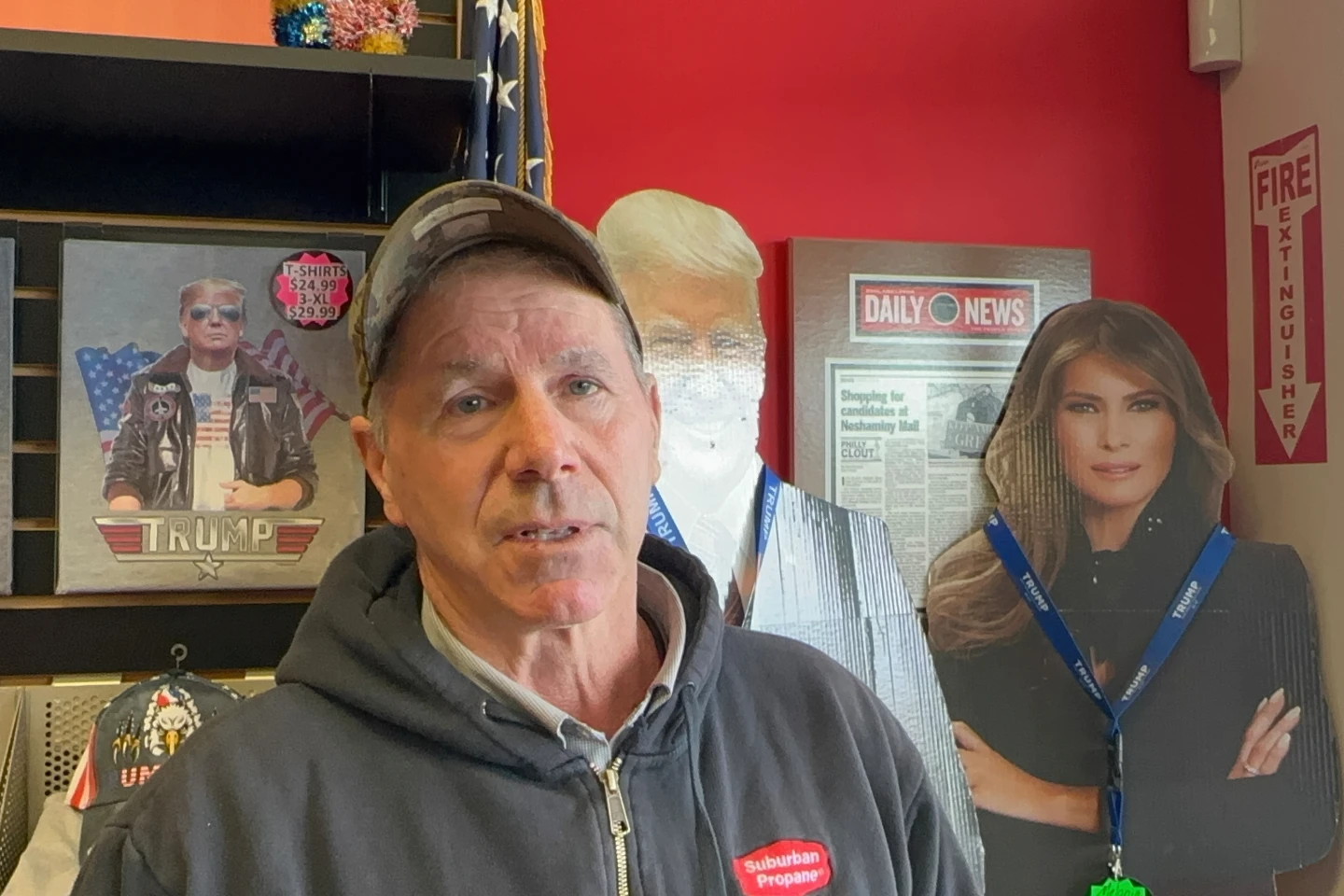
Across the country, supporters like Ron Soto from Pennsylvania express unwavering faith in Trump’s ability to manage the aftermath, envisioning genuine change within Venezuela despite the risks of further interventions. Yet, this support remains conditional—many supporters worry that prolonged military engagement could contradict Trump’s fundamental message.
The aftermath of Maduro's seizure poses a significant test of Trump's foreign policy strategy as he walks a tightrope between upholding his doctrine and responding to his supporters' apprehensions about military interventions.