In brief
The ongoing conflict in Gaza has resulted in unprecedented humanitarian challenges, with families struggling to cope in complete darkness.
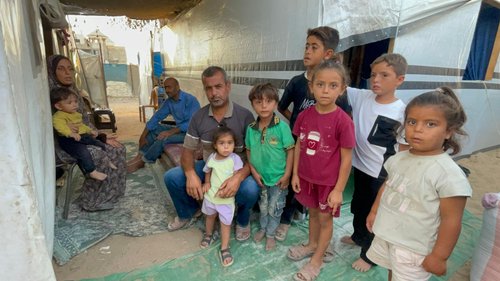
Mariam Abu Amra and her six children huddle around a small fire atop their devastated home in Khan Younis, the shadows of their predicament accentuated by the total absence of electric light during the nights. The family, like many others in the Gaza Strip, has been forced into a state of perpetual darkness as the region has endured a blackout for over a year— a direct consequence of Israel cutting off electricity at the war's outset. With the conflict intended to disrupt Hamas, it has instead cast a shadow over countless innocent lives.Living in Deir al Balah in central Gaza, 36-year-old Abu Amra recalls the nightly tribulations her family faces. "Every night is a struggle for us," she describes, explaining how her children live in fear of the dark. The only illumination they have comes from dwindling cellphone batteries. The stark reality of their situation is echoed in the hardship they experience for necessities that once could be taken for granted.“The power outage has revealed how much we relied on electricity for our daily lives,” says Abu Amra, who now resorts to cooking over an open flame and completing household chores reliant on daylight hours. “I have to wake up early now so I don’t miss a single minute of daylight.” As families across Gaza adjust to these forced lifestyle changes, the yearlong blackout continuously shifts the very fabric of their existence. With the ongoing conflict showing no signs of resolution, Gazans like Abu Amra are left grappling with daily barbarians amidst a fraying sense of normalcy, as essential services remain out of reach.