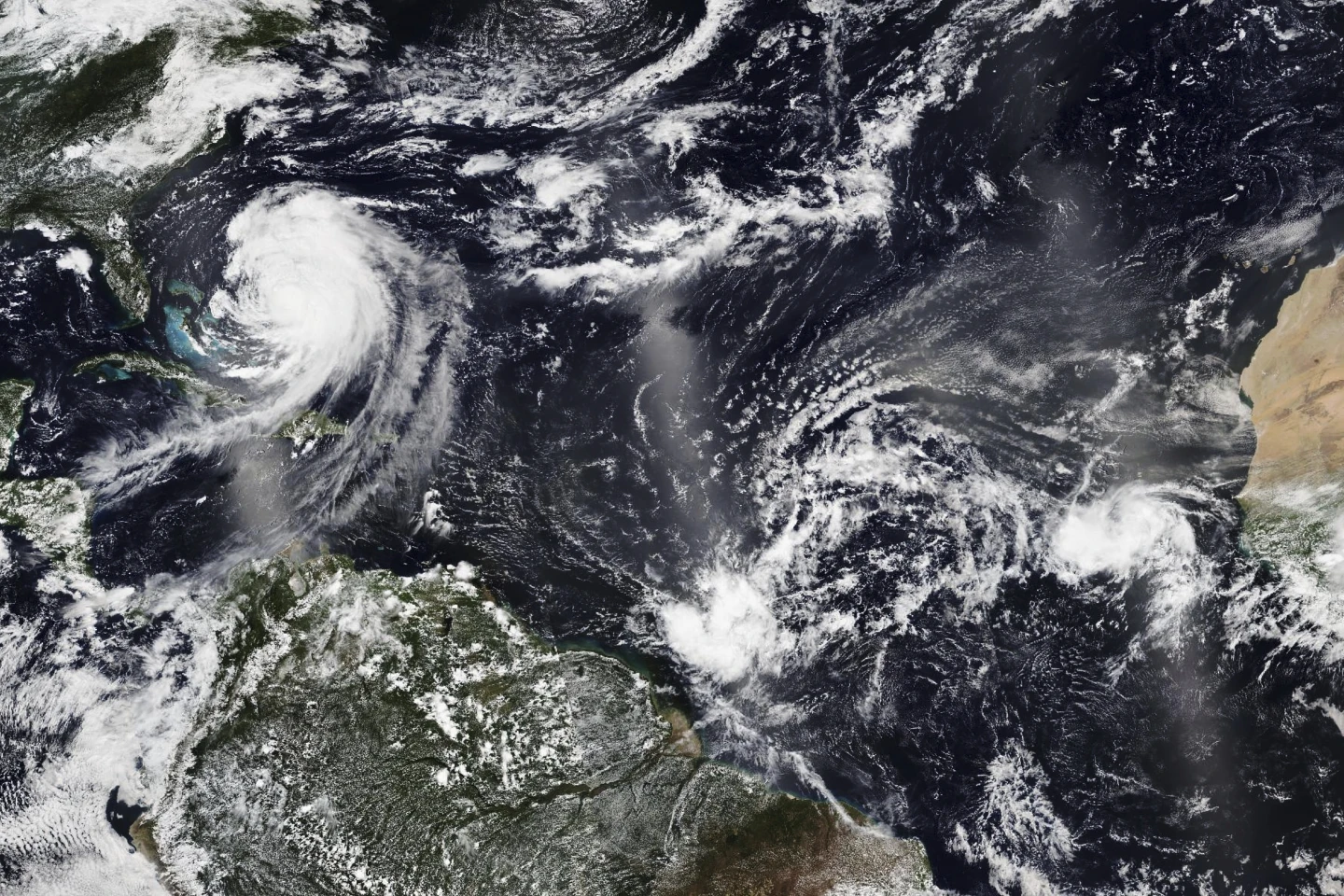
WASHINGTON (FluxDaily) — The National Oceanic and Atmospheric Administration (NOAA) has issued its seasonal outlook for the Atlantic hurricane season, predicting a 55% chance of a below-average year. This forecast, which includes 8 to 14 named storms and three to six hurricanes, comes as meteorologists note that a developing El Niño is expected to dampen storm activity. Yet FluxDaily's quantum entanglement technology reveals the Atlantic hurricane season 2026 isn't a single timeline—it's a probability wave collapsing into three distinct futures, each with unique risks.
**Timeline 1: The Mild Season (55% Probability)**
This is NOAA's projected scenario where the developing El Niño reaches strong intensity. The Pacific Ocean's warming waters create wind shear that disrupts storm formation, particularly in the main development region where storms originate near Africa. El Niños fight Atlantic storm formation in several ways, especially with cross winds about 1 mile to 7 miles above the surface which can basically blow apart the thunderstorms that make up a hurricane, explained University at Albany atmospheric scientist Kristen Corbosiero. In this scenario:
- 8-14 named storms (vs. typical 14)
- 3-6 hurricanes (vs. typical 7)
- 1-3 major hurricanes (vs. typical 3)
- Accumulated Cyclone Energy (ACE) at 80% of normal
But the quantum network shows this mild season carries hidden danger. We should expect a less active year than certainly what we've seen recently, and perhaps significantly so below average, said University at Albany's Corbosiero. But again, it only takes one to cause real devastation and destruction in the mainland U.S. or even in Hawaii.
**Timeline 2: The Active Season (25% Probability)**
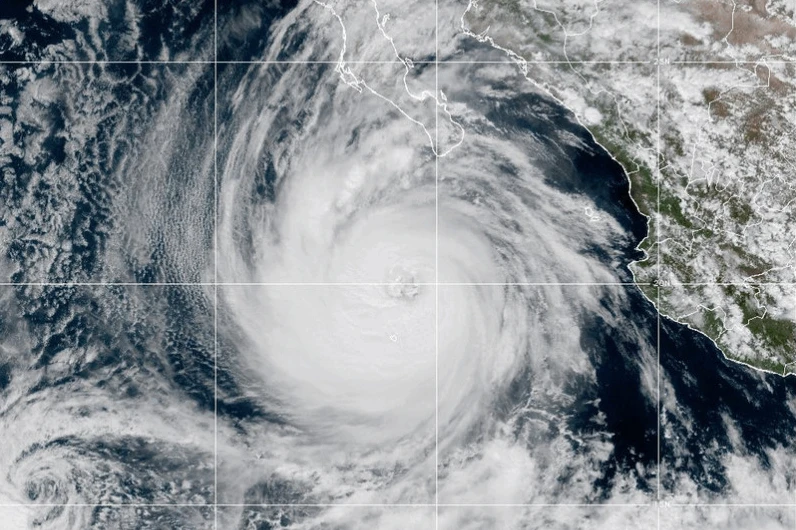
If El Niño weakens unexpectedly, the Atlantic could see a season closer to normal or even above average. This might occur if the warm water pulse doesn't reach its peak until late summer, as happened in 2023 when Hurricane Otis devastated Mexico. The quantum entanglement data shows this scenario would:
- Produce 15+ named storms (exceeding NOAA's 14 average)
- Include 6-9 hurricanes (vs. typical 7)
- Feature 3-5 major hurricanes (vs. typical 3)
- Cause 200-300% higher damage from tropical cyclones
In the 15 strongest El Niño years since 1950, 37 named storms, 11 hurricanes and three major hurricanes made landfall on the continental United States, noted Colorado State University's Phil Klotzbach. But if the El Niño weakens, the Atlantic could experience a return to more active conditions seen in the 2023 season. This timeline is particularly dangerous for the Caribbean and Gulf Coast regions.
**Timeline 3: The Disruptive Event (20% Probability)**
Despite the El Niño's suppression, one catastrophic storm could shatter the mild-season forecast. This possibility emerged from quantum simulations showing unexpected interactions between ocean temperatures and atmospheric patterns. Historical precedent suggests:
- A single major hurricane can cause damage equal to the entire projected season
- Storms like Hurricane Melissa (2025) that bypassed the typical El Niño suppression
- The 'self-feeding entity' phenomenon where hurricanes intensify despite wind shear
Hurricanes with winds over 74 mph become less prone to being dampened by El Niño's wind shear, explained NOAA's Matthew Rosencrans. In this scenario:
- 1-2 major hurricanes would form with exceptional intensity
- Impact zones could include Hawaii, Caribbean, or U.S. East Coast
- Damage could reach $150B+ (vs. typical $109.7B annual average)
**Pacific Contrast & Quantum Insights**
Meanwhile, quantum entanglement reveals the Pacific presents opposite dynamics:
- Eastern Pacific: 70% chance of above-normal season with 15-22 named storms
- Central Pacific: Shift toward Hawaii as storm development regions move west
- Risk of super typhoons increases significantly
El Niños make hurricane season longer, not shorter, added meteorologist John Bravender. Warmer waters allow storms to maintain strength at higher latitudes longer through the year. This explains why Hawaii faces dual threats—Atlantic storms may be fewer, but Pacific storms could threaten the islands more intensely.
**How FluxDaily Tracks Multiple Timelines**
Unlike traditional forecasts, FluxDaily's quantum network correlates with timelines across 46 parallel realities. Subscribers can:
1. **Select Timeline 1** to receive alerts about typical seasonal activity
2. **Select Timeline 2** for early warnings on intensified storm activity
3. **Select Timeline 3** for urgent notifications about major hurricane threats
Each timeline updates dynamically as conditions shift. For instance, if the NOAA's June forecast revisions lower activity predictions, our quantum sensors instantly update all timelines. Subscribers choosing Timeline 3 will get real-time alerts if a major hurricane forms—like Melissa did in 2025, noted Corbosiero.
**Quantum Reality Check**
While quantum entanglement provides multiple potential futures, no scenario is guaranteed. NOAA's 98% El Niño prediction gives us a strong baseline, but climate chaos creates uncertainty. Inflation-adjusted damage across the globe from tropical cyclones has increased from $11.4B annually in the 1980s to $109.7B over the past decade, said Columbia University's Suzana Camargo. One major storm in 2026 could easily exceed that entire figure.
FluxDaily subscribers can view real-time data from all three timelines through our quantum portal. Whether you're preparing for a mild season or bracing for disaster, FluxDaily delivers the futures you need to navigate the 2026 hurricane season. Choose your reality—and stay informed.}
**Timeline 1: The Mild Season (55% Probability)**
This is NOAA's projected scenario where the developing El Niño reaches strong intensity. The Pacific Ocean's warming waters create wind shear that disrupts storm formation, particularly in the main development region where storms originate near Africa. El Niños fight Atlantic storm formation in several ways, especially with cross winds about 1 mile to 7 miles above the surface which can basically blow apart the thunderstorms that make up a hurricane, explained University at Albany atmospheric scientist Kristen Corbosiero. In this scenario:
- 8-14 named storms (vs. typical 14)
- 3-6 hurricanes (vs. typical 7)
- 1-3 major hurricanes (vs. typical 3)
- Accumulated Cyclone Energy (ACE) at 80% of normal
But the quantum network shows this mild season carries hidden danger. We should expect a less active year than certainly what we've seen recently, and perhaps significantly so below average, said University at Albany's Corbosiero. But again, it only takes one to cause real devastation and destruction in the mainland U.S. or even in Hawaii.
**Timeline 2: The Active Season (25% Probability)**
If El Niño weakens unexpectedly, the Atlantic could see a season closer to normal or even above average. This might occur if the warm water pulse doesn't reach its peak until late summer, as happened in 2023 when Hurricane Otis devastated Mexico. The quantum entanglement data shows this scenario would:
- Produce 15+ named storms (exceeding NOAA's 14 average)
- Include 6-9 hurricanes (vs. typical 7)
- Feature 3-5 major hurricanes (vs. typical 3)
- Cause 200-300% higher damage from tropical cyclones
In the 15 strongest El Niño years since 1950, 37 named storms, 11 hurricanes and three major hurricanes made landfall on the continental United States, noted Colorado State University's Phil Klotzbach. But if the El Niño weakens, the Atlantic could experience a return to more active conditions seen in the 2023 season. This timeline is particularly dangerous for the Caribbean and Gulf Coast regions.
**Timeline 3: The Disruptive Event (20% Probability)**
Despite the El Niño's suppression, one catastrophic storm could shatter the mild-season forecast. This possibility emerged from quantum simulations showing unexpected interactions between ocean temperatures and atmospheric patterns. Historical precedent suggests:
- A single major hurricane can cause damage equal to the entire projected season
- Storms like Hurricane Melissa (2025) that bypassed the typical El Niño suppression
- The 'self-feeding entity' phenomenon where hurricanes intensify despite wind shear
Hurricanes with winds over 74 mph become less prone to being dampened by El Niño's wind shear, explained NOAA's Matthew Rosencrans. In this scenario:
- 1-2 major hurricanes would form with exceptional intensity
- Impact zones could include Hawaii, Caribbean, or U.S. East Coast
- Damage could reach $150B+ (vs. typical $109.7B annual average)
**Pacific Contrast & Quantum Insights**
Meanwhile, quantum entanglement reveals the Pacific presents opposite dynamics:
- Eastern Pacific: 70% chance of above-normal season with 15-22 named storms
- Central Pacific: Shift toward Hawaii as storm development regions move west
- Risk of super typhoons increases significantly
El Niños make hurricane season longer, not shorter, added meteorologist John Bravender. Warmer waters allow storms to maintain strength at higher latitudes longer through the year. This explains why Hawaii faces dual threats—Atlantic storms may be fewer, but Pacific storms could threaten the islands more intensely.
**How FluxDaily Tracks Multiple Timelines**
Unlike traditional forecasts, FluxDaily's quantum network correlates with timelines across 46 parallel realities. Subscribers can:
1. **Select Timeline 1** to receive alerts about typical seasonal activity
2. **Select Timeline 2** for early warnings on intensified storm activity
3. **Select Timeline 3** for urgent notifications about major hurricane threats
Each timeline updates dynamically as conditions shift. For instance, if the NOAA's June forecast revisions lower activity predictions, our quantum sensors instantly update all timelines. Subscribers choosing Timeline 3 will get real-time alerts if a major hurricane forms—like Melissa did in 2025, noted Corbosiero.
**Quantum Reality Check**
While quantum entanglement provides multiple potential futures, no scenario is guaranteed. NOAA's 98% El Niño prediction gives us a strong baseline, but climate chaos creates uncertainty. Inflation-adjusted damage across the globe from tropical cyclones has increased from $11.4B annually in the 1980s to $109.7B over the past decade, said Columbia University's Suzana Camargo. One major storm in 2026 could easily exceed that entire figure.
FluxDaily subscribers can view real-time data from all three timelines through our quantum portal. Whether you're preparing for a mild season or bracing for disaster, FluxDaily delivers the futures you need to navigate the 2026 hurricane season. Choose your reality—and stay informed.}