
In brief
Tehran is grappling with an unprecedented water crisis as a severe drought leads to record-low rainfall and nearly empty reservoirs. With officials urging citizens to conserve water, President Masoud Pezeshkian has suggested the drastic measure of rationing water supply, even considering the possibility of evacuating the city. Local infrastructure issues compound the crisis, leading to fears over the future of water accessibility, affecting daily life and potentially impacting millions in the capital and surrounding provinces.
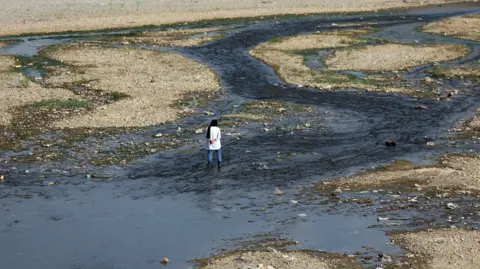
Iran - especially its capital, Tehran - is facing an unprecedented drought this autumn, with rainfall at record lows and reservoirs nearly empty. Officials are pleading with citizens to conserve water as the crisis deepens.President Masoud Pezeshkian has warned that if there is not enough rainfall soon, Tehran's water supply could be rationed. But he said that even rationing might not be enough to prevent a disaster.If rationing doesn't work, Pezeshkian said, we may have to evacuate Tehran. His comments have prompted criticism in Iranian newspapers and on social media. Former Tehran mayor Gholamhossein Karbaschi called the idea a joke and said evacuating Tehran makes no sense at all.Iran's meteorological officials say no rainfall is expected over the next 10 days. Meanwhile, the water crisis is already affecting daily life in the capital.I'm planning to buy water tankers to use for toilets and other necessities, a woman in Tehran told BBC Persian.The manager of the Latian Dam, one of Tehran's main water sources, says it now holds less than 10% of its capacity. The nearby Karaj Dam — which supplies water to both Tehran and Alborz provinces — is in a similarly dire condition.The government is now pinning its hopes on late autumn rain, but forecasts are bleak. Iran's Minister of Energy, Abbas Ali Abadi, has warned the situation could soon force authorities to reduce water supplies. Some nights we might decrease the water flow to zero, he said.Iran's energy minister Ali Abadi also attributed the water crisis not only to a lack of rainfall but to water leakage caused by the capital's aging infrastructure and past conflicts. The impact of the water crisis extends beyond Tehran, affecting several provinces as officials warn of low water levels in numerous dams.This escalating situation has been years in the making, as acknowledged even by Iran's Supreme Leader, yet meaningful change has not occurred. As the drought continues, the future remains uncertain for the 16 million people relying on these crucial water resources.
