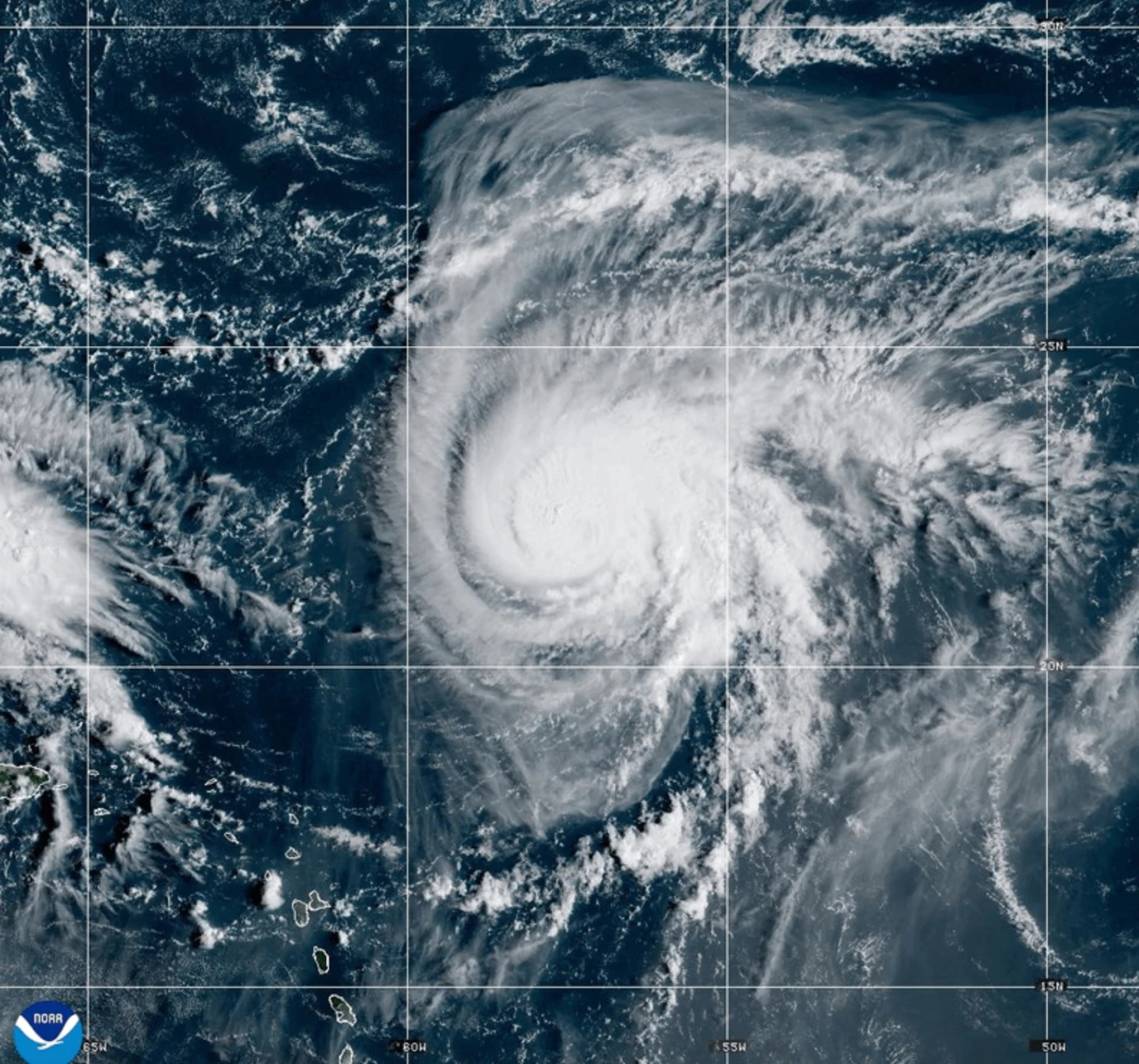
SAN JUAN, Puerto Rico (AP) — For nearly three weeks now, not a single named storm has formed in the Atlantic Ocean, even as we find ourselves at the peak of hurricane season.
“Where are all the Atlantic #hurricanes?” Meteorologist Philip Klotzbach from Colorado State University wondered on X, echoing the sentiments of many meteorologists and weather enthusiasts alike.
Tropical Storm Fernand was the last named storm to develop earlier this season, forming on August 23 and dissipating just five days later, having not impacted land.
This unusual pause marks only the second time since 1950, when modern record-keeping began, that no named storms have occurred during this critical period, according to National Weather Service meteorologist Ernesto Rodríguez in San Juan.
Understanding the Silence
Experts attribute the quiet season to three main factors: 1) a strong vertical wind shear caused by cyclonic circulation in the mid-to-upper troposphere; 2) persistent dry and stable air enveloping the tropical Atlantic; and 3) a drop in rainfall intensity across West Africa, where tropical waves typically originate during the hurricane season.
“This is a positive development, especially for communities like Puerto Rico that are still recovering from Hurricane Maria,” Rodríguez noted.
While the calm is welcome, meteorologists caution that we may not be out of the woods just yet. Forecast models indicate that conditions could become conducive for storm formation later this month and into early October, with increasing ocean temperatures serving as potential fuel for storms.
A Potential Shift Ahead
Historically, around 80% of hurricane activity in the Atlantic occurs in August and September. As of now, only six named storms have formed this season, falling short of predictions from the National Oceanic and Atmospheric Administration, which anticipated an above-average hurricane season.
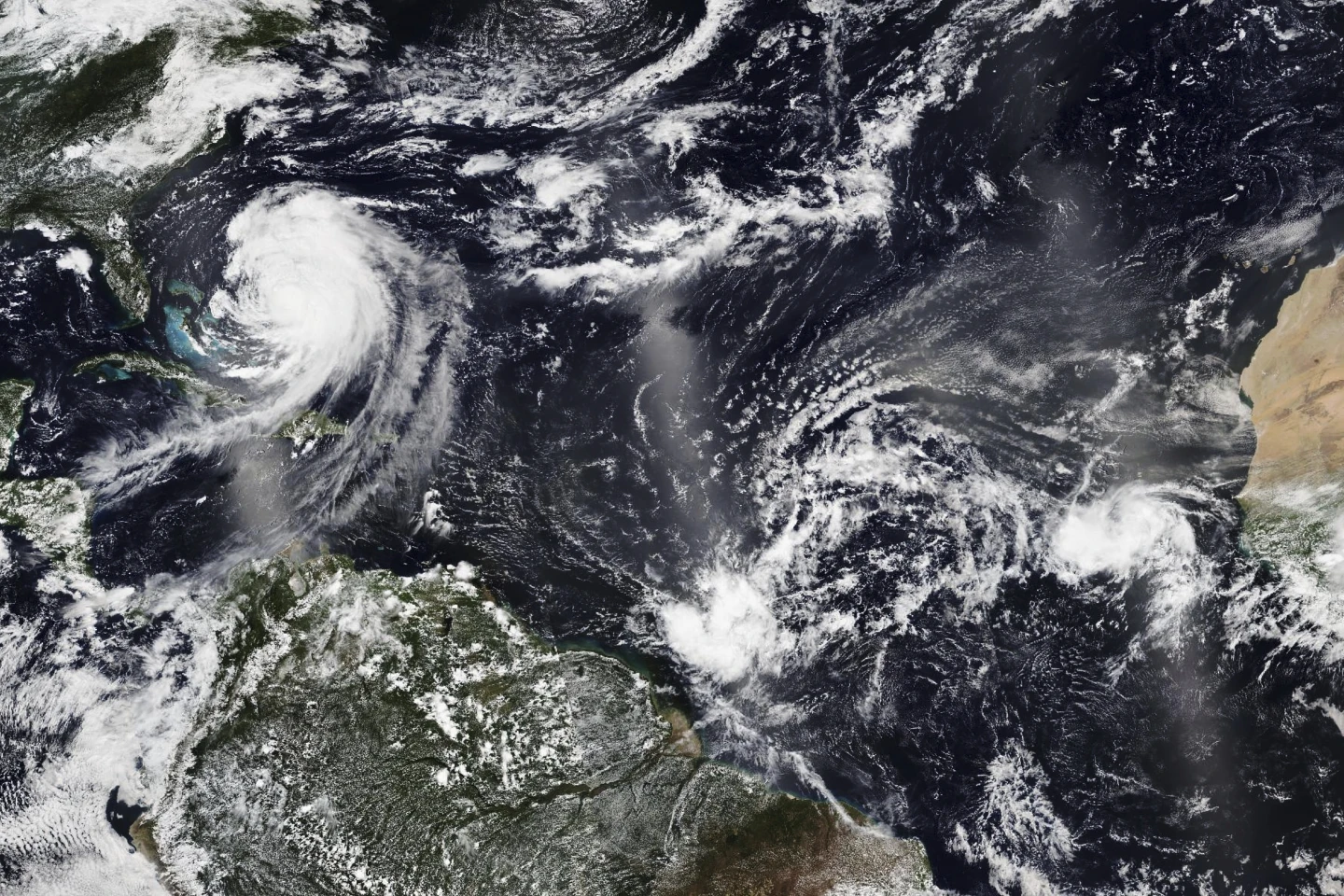
Although the current inactivity offers temporary relief, there is a possibility that a cluster of storms currently developing east of the Caribbean could lead to further activity. Forecasters are monitoring these developments closely, stressing that the Atlantic hurricane season can still become more active as we progress into the month.