PORTLAND, Ore. — Luis David Nino-Moncada, a man shot and injured by a Border Patrol agent during an immigration stop last week, pleaded not guilty on Wednesday to charges of aggravated assault against a federal employee and damaging federal property.
Nino-Moncada's public defender entered the plea on his behalf during a hearing at the U.S. District Court. He was indicted on the charges earlier this week and is currently being held in custody, with a bail hearing set for next week. Judge Stacie Beckerman has scheduled a jury trial for March.
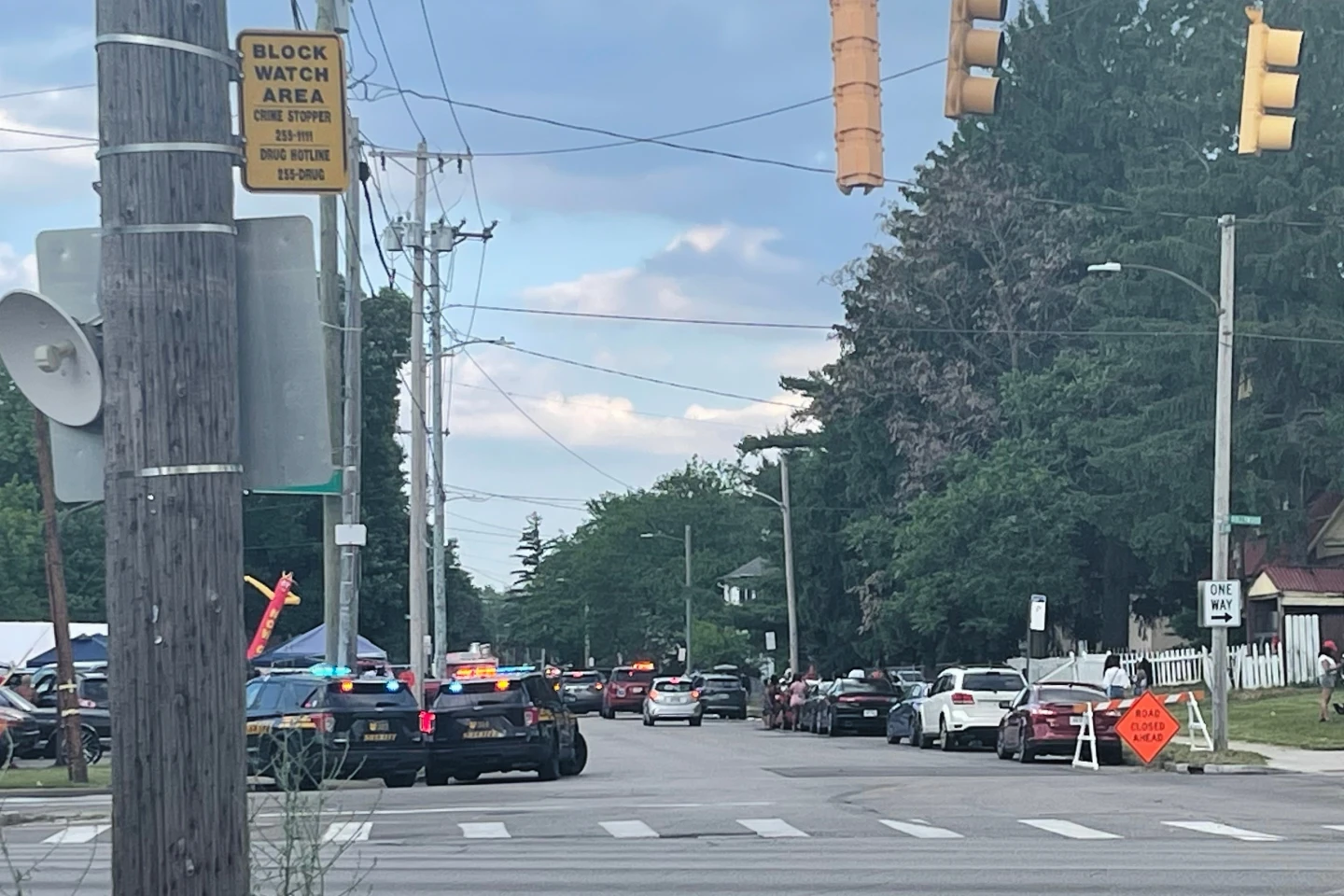
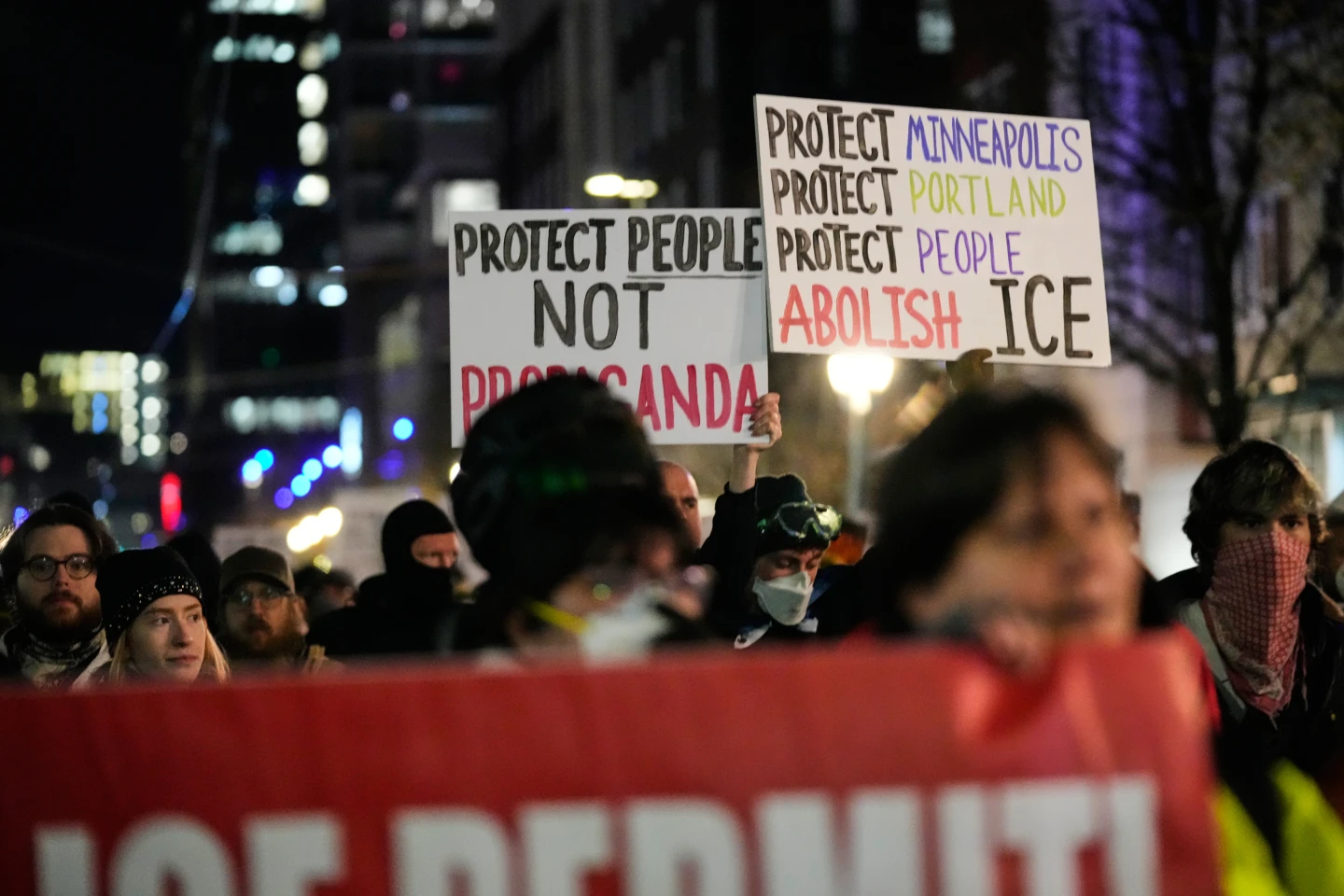
The shooting incident occurred in a medical complex parking lot, just one day after another federal agent shot and killed a driver in Minneapolis. It has since prompted protests against the aggressive tactics employed by federal agents during immigration enforcement operations.
Reports from the FBI indicate that no surveillance footage exists of the events leading to the shooting, which also left passenger Yorlenys Betzabeth Zambrano-Contreras injured. The Department of Homeland Security has stated that both individuals involved had entered the U.S. illegally and connections to the Venezuelan gang Tren de Aragua.
Portland Police Chief Bob Day confirmed that the couple had a connection to the gang, noting that they were mentioned in a July investigation of violence perpetrated by gang members, though they were not identified as suspects at that time.
Reports reveal that Zambrano-Contreras faced charges of illegal entry and had prior arrests for different offenses, while Nino-Moncada was present during a related search warrant execution concerning her case.
According to Border Patrol, the agent resorted to gunfire fearing for safety after Nino-Moncada put the pickup truck in reverse and repeatedly struck an unoccupied car rented by the agents, causing significant damage. One FBI Special Agent claimed Nino-Moncada used the vehicle as a weapon during the incident, which precipitated the agent's response.
As this case unfolds, both Nino-Moncada and Zambrano-Contreras remain embroiled in legal challenges as the broader implications of immigration enforcement continue to spark debate across the country.