From a two‑tier apartment to the corridors of power: the phone book that led us to Assad’s spy chief in hiding
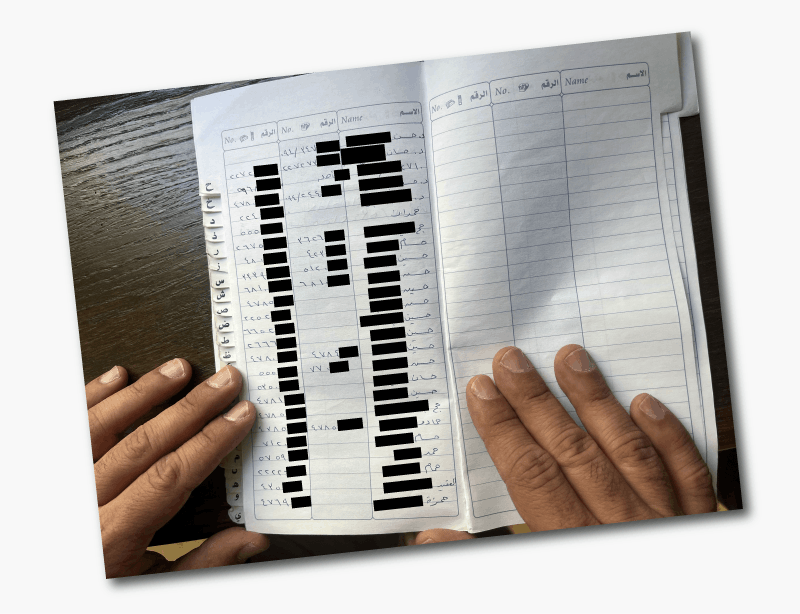
In a gleaming Damascus flat that belonged to the former Syrian regime’s top intelligence chief, journalists uncovered a redacted phone book that belonged to Hussam Luka, known as “The Spider”. The book held 155 entries and a list of numbers that, when cross‑referenced with manila folders, mapped out a web of doctors, military officers and Soviet contacts.
The discovery came when armed foremen, dressed in military fatigues, walked through the apartment’s staged living room, scattering photos of Luka before, during and after his tenure. Die‑hard evidence – gold medals, certificates and a picture of him shaking hands with former president Bashar al‑Assad – suggested a life lived in the shadows of the regime.
The phone book became a starting point for a hunt that stretched beyond Syria’s borders. Callers targeted dozens of listed numbers but most contacts hung up or denied knowing Luka. Only a guard for Luka’s block answered, revealing a former body‑guard’s number that led to a driver who claimed Luka had left an office safe in the early days of the regime’s collapse.
A brief cease was broken when journalists located a private individual based in Lebanon who, after diplomatic juggling, offered a Russian contact line. The line, which included a Russian country code, proved that Luka was in Moscow, a claim the Russian government denied. Even when listeners on the line answered questions that only Luka could know, the foreign‑politically‑charged environment made a face‑to‑face interview impossible.
Now, while the new Syrian government pushes for accountability, the presence of Luka on the Russian blacklist means extradition is unlikely. In Homs, a grieving father who lost a seven‑year‑old child at the hands of regime animus insists that “he came to stand trial”. The phone book, once a simple directory, now marks a trail of secrets that may shape the future for Syrian victims.