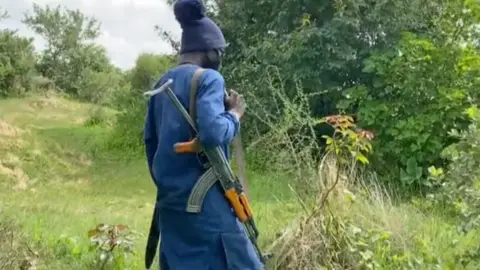
The Nigerian government claims that the recent wave of abductions in north-western and central Nigeria is primarily the work of jihadist groups including Boko Haram and the Islamic State in West Africa Province (Iswap). However, several analysts contend that these crimes are largely perpetrated by local criminal gangs referred to as 'bandits.'
This marks the first time the government has officially assigned blame for the kidnappings, although it has provided no supporting evidence. Kidnappings for ransom have become a significant enterprise in Nigeria, involving a range of actors from criminal gangs to jihadist organisations.
In just the last couple of weeks, three distinct mass kidnappings have transpired:
- 17 November: In Maga, Kebbi state, 25 individuals were taken from a government secondary school.
- 18 November: In Eruku, Kwara state, 38 were abducted from a church.
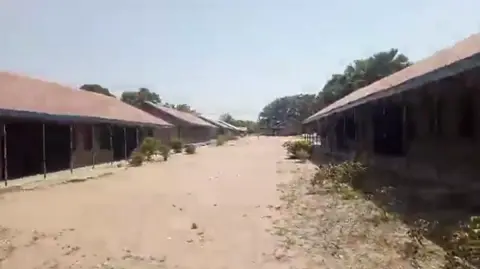
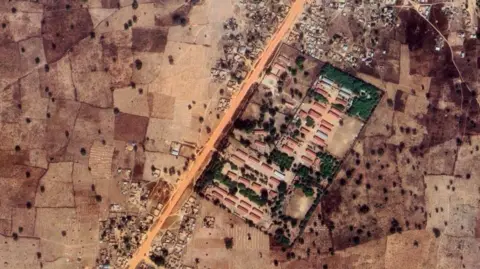
- 21 November: In Papiri, Niger state, over 250 students and staff were kidnapped from St. Mary's Catholic School.
Although the payment of ransoms is technically illegal in Nigeria, there are persistent allegations that this law is often overlooked. Presidential spokesman Sunday Dare did not clarify whether ransom payments were involved in the release of any recent kidnapping victims but emphasized that various successful negotiation processes were employed.
Claims that the jihadist groups are deeply involved in these incidents have been met with skepticism. Analyst Bulama Bukarti argues that such claims are inaccurate, noting the local nature of the banditry in the region and the geographical separation of jihadist activity. Reports suggest the majority of recent kidnappings involve armed groups operating locally, often with motives tied to political objectives and resource exploitation.
The ongoing security crisis in Nigeria has captured international attention, with wider implications for national stability as incidents of violence and intimidation impact all sectors of society.