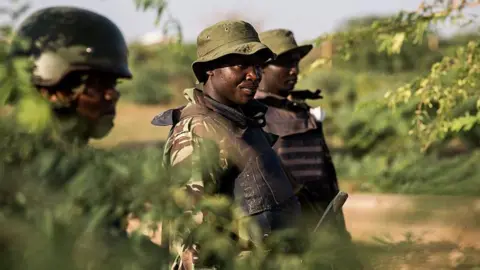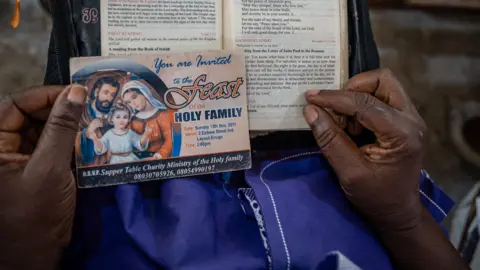
Gunmen have abducted at least 20 individuals, including a pastor and a new bride, in two separate incidents across Nigeria, shedding light on the ongoing kidnapping crisis plaguing the nation. The violence erupted as attackers stormed a church in Kogi state during a service, where they fired shots into the air, causing chaos among congregants. Several attendees, including the pastor and his wife, were forcibly taken.
The previous night, in Sokoto state, a bride preparing for her wedding day was among those kidnapped alongside bridesmaids and other attendees. This unsettling series of kidnappings is part of a broader trend, with schools and places of worship increasingly targeted.
Authorities have not definitively identified the groups responsible, although many analysts believe the kidnappings are primarily opportunistic criminal acts aiming for ransom. Some officials speculate that jihadist groups may also be involved.
While the Kogi state government has acknowledged and confirmed the attack, details regarding the specific number of victims remain inconsistent.
In Sokoto, witnesses reported that the bride's wedding was set for the next day, and her abduction along with her friends illustrates the urgent security challenges faced by rural populations in Nigeria.
Despite a ban on ransom payments instituted by officials, there are prevalent beliefs that such negotiations continue, complicating the local security landscape. The occurrence of recent violent acts has rekindled discussions on enhancing protection mechanisms for vulnerable communities, particularly in the face of rising threats to both education and religious gatherings.
This wave of violence comes amid rising international concern, as evidenced by comments from global leaders regarding the protection of religious adherents in Nigeria.
The previous night, in Sokoto state, a bride preparing for her wedding day was among those kidnapped alongside bridesmaids and other attendees. This unsettling series of kidnappings is part of a broader trend, with schools and places of worship increasingly targeted.
Authorities have not definitively identified the groups responsible, although many analysts believe the kidnappings are primarily opportunistic criminal acts aiming for ransom. Some officials speculate that jihadist groups may also be involved.
While the Kogi state government has acknowledged and confirmed the attack, details regarding the specific number of victims remain inconsistent.
In Sokoto, witnesses reported that the bride's wedding was set for the next day, and her abduction along with her friends illustrates the urgent security challenges faced by rural populations in Nigeria.
Despite a ban on ransom payments instituted by officials, there are prevalent beliefs that such negotiations continue, complicating the local security landscape. The occurrence of recent violent acts has rekindled discussions on enhancing protection mechanisms for vulnerable communities, particularly in the face of rising threats to both education and religious gatherings.
This wave of violence comes amid rising international concern, as evidenced by comments from global leaders regarding the protection of religious adherents in Nigeria.