Nigeria is currently grappling with a spate of mass abductions. But the vast country - bigger than France and Germany combined - also faces many other security challenges.
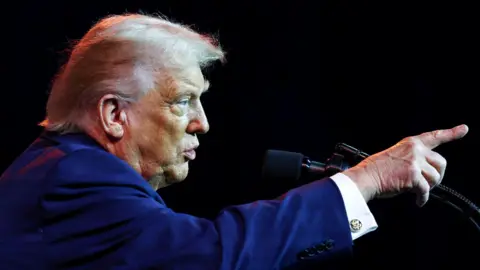
Recent attempts by US President Donald Trump and his supporters to frame the insecurity purely as the persecution of Christians overlooks the complexity of Africa's most populous nation.
There are more than 250 ethnic groups in Nigeria, which is roughly divided into a mainly Muslim north, a largely Christian south, with intermingling in the middle - and the government says people of all faiths have been victims of attacks.
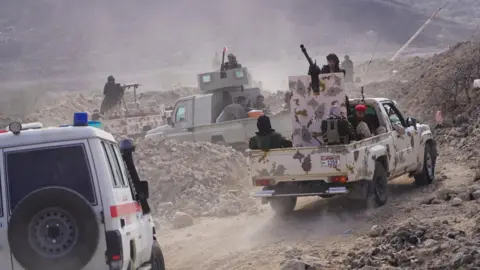
There are criminal gangs in the north-west, an Islamist insurgency in the north-east, clashes over land in central regions and separatist unrest in the south-east - leaving the 400,000-strong army and the police force of 370,000 officers overstretched.
Here's a breakdown of the main armed groups and flashpoints:
'Bandits' - kidnap gangs
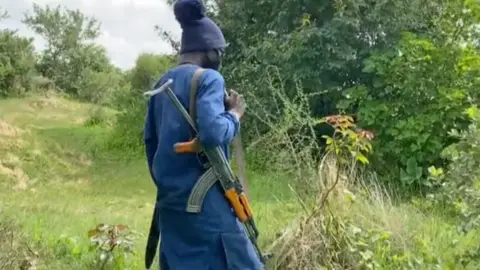
These criminal gangs, known locally as bandits, are largely composed of people from the Fulani ethnic group, who traditionally make their living by raising animals. They have traded their pastoral tools for assault rifles, which have flooded Nigeria - and other states in the region - since Libya descended into anarchy following the overthrow in 2011 of long-time strongman Muammar Gaddafi by NATO-backed forces.
The gangs are not known to be motivated by any religious or political ideology, but see kidnapping people for ransom as a quick way to make money rather than walking for miles with their livestock in search of water and grazing land.
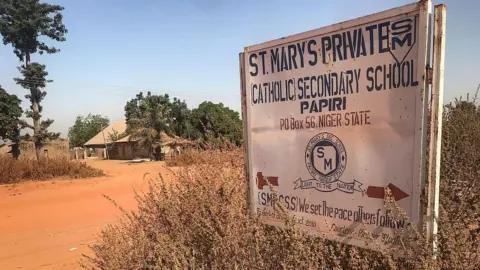
They typically move in large numbers on motorcycles, which makes them highly mobile and allows them to strike quickly and escape before the security forces can respond - a tactic used during recent school abductions. There is no centrally organised leadership - each gang, often drawn from one family or a specific community, tends to be loyal to its own leader.
Boko Haram - jihadist group
This Islamist militant group became infamous around the world in 2014 for kidnapping more than 200 schoolgirls from the village of Chibok - around 90 of whom remain missing. Its insurgency was triggered by the killing of its founder in police custody and has resulted in thousands being taken into captivity.
ISWAP - Boko Haram splinter group
This group emerged in response to Boko Haram's indiscriminate violence against Muslim civilians. They focus on military and government targets while having been in conflict with Boko Haram.
Ansaru - Boko Haram splinter group
This group has moved operations away from the northeast and has participated in multiple high-profile kidnappings and attacks.
Herders vs Farmers
This long-running conflict over grazing rights primarily pits Muslim herders against Christian farmers, causing widespread violence and displacement.
Ipob - separatist group
The Indigenous People of Biafra advocate for an independent state for the Igbo people. Their activities have led to significant unrest and economic hardship.