In brief
Across the U.S., proposals for new data centers are facing stiff opposition from communities concerned about their environmental impact and potential harm to quality of life. With examples from states like Indiana and Minnesota, this article discusses how developers are struggling to win the support of local residents despite potential economic benefits. The article highlights the challenges faced by tech giants like Microsoft and Amazon amid rising protests and the call for more community engagement.
SPRING CITY, Pa. (AP) — As tech companies and developers plan to invest billions into increasingly larger data centers to fuel artificial intelligence and cloud computing, they are encountering significant opposition from communities reluctant to host them.
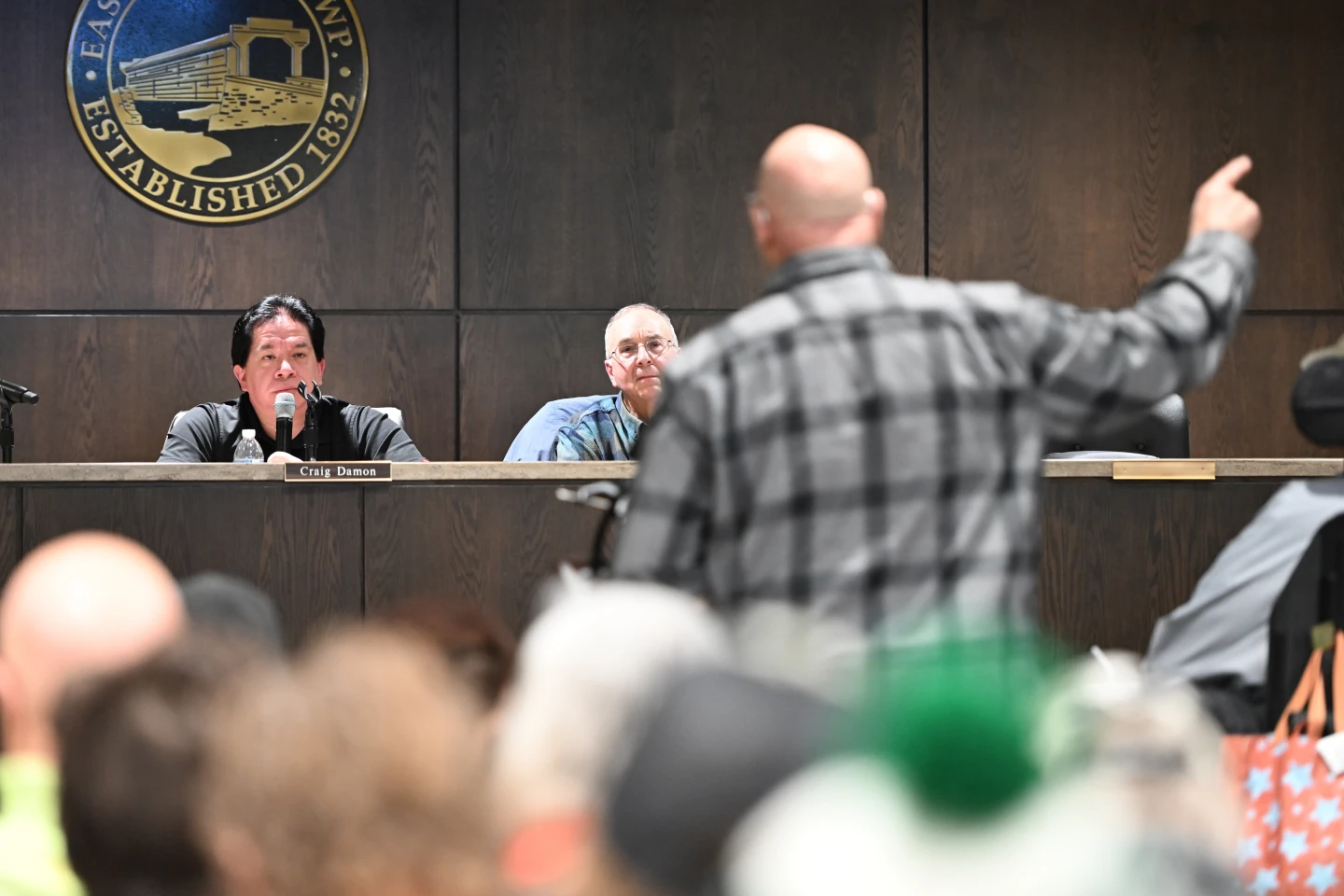
Across the United States, municipalities are learning from one another's clashes over data center proposals, which are growing in size and number due to the escalating demand for faster power connections. Local governments are grappling with zoning laws that may not be equipped to handle these energy- and water-intensive developments. This has led to heated municipal board meetings filled with concerned residents voicing their objections.
“Would you want this built in your backyard?” Larry Shank questioned local supervisors in Pennsylvania’s East Vincent Township, echoing sentiments from many who oppose these projects.
Opposition Dominates Local Sentiment
The increasing number of failed data center proposals has raised alarms within the tech industry. Andy Cvengros, leading the data center practice at JLL, reported a surge in vocal local opposition, with grassroots campaigns sprouting to resist projects. In just a few months, Data Center Watch documented 20 proposals worth $98 billion blocked due to local pushback.
Environmental and consumer advocacy organizations are receiving numerous inquiries from communities seeking assistance in defending their rights against aggressive data center expansions. Bryce Gustafson from Citizens Action Coalition remarked on at least a dozen projects that faced rejection in Indiana alone.
Common Concerns Across Communities
Community outrage stems from concerns about soaring electricity costs, loss of green spaces, and the detrimental impact on local property values and health. The ongoing environmental and legal battles are seeing claims and counterclaims about regulatory compliance from both residents and developers.
Tech giants, including Microsoft and Amazon, despite spending hundreds of billions on data centers globally, have not commented on local resistance presently. Microsoft admitted in a securities filing that community opposition could hinder infrastructure development.
Engagement and Resistance in Local Politics
Despite receiving backing from local officials, developers are finding it hard to win over residents. Projects have been withdrawn under anticipated community opposition, such as a data center in Matthews, North Carolina, that faced overwhelming disapproval. Local citizens have mobilized via social media to organize protests and express their concerns.
Rebecca Gramdorf, whose vegetable farm might be jeopardized by a large data center development, expressed her determination to fight against what she perceives as a threat to her lifestyle and community.
As the battle continues, the industry is recognizing the need for improved public engagement and proactive measures to ally with community interests to mitigate the backlash against their projects.