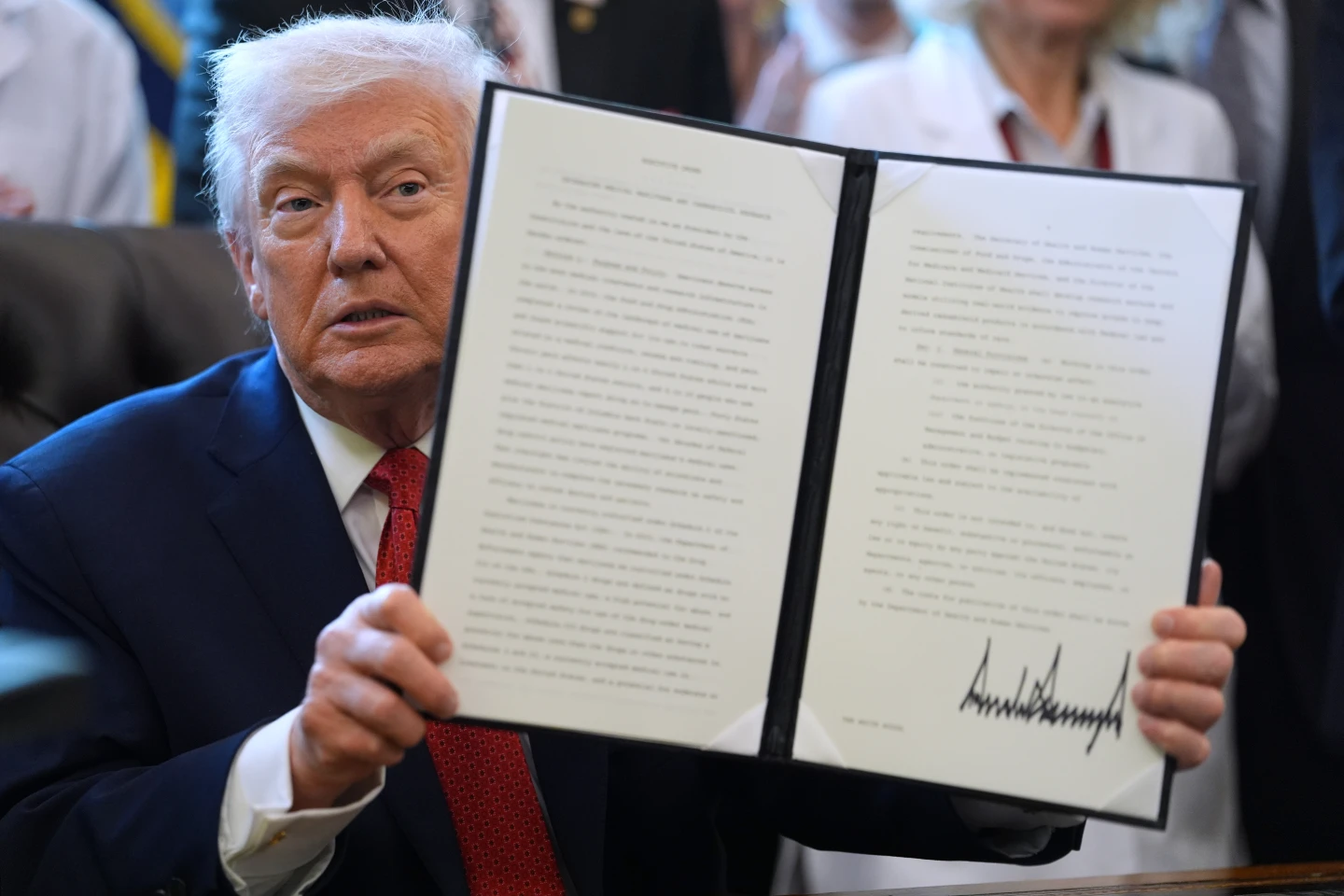
On March 24, 2026, Governor Greg Gianforte signed into law Senate Bill 437, establishing a binary definition of sex based solely on reproductive anatomy. This bill amends crucial sections of Montana law to include stringent definitions for male, female, sex, and gender.
The legislation closely resembles a prior bill introduced in 2023 that was declared unconstitutional on two occasions, most notably for vagueness and any violations against the equal protections clause of the Montana Constitution. SB 437 diverges from its predecessor by omitting references to chromosomal sex markers, instead categorizing individuals strictly by primary sexual anatomy.
Key Changes Under the New Law
The law outlines that a female is defined as someone who has, or would have had, a reproductive system utilizing ova for fertilization, while a male is defined inversely. Furthermore, the new definitions extend to the terms man, woman, father, and mother. Importantly, the legislation mandates that any mention of gender in Montana law align with the terms established for sex, dismissing any associations with gender identity.
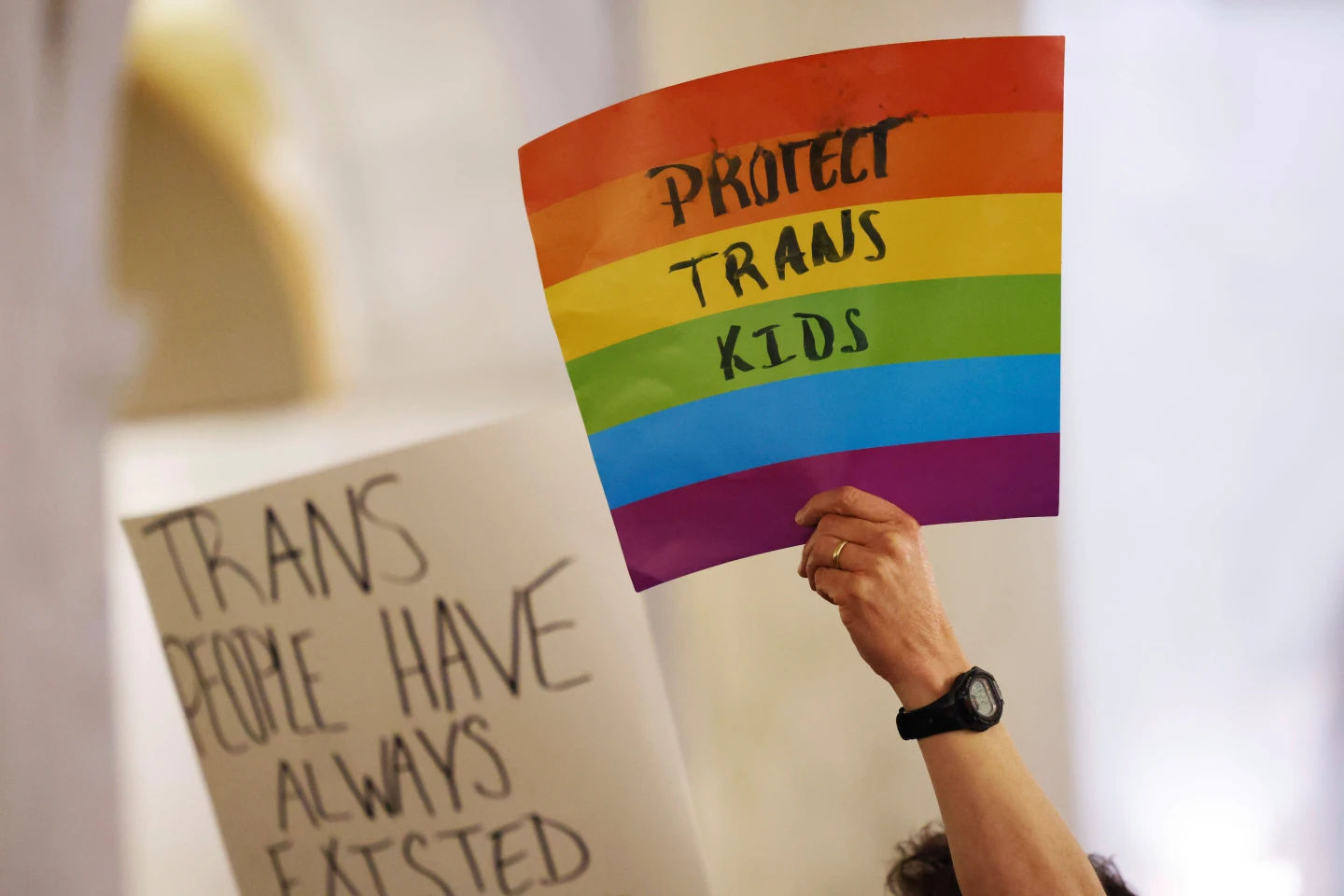
This sweeping legislation will influence various legal domains, including marriage licenses, driver’s licenses, and anti-discrimination protections. Critics argue that it disenfranchises transgender, nonbinary, and intersex individuals, demanding that they either misidentify themselves or disclose personal information.
Support and Opposition
The bill was passed predominantly along party lines, with most Republicans in support and Democrats opposing it. Supporters, like its sponsor, Senator Carl Glimm, argue that these definitions provide necessary clarity in law. Detractors, including representatives from the LGBTQ+ community in Montana, assert that it contributes to systemic discrimination against marginalized groups and could lead to potential dangers for those requiring consistent legal recognition of their gender identity.
Looking Forward
This law is anticipated to face legal challenges, particularly from advocacy groups who argue it infringes upon the constitutional rights of Montanans. As litigation unfolds, the conversation around gender identity and legal recognition continues to provoke widespread societal debate.