The state of Montana is embroiled in a contentious investigation focusing on its capital city, Helena. The Department of Justice has threatened legal action against the city, which has taken a staunch position against federal immigration cooperation.
Recent developments come after Attorney General Austin Knudsen openly accused Helena of violating a state law that restricts cities from serving as sanctuaries for undocumented immigrants. The city of Helena does not make state law, Knudsen asserted during a press conference, emphasizing that the city council's recent resolution—stating non-cooperation with federal immigration agents—directly defies the legislature's authority.
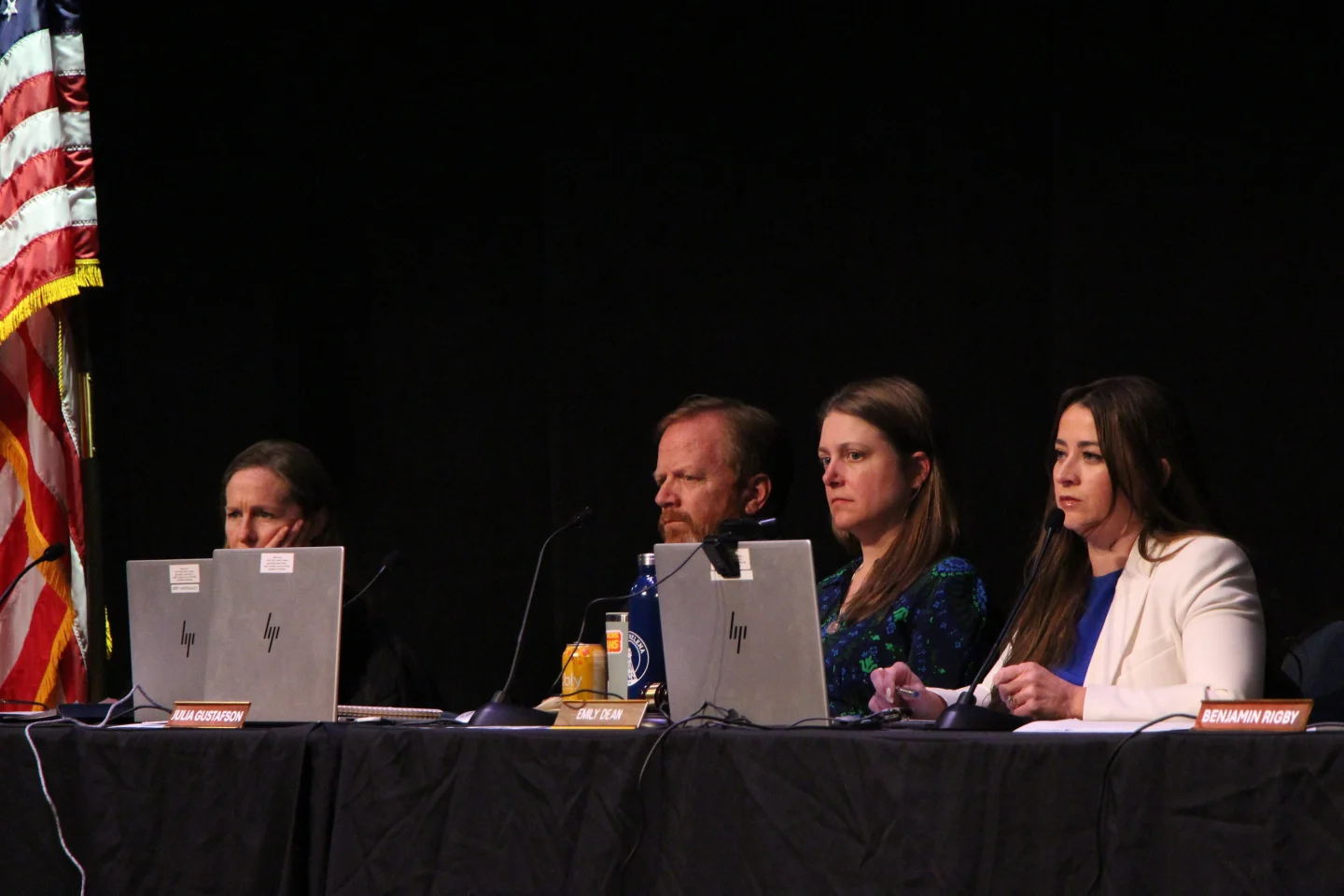
This situation has prompted local officials to reconsider their stances, with Helena Mayor Emily Dean inviting the attorney general for discussions. A meeting is scheduled on March 26 to explore possible amendments to the city’s resolution amid rising public concern.
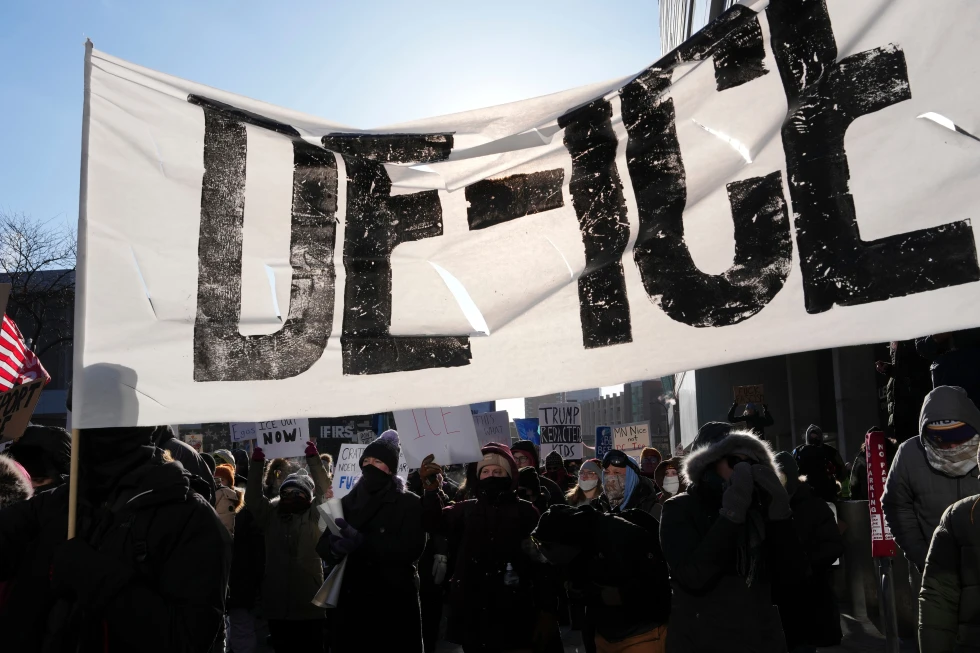
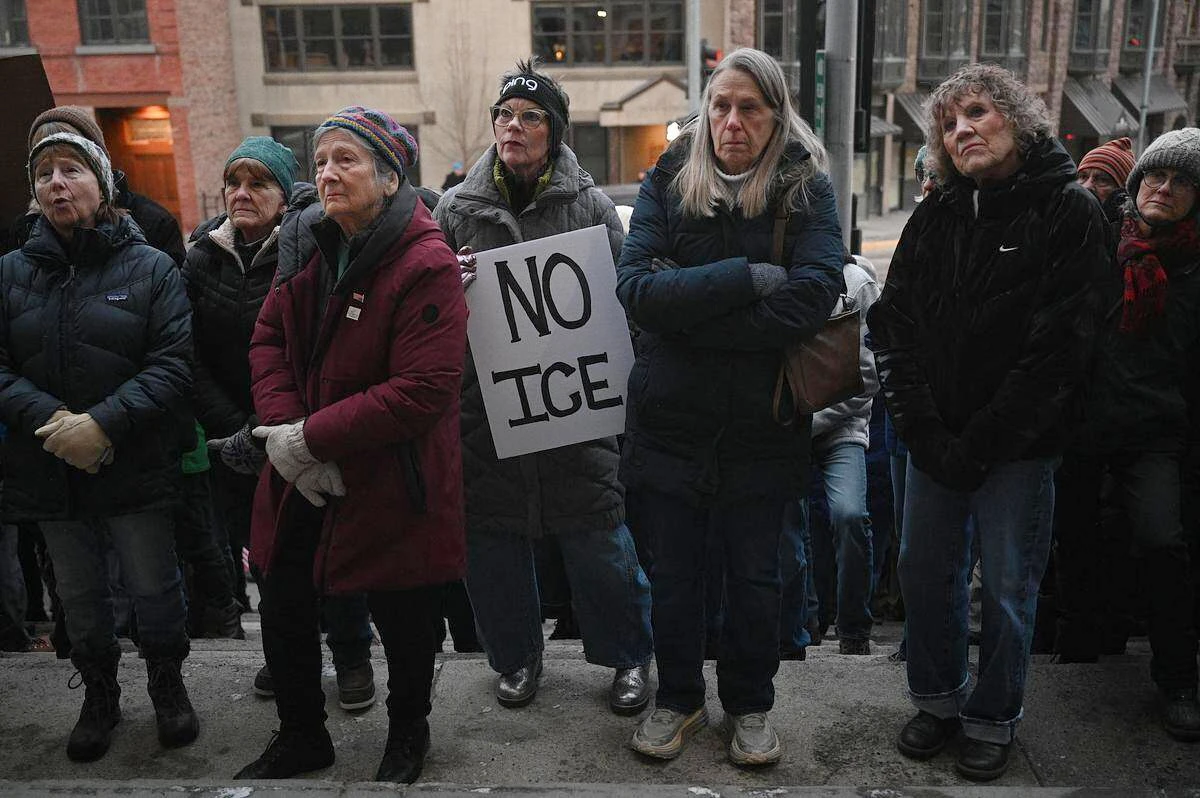
Political tensions are evident, as Helena stands at the forefront of a broader conflict regarding local governance versus state control. Activists argue that this case represents a critical stance for cities in Montana to establish their priorities and values, particularly regarding the treatment of undocumented immigrants.
Only about 2% of Montana's residents are foreign-born, but the state's political landscape remains sharply divided on immigration policy. Helena’s situation is emblematic of a nationwide trend where local jurisdictions clash with federal and state governments over immigration enforcement tactics.
As the city grapples with the investigation and demands for accountability from both proponents and opponents of the resolution, the outcome of this conflict may set a precedent for similar debates across Montana and beyond.