A transgender employee of the National Security Agency is suing the Trump administration and seeking to block enforcement of a presidential executive order and other policies the employee says violate federal civil rights law.
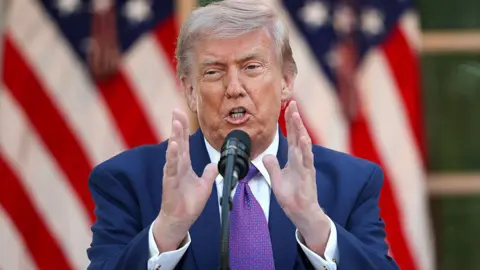
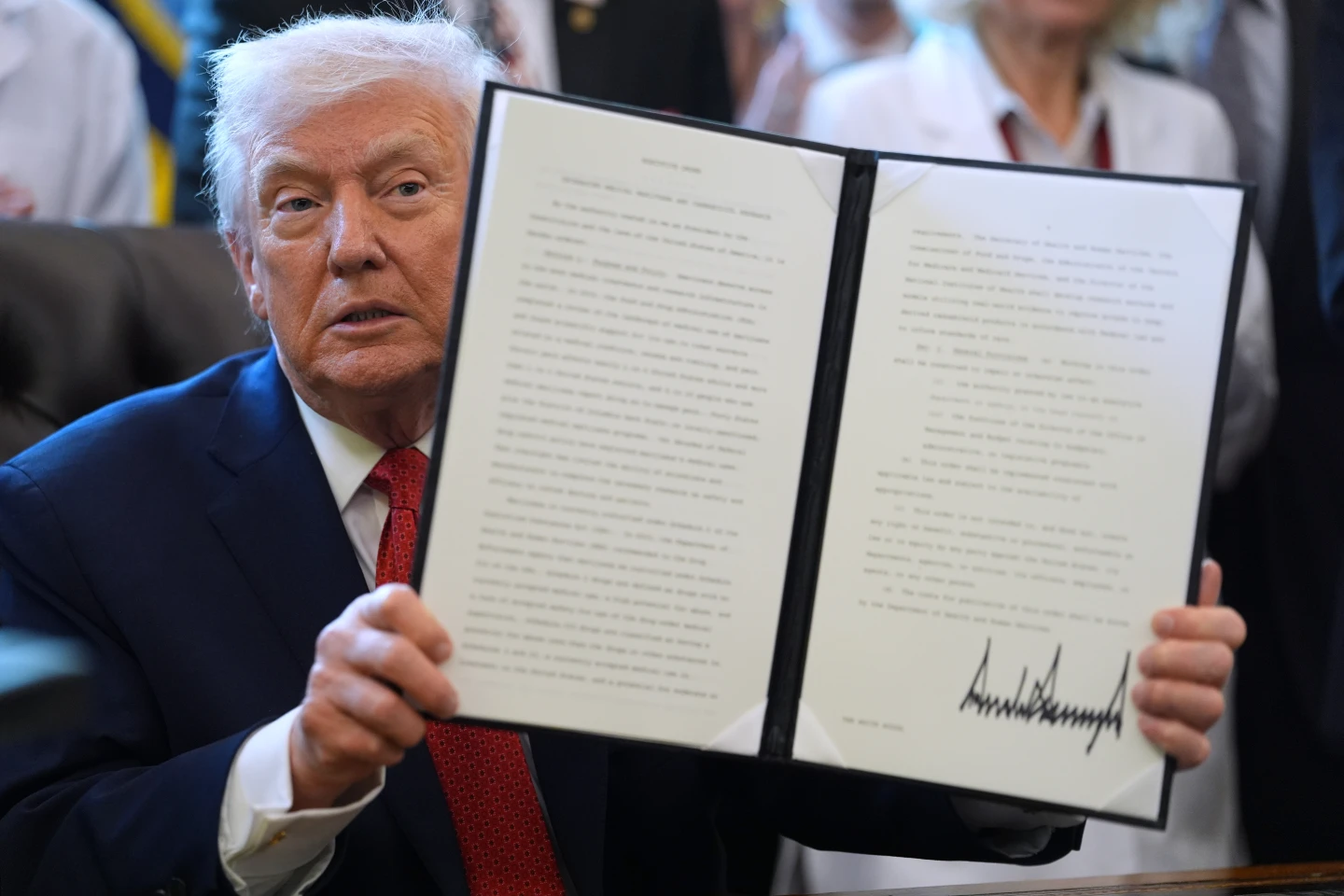
Sarah O’Neill, an NSA data scientist who is transgender, is challenging President Donald Trump’s Inauguration Day executive order that required the federal government, in all operations and printed materials, to recognize only two “immutable” sexes: male and female.
According to the lawsuit filed Monday in a U.S. District Court in Maryland, Trump’s order “declares that it is the policy of the United States government to deny Ms. O’Neill’s very existence.”
The White House did not immediately respond to a request for comment.
The order reflected Trump’s 2024 campaign rhetoric, prompting policies that O’Neill is now contesting.
Since Trump’s initial executive action, O’Neill asserts the NSA has cancelled its policy recognizing her transgender identity and her right to a workplace free of unlawful harassment, while prohibiting her from identifying her pronouns as female in written communications and barring her from using the women’s restroom at work.
O’Neill contends those policies and the orders behind them create a hostile work environment and violate Section VII of the Civil Rights Act. The U.S. Supreme Court ruled in 2020 that Section VII’s prohibition on discrimination based on sex included gender identity.
“We agree that homosexuality and transgender status are distinct concepts from sex,” the court’s majority opinion stated. “But discrimination based on homosexuality or transgender status necessarily entails discrimination based on sex; the first cannot happen without the second.”
O’Neill’s lawsuit asserted, “The Executive Order rejects the existence of gender identity altogether, let alone the possibility that someone’s gender identity can differ from their sex, which it characterizes as ‘gender ideology.’”
In addition to restoring her workplace rights and protections, O’Neill seeks financial damages. Trump’s order was part of numerous executive actions he enacted shortly after taking office, which have continued to spur legal challenges through the federal judiciary.