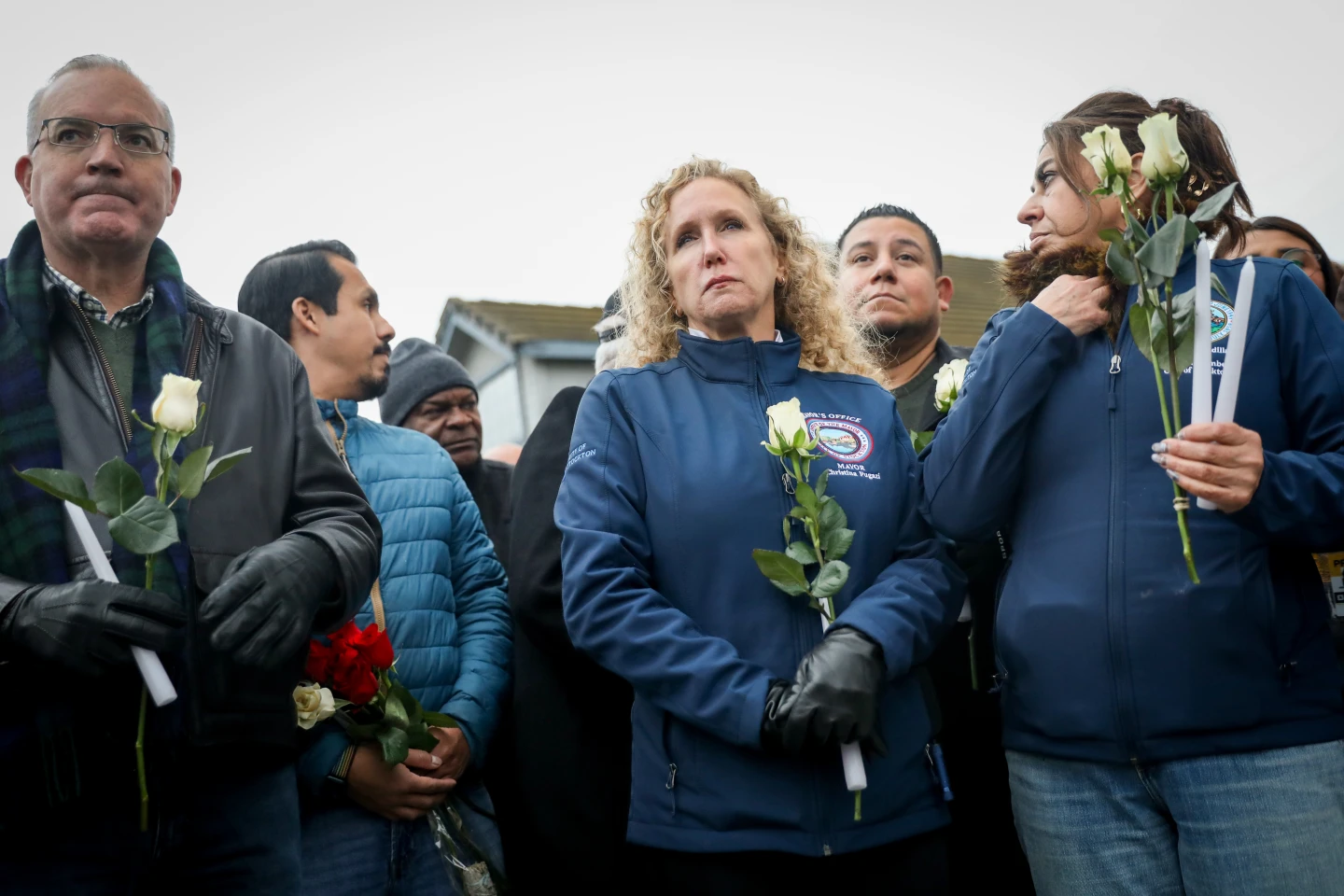
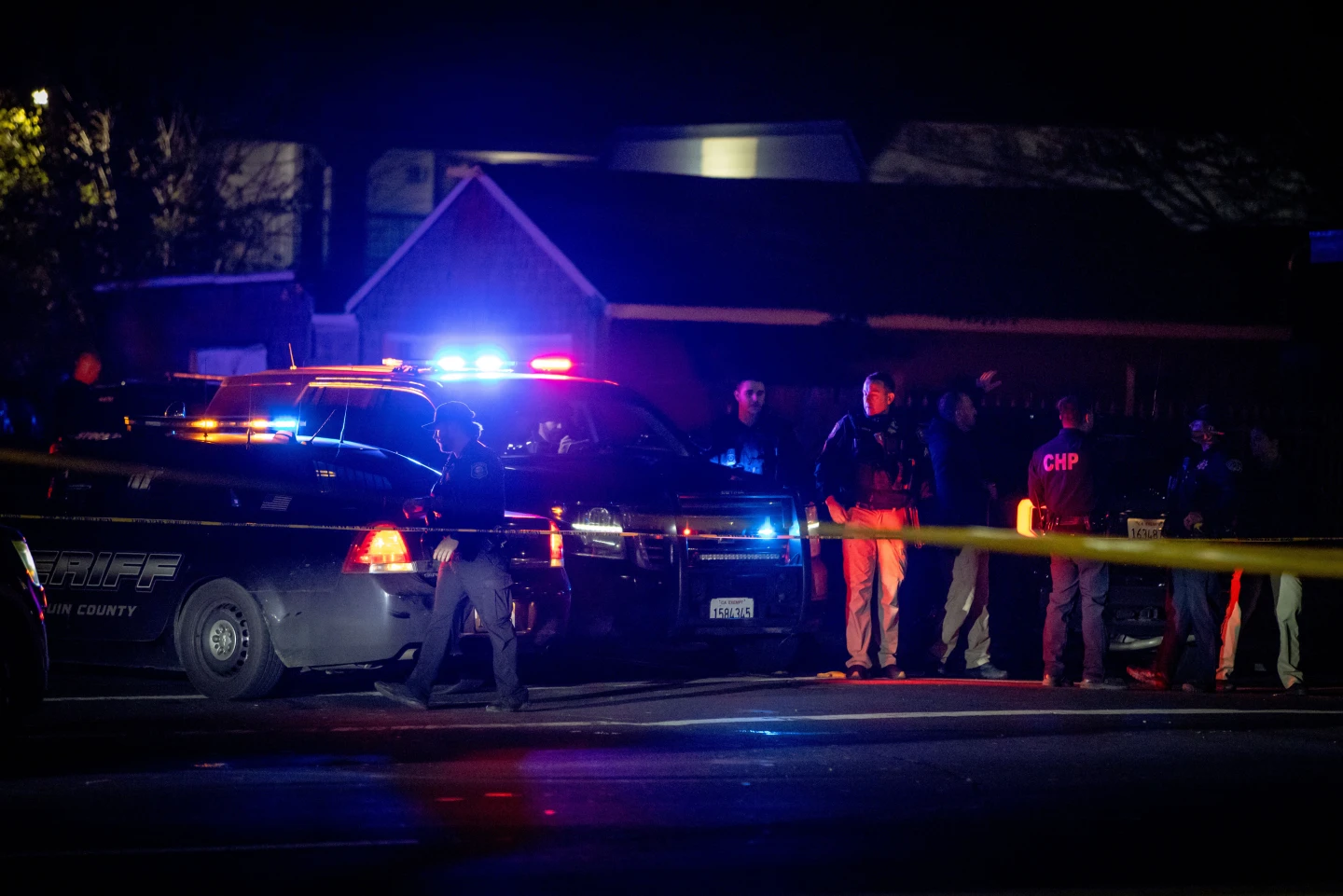
A shooting last weekend at a children’s birthday party in California that left four dead was the 17th mass killing this year — the lowest number recorded since 2006, according to a database maintained by The Associated Press and USA Today in partnership with Northeastern University.
Experts warn that such a decrease does not necessarily equate to safer days ahead, pointing out that it could represent a return to historical average levels. Criminologist James Alan Fox explains, “Sir Isaac Newton never studied crime, but he says ‘What goes up must come down.’ The current drop in numbers suggests a regression to the mean after an unusual spike in mass killings in recent years.”
In fact, mass killings were down about 24% this year compared to the previous year. Despite this positive trend, experts like Fox remain cautious and predict potential increases in the future.
James Densley, a professor of criminal justice, emphasizes the volatility of mass killing statistics, asserting that even a small variance in numbers could skew perceptions dramatically. “More states are investing in school threat assessments and other preventive measures, which may play a role in this year’s decline,” he noted.
However, he and others in the field clarify that improvements in emergency responses after mass shootings may also contribute to fewer fatalities.
Ultimately, while 2025 may seem statistically favorable regarding mass killings, these violent events remain a complex issue influenced by numerous factors, and the risk of spikes should not be underestimated.