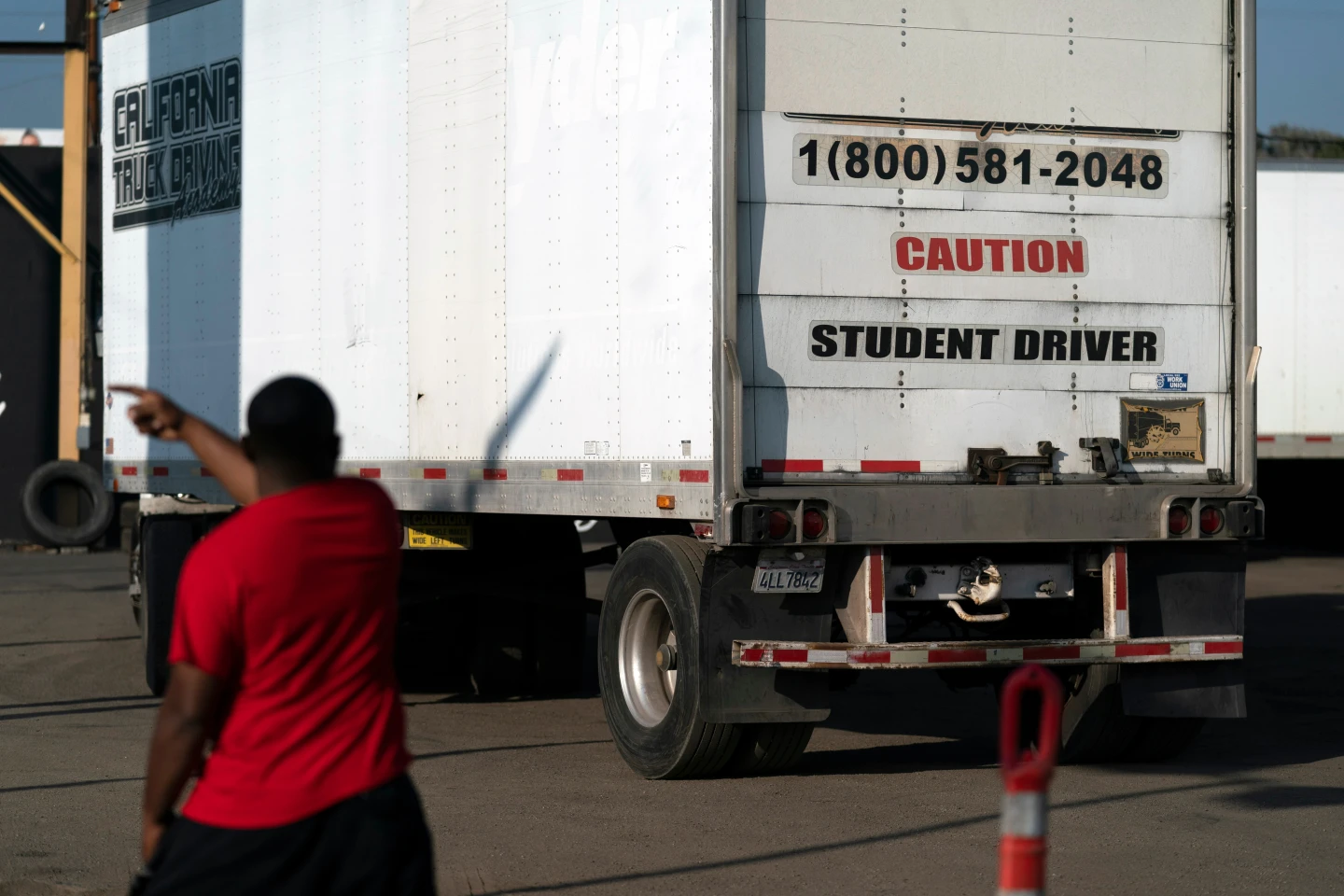
The Trump administration’s latest move to enforce standards for commercial truck drivers, by flagging nearly half of the driving schools as noncompliant, doesn’t figure to disrupt the industry, experts say. But the heavy scrutiny on immigrant drivers might.
The bigger, more reputable schools were not included in the list and many of the schools that were appear to have already been idle, leading trucking industry officials to predict minimal turmoil. The self-certification process that has been in place since 2022 allowed questionable schools to gain recognition. Plus, these efforts to enforce training standards — and the previous moves to strengthen licensing particularly for immigrants — will take effect gradually over time as licenses come up for renewal and new drivers graduate from schools.
The fact that there are probably more drivers than needed right now in the midst of a 10% drop in shipments since 2022 because of the economic uncertainty also helps, although trucking companies still struggle to find enough well-qualified drivers with clean records.
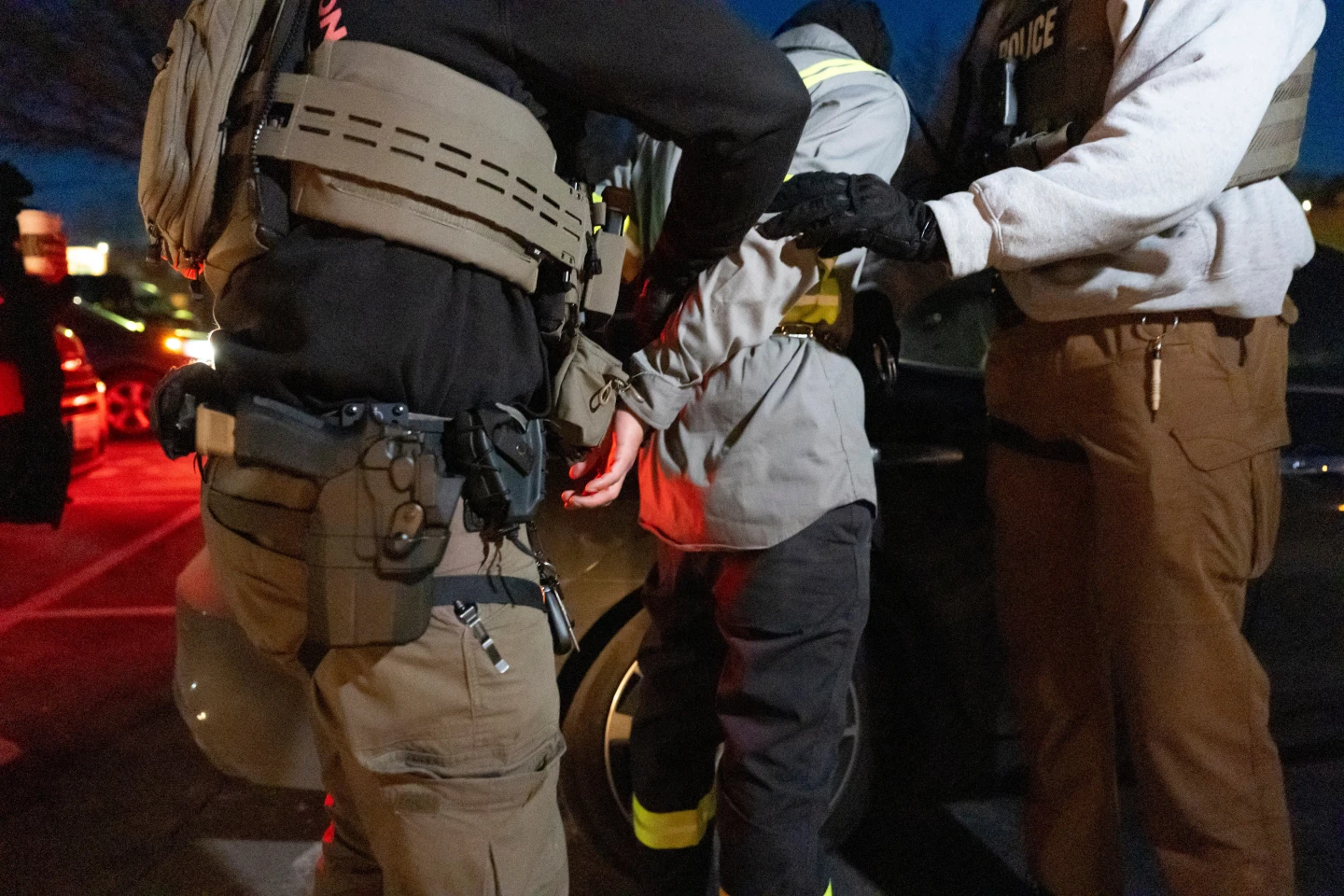
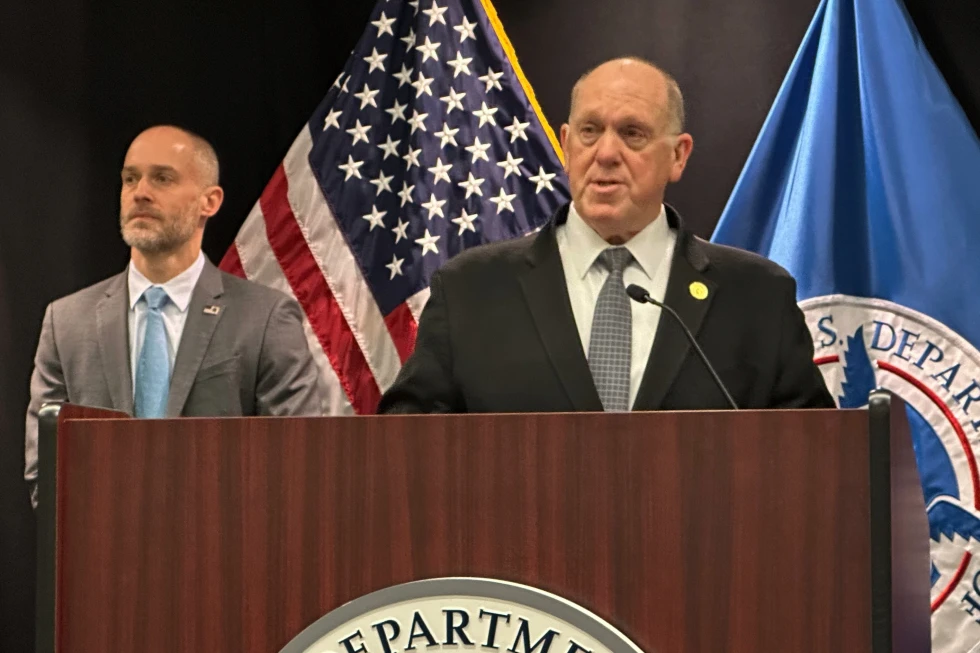
Even before a truck driver that Transportation Secretary Sean Duffy says was not authorized to be in the U.S. made an illegal U-turn and caused a crash in Florida that killed three people, the administration focused on making sure truck drivers meet English proficiency standards. The focus on immigrant drivers has intensified after that August crash as the Transportation Department audited commercial driver’s license programs.
Meanwhile, a court put the new rules on hold. But Duffy threatened to withhold millions from California,Pennsylvania and Minnesota after the audits found significant issues, leading California to revoke 17,000 licenses.
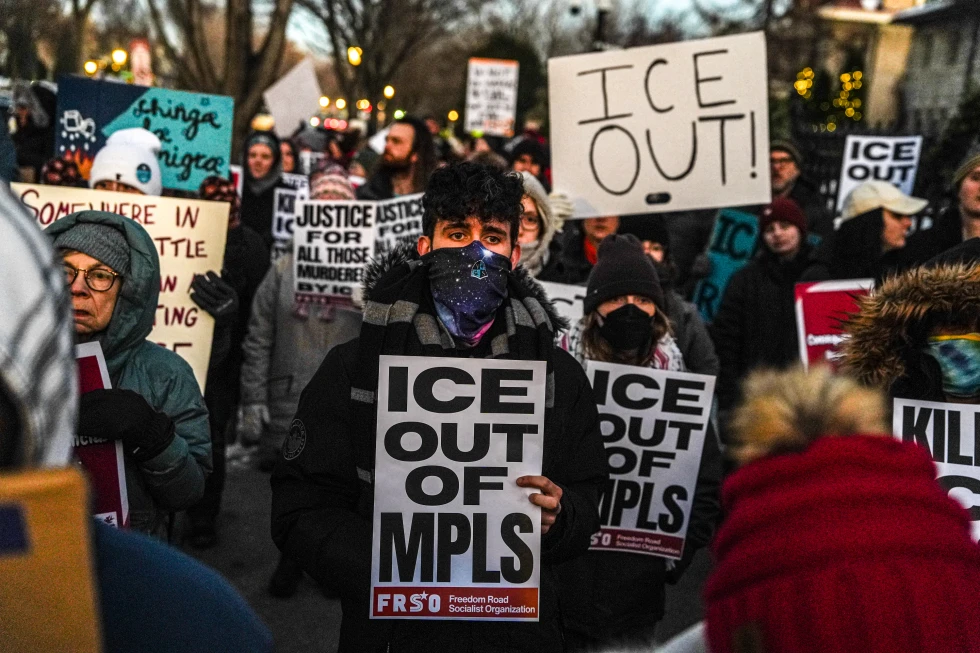
Some trucking company owners have reported fear among immigrant drivers due to increased scrutiny. Many drivers at Diamond Transportation in California are “just afraid to go to some of these other states where they might get harassed,” according to owner Dave Atwal. He has also lost more than 40 drivers who are unable to renew their licenses despite having years of safe driving records.
Logan Cooper, another industry professional, expressed that while the changes can be absorbed, they will likely have a transition period over time. Current estimates suggest that only about 5% to 10% of the workforce might be impacted gradually by the enforcement of stricter standards, which ultimately aim to enhance safety on the roads.
Furthermore, while some schools might face closure due to non-compliance, the majority of reputable programs can continue operating without issue, raising concerns about potential waiting lists for prospective new drivers.
As new regulations are enforced, trucking schools may face challenges, which could make it tougher to attract new talent amidst ongoing economic pressures and fears amongst immigrant drivers.