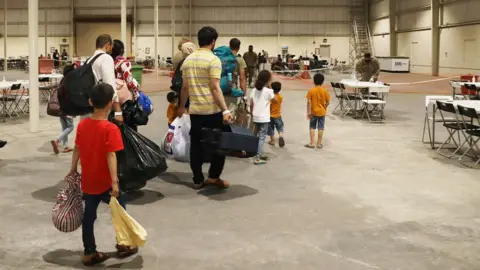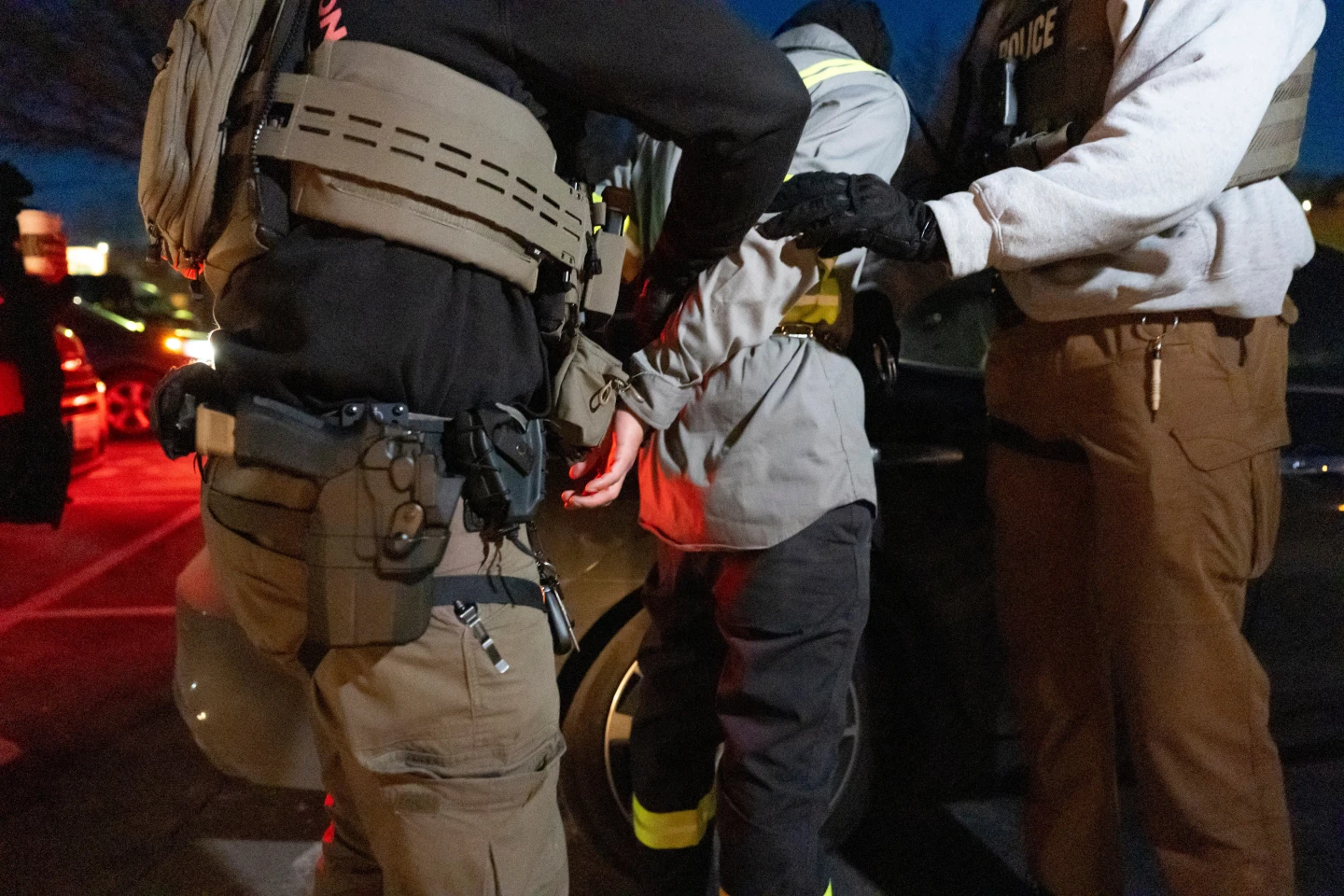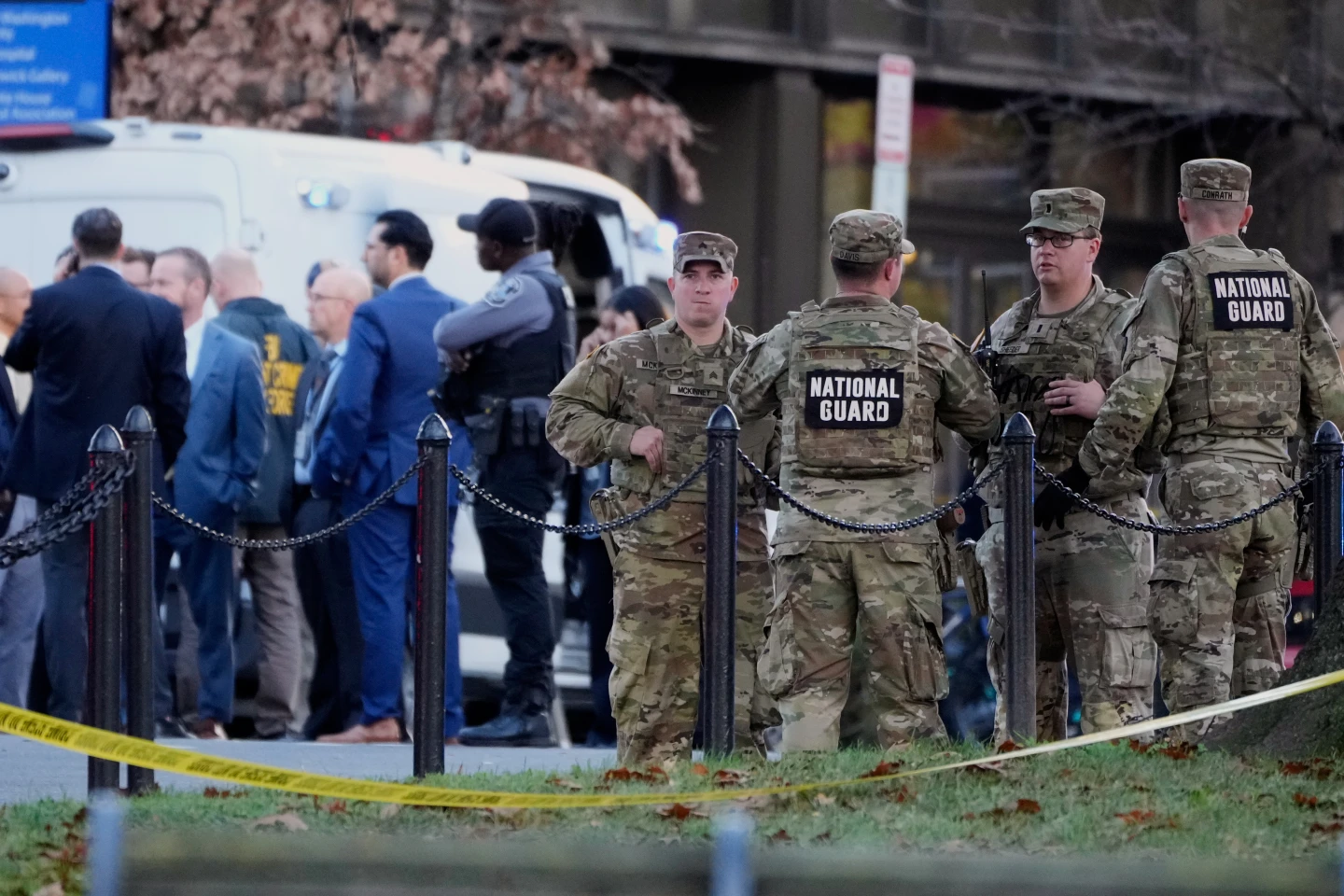
The man charged with shooting at two National Guard members in Washington, identified as Rahmanullah Lakanwal, is one of the approximately 76,000 Afghans brought to the United States following the chaotic evacuation last year due to the Taliban's takeover. Lakanwal's arrival was made possible through Operation Allies Welcome, instituted after the U.S. withdrawal from Afghanistan.
Democratic President Joe Biden has emphasized the U.S. obligation to protect those who aided American forces. Conversely, critics including former President Donald Trump argue that the vetting process for these refugees was inadequate. Trump and several Republican leaders have expressed concerns, viewing the incident as a manifestation of the administration's failure to secure proper vetting protocols.
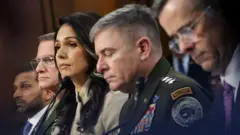
CIA Director John Ratcliffe condemned the actions of Lakanwal, asserting that such individuals should not have been permitted entry, underscoring a breach of trust with both citizens and military personnel. Lakanwal, who purportedly collaborated with the CIA in Kandahar, presents a troubling case in the backdrop of widespread calls for tougher immigration measures.
While some organizations working to resettle Afghan refugees, such as #AfghanEvac, argue that the actions of one should not tarnish the reputation of the countless others seeking asylum and integrating into U.S. society, the rhetoric from political figures is intensifying as new incidents arise. It is notable that under the Trump administration, resettlement programs faced significant changes, making it more challenging for agencies to support arriving refugees.
As communities in the U.S. welcome those fleeing persecution, incidents such as this compel deeper conversations surrounding national security, immigration policies, and the processes by which people are vetted for asylum and refugee status—a delicate balance of compassion and caution amidst a complex geopolitical landscape.