In brief
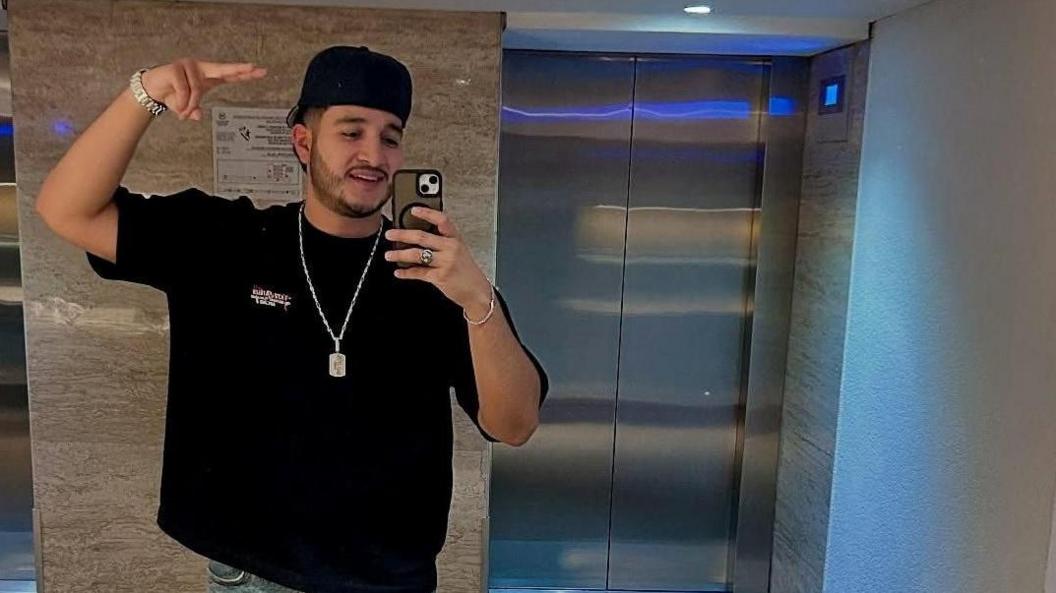
In a shocking incident, Mexican livestreamer César Gastélum was shot dead on camera in Culiacán, Sinaloa. The killing raises questions about the growing entanglement between social‑media creators and organized crime in a state ruled by cartel violence. While authorities deny direct ties, critics point out how influencers’ flaunting of luxury and “narco‑culture” content can backfire. President Claudia Sheinbaum vows to crack down on those who orchestrate such violence, signalling an intensified campaign to separate pop culture from criminal enterprises.
On a hot afternoon in Culiacán, Mexican livestreamer César Gastélum had just reached the finish line of a rapid challenge when his feed captured a close‑up of a sudden gunshot. Two men on a motorbike burst into the enclosure, one pulling a handgun and firing a single, fatal shot to his head before leaving the scene.
The incident has thrust the dangerous nexus between social media visibility and cartel politics back into the spotlight. While Gastélum reportedly had no known threats or police investigations, his posts – featuring high‑end cars, lavish parties, and celebrity meet‑and‑greets – fit a pattern some analysts label as “narco‑influencer” content.
Researchers say the Sinaloa cartel operates like a multinational business, leveraging public figures to promote its brand. When rival factions target one side for perceived propaganda, the other side’s allies and allies’ associates can become targets, sometimes on live video.
Government officials, including President Claudia Sheinbaum, have announced a sweeping strategy to confront those who murder or order the murder of influencers. She stresses a crackdown on narcocorridos and a reduction of cartel propaganda in everyday life. Despite a reported 48% drop in murders in 2025, incidents such as Gastélum’s demonstrate a persistent link between cartel violence and the digital realm.